Skip to content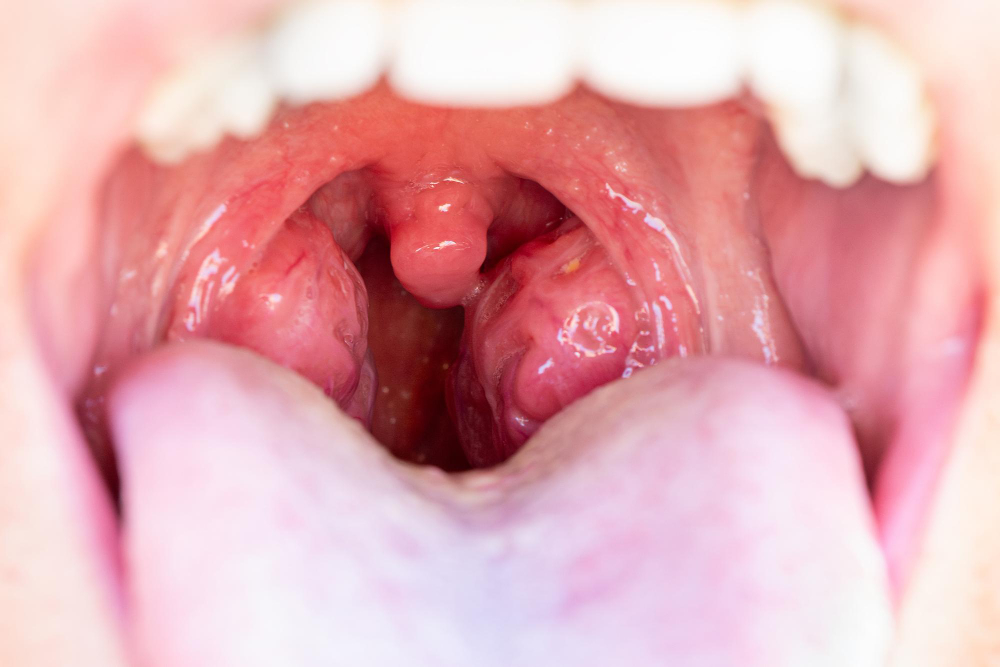
क्या आपके मुँह में कोई छाला है जो कई हफ्तों से ठीक नहीं हो रहा? या गाल के अंदर सफेद-लाल धब्बा दिख रहा है? या मुँह पहले जितना नहीं खुलता?
ऐसी छोटी-छोटी बातें अक्सर लोग टाल देते हैं। लेकिन कई बार यही मुँह के कैंसर की पहली आहट होती है।
अच्छी बात यह है कि मुँह का कैंसर उन गिनी-चुनी बीमारियों में से है जिसे आप ख़ुद आईने में देख सकते हैं। और अगर शुरुआत में ही पकड़ लिया जाए, तो यह पूरी तरह ठीक हो सकता है।
इस लेख में हम आसान भाषा में बताएँगे कि क्या देखना है, कब डरना है, कब नहीं, और कब डॉक्टर के पास जाना है।
| सबसे ज़रूरी एक बात मुँह का कोई भी छाला, घाव, धब्बा या गांठ जो 3 हफ्ते (21 दिन) में अपने आप ठीक न हो — उसे डॉक्टर को ज़रूर दिखाएँ। दर्द न होने का मतलब यह नहीं कि सब ठीक है। शुरुआती मुँह का कैंसर ज़्यादातर दर्द नहीं करता। |
मुँह का कैंसर क्या होता है?
हमारा शरीर लाखों छोटी-छोटी कोशिकाओं से बना है। ये पुरानी होकर मरती हैं और नई बनती हैं — यह एक सामान्य प्रक्रिया है।
कभी-कभी मुँह के अंदर की कुछ कोशिकाएँ बेकाबू होकर बढ़ने लगती हैं और एक गांठ या घाव बना देती हैं। इसी को मुँह का कैंसर कहते हैं। अंग्रेज़ी में इसे ओरल कैंसर (Oral Cancer) कहा जाता है।
यह मुँह के किन हिस्सों में हो सकता है?
- जीभ पर या जीभ के किनारों पर
- गाल के अंदर की तरफ — जहाँ लोग गुटखा या खैनी दबाकर रखते हैं
- होंठ पर, ख़ासकर निचले होंठ पर
- मसूड़ों पर
- तालु यानी मुँह की छत पर
- जीभ के नीचे की जगह पर
भारत में यह कैंसर बहुत आम है — और इसका सबसे बड़ा कारण तंबाकू, गुटखा और सुपारी है। पुरुषों में कैंसर से होने वाली मौतों में मुँह का कैंसर सबसे आगे है।
मुँह के कैंसर के शुरुआती लक्षण क्या हैं?
शुरुआत में यह बीमारी चुपचाप आती है। न तेज़ दर्द, न बुख़ार। इसीलिए लोग महीनों टाल देते हैं।
नीचे दिए लक्षण ध्यान से पढ़ें। इनमें से कोई भी दिखे तो जाँच करवाएँ।
ये 6 लक्षण सबसे ज़्यादा ज़रूरी हैं
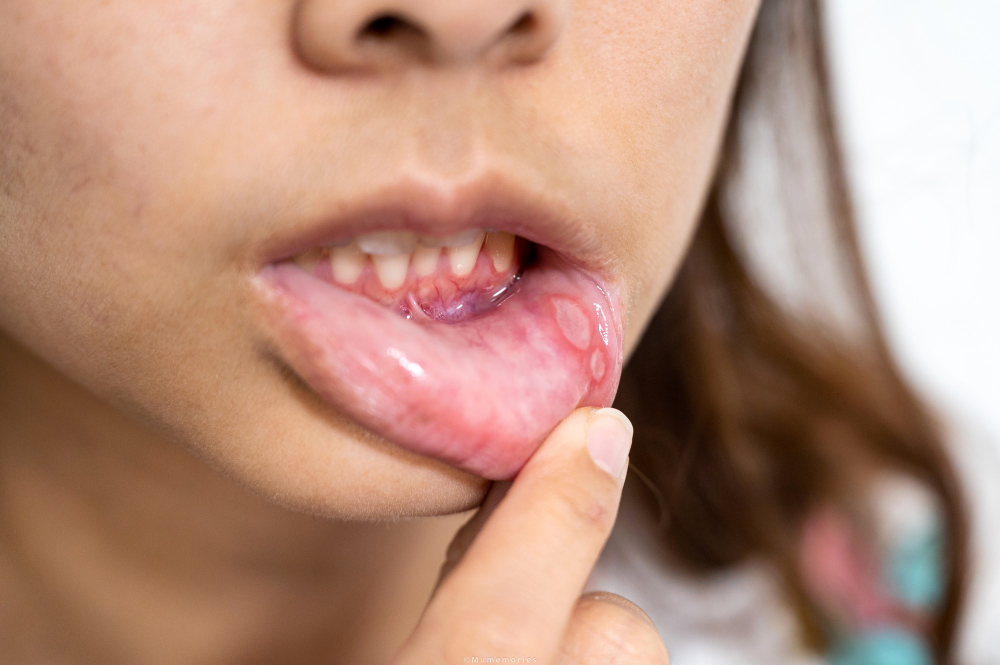
- छाला जो ठीक नहीं हो रहा — मुँह या होंठ पर घाव जो 3 हफ्ते से ज़्यादा बना हुआ है। आम छाले 7 से 10 दिन में ख़ुद ठीक हो जाते हैं।
- सफेद धब्बा — गाल, जीभ या मसूड़े पर सफेद पैच जो उंगली से रगड़ने पर नहीं हटता।
- लाल धब्बा — चमकदार लाल पैच। यह सफेद धब्बे से भी ज़्यादा ख़तरनाक माना जाता है। इसे बिल्कुल न टालें।
- मुँह कम खुलना — पहले जितना मुँह खुलता था, अब उतना नहीं खुलता। अगर आपकी तीन उंगलियाँ सीधी करके मुँह में नहीं जा रहीं, तो यह चेतावनी है।
- मुँह में गांठ या सख़्त जगह — गाल, जीभ या मसूड़े में कोई उभार या मोटी परत महसूस होना, चाहे दर्द न भी हो।
- गर्दन में गांठ — गर्दन के एक तरफ बिना दर्द वाली गांठ जो 3 हफ्ते से ज़्यादा बनी रहे।
ये लक्षण भी नज़रअंदाज़ न करें
- एक ही तरफ के कान में लगातार दर्द, जबकि कान की जाँच में कुछ नहीं निकलता
- खाना निगलने या चबाने में तकलीफ़
- जीभ हिलाने में दिक्कत या बोलने में बदलाव
- बिना किसी वजह के दांत ढीले होना
- नकली दांत (डेन्चर) जो पहले फिट था, अब ठीक से नहीं बैठता
- मुँह से बिना वजह ख़ून आना
- होंठ, जीभ या ठोड़ी में सुन्नपन
- बिना कोशिश किए वज़न कम होना
आम छाला और कैंसर वाला घाव — फ़र्क कैसे पहचानें?
यह सवाल सबसे ज़्यादा पूछा जाता है। नीचे दी तालिका से आपको अंदाज़ा लग जाएगा।
| बात | आम छाला | चिंता वाला घाव |
| दर्द | काफ़ी दर्द होता है | अक्सर दर्द नहीं होता |
| कितने दिन रहता है | 7 से 10 दिन | 3 हफ्ते से ज़्यादा, या बढ़ता जाता है |
| छूने में कैसा | नरम | सख़्त, किनारे उभरे हुए |
| दिखने में | गोल, साफ़ किनारे | टेढ़ा-मेढ़ा, बीच में गड्ढा |
| ख़ून आना | आमतौर पर नहीं | हल्का छूने पर भी ख़ून आ सकता है |
| क्या करें | इंतज़ार कर सकते हैं | तुरंत डॉक्टर को दिखाएँ |
ध्यान दें: यह तालिका सिर्फ़ समझने के लिए है। असली फ़र्क सिर्फ़ जाँच से पता चलता है। ख़ुद अंदाज़ा लगाकर बैठे न रहें।
मुँह का कैंसर किन कारणों से होता है?
1. गुटखा, खैनी, ज़र्दा और तंबाकू
यह सबसे बड़ा कारण है। जब आप गुटखा या खैनी गाल में दबाकर घंटों रखते हैं, तो उसका रस लगातार मुँह की परत को नुकसान पहुँचाता रहता है।
कई साल तक यह चलता रहे तो कोशिकाएँ बिगड़ने लगती हैं। यही आगे चलकर कैंसर बन सकता है।
2. सुपारी और पान मसाला — “तंबाकू नहीं है, तो सेफ़ है” यह ग़लत है
यह सबसे बड़ी ग़लतफ़हमी है। बहुत से लोग तंबाकू छोड़कर सादा सुपारी या तंबाकू रहित पान मसाला खाने लगते हैं और समझते हैं कि अब कोई ख़तरा नहीं।
सच यह है कि सुपारी अपने आप में नुक़सानदेह है। दुनिया की सबसे बड़ी कैंसर रिसर्च संस्था (IARC) ने सुपारी को उन चीज़ों की सूची में रखा है जिनसे इंसानों में कैंसर होना साबित हो चुका है।
सुपारी ही मुँह सख़्त होने और कम खुलने वाली बीमारी की सबसे बड़ी वजह है।
3. बीड़ी, सिगरेट और शराब
धूम्रपान से मुँह, गले और फेफड़ों — तीनों को नुकसान होता है। शराब अकेले भी ख़तरा बढ़ाती है।
और अगर कोई तंबाकू भी लेता है और शराब भी, तो ख़तरा जुड़ता नहीं, कई गुना बढ़ जाता है।
4. कुछ और कारण
- नुकीला टूटा दांत — जो बार-बार गाल या जीभ को रगड़ता रहे। सालों की यह रगड़ नुकसान कर सकती है।
- ख़राब फिटिंग वाला नकली दांत — जो लगातार एक ही जगह चुभता हो।
- मुँह की सफ़ाई पर ध्यान न देना — मसूड़ों की पुरानी बीमारी और गंदगी।
- तेज़ धूप — खेत या बाहर काम करने वालों में होंठ का कैंसर।
- खान-पान — फल और हरी सब्ज़ियाँ बहुत कम खाना।
- उम्र — 40 साल के बाद ख़तरा बढ़ता है, हालाँकि आजकल युवाओं में भी मामले बढ़ रहे हैं।
कैंसर बनने से पहले के संकेत — यही सही समय है
मुँह का कैंसर अचानक नहीं होता। इससे पहले शरीर कई महीनों, कभी-कभी सालों तक संकेत देता है। इन्हें पहचान लिया जाए तो कैंसर होने से पहले ही रोका जा सकता है।
मुँह का कम खुलना (OSMF)
यह सुपारी और पान मसाला खाने वालों में बहुत आम है। इसे ओरल सबम्यूकस फाइब्रोसिस कहते हैं।
इसमें क्या होता है:
- मुँह धीरे-धीरे कम खुलने लगता है
- मिर्च-मसाला खाने पर तेज़ जलन होती है
- गाल के अंदर रस्सी जैसी सख़्त लकीरें महसूस होती हैं
- मुँह की परत का रंग सफेद या पीला पड़ जाता है
- स्वाद कम लगने लगता है
यह बीमारी एक बार हो जाए तो पूरी तरह वापस नहीं जाती। लेकिन अगर आप सुपारी बंद कर दें, तो यह आगे बढ़ना रुक जाती है और कैंसर का ख़तरा काफ़ी कम हो जाता है।
सफेद और लाल धब्बे
सफेद धब्बा (ल्यूकोप्लाकिया) और लाल धब्बा (एरिथ्रोप्लाकिया) — ये दोनों चेतावनी हैं। इनमें से लाल धब्बा ज़्यादा गंभीर माना जाता है।
अच्छी बात यह है कि इस अवस्था में इलाज बहुत आसान और सस्ता होता है। तंबाकू छोड़ने भर से कई मामलों में सुधार दिखने लगता है।
घर पर 5 मिनट में मुँह की जाँच कैसे करें
इसके लिए बस एक आईना, अच्छी रोशनी और साफ़ हाथ चाहिए। महीने में एक बार यह ज़रूर करें।
- गर्दन और चेहरा देखें — आईने में देखें कि दोनों तरफ बराबर है या कहीं सूजन है। उंगलियों से गर्दन को जबड़े के नीचे से कान तक दबाकर देखें कि कोई गांठ तो नहीं।
- होंठ पलटकर देखें — ऊपर और नीचे दोनों होंठ बाहर की तरफ पलटाएँ और अंदर की परत देखें।
- गाल के अंदर देखें — उंगली से गाल को बाहर खींचकर पूरी अंदरूनी सतह देखें। फिर बाहर से उंगली और अंगूठे के बीच गाल दबाकर महसूस करें कि कोई गांठ तो नहीं।
- मसूड़े देखें — ऊपर, नीचे, आगे और पीछे सभी तरफ के मसूड़े देखें और उन पर उंगली फेरें।
- जीभ देखें — जीभ बाहर निकालकर ऊपर की सतह देखें, फिर दायें-बायें घुमाकर दोनों किनारे देखें। जीभ के किनारे सबसे ज़रूरी जगह हैं।
- जीभ के नीचे और तालु देखें — जीभ को ऊपर तालु से लगाएँ और नीचे की जगह देखें। फिर सिर पीछे करके मुँह की छत देखें।
कहीं भी कुछ नया, अलग या 3 हफ्ते से बना हुआ दिखे तो डेंटिस्ट को दिखाएँ।
डॉक्टर के पास जाने पर क्या-क्या होता है?
बहुत से लोग इसी डर से नहीं जाते कि पता नहीं क्या होगा। असल में यह बहुत आसान होता है।
- जाँच — डॉक्टर मुँह के अंदर देखते हैं और उंगली से छूकर जाँचते हैं। गर्दन भी टटोलते हैं। इसमें दर्द नहीं होता और 5 से 10 मिनट लगते हैं।
- बायोप्सी — अगर कुछ संदेह हो, तो उस जगह से बहुत छोटा टुकड़ा लेकर लैब भेजा जाता है। पहले सुन्न करने का इंजेक्शन लगता है, इसलिए दर्द नहीं होता।
- स्कैन या एक्स-रे — अगर रिपोर्ट में कुछ मिलता है, तो यह देखने के लिए कि बीमारी कहाँ तक है।
| “बायोप्सी करवाने से कैंसर फैल जाता है” — यह बात पूरी तरह ग़लत है। यह सिर्फ़ एक अफ़वाह है, जिसकी वजह से हज़ारों लोग इलाज में देर कर देते हैं। बायोप्सी ही एकमात्र तरीक़ा है जिससे पक्का पता चलता है कि गांठ या घाव ख़तरनाक है या नहीं। |
मुँह के कैंसर का इलाज कैसे होता है?
इलाज इस बात पर निर्भर करता है कि बीमारी कितनी फैली है। मुख्य रूप से तीन तरीक़े हैं, और कई बार इन्हें मिलाकर इस्तेमाल किया जाता है।
- ऑपरेशन (सर्जरी) — गांठ को आसपास की थोड़ी जगह के साथ निकाल दिया जाता है। ज़रूरत पड़ने पर गर्दन की गांठें भी निकाली जाती हैं। आजकल शरीर के दूसरे हिस्से से ऊतक लेकर मुँह को दोबारा बनाया जा सकता है, ताकि खाना और बोलना ठीक रहे।
- सिंकाई (रेडिएशन) — ख़ास किरणों से बची हुई कैंसर कोशिकाएँ ख़त्म की जाती हैं। यह ऑपरेशन के बाद दी जा सकती है।
- दवाइयाँ (कीमोथेरेपी) — ज़्यादा फैली हुई बीमारी में सिंकाई के साथ दवाइयाँ दी जाती हैं। नई तरह की दवाइयाँ भी अब उपलब्ध हैं।
शुरुआती अवस्था में अक्सर सिर्फ़ एक छोटा ऑपरेशन ही काफ़ी होता है। जितनी देर से पता चलेगा, इलाज उतना ही बड़ा और लंबा होगा।
सिंकाई शुरू करने से पहले दांतों की जाँच ज़रूर कराएँ
यह बात बहुत कम लोगों को पता होती है। रेडिएशन शुरू करने से पहले डेंटिस्ट से पूरी जाँच करवाएँ और ज़रूरी दांतों का इलाज पहले ही करवा लें।
अगर बाद में दांत निकलवाना पड़े, तो जबड़े की हड्डी में गंभीर दिक्कत हो सकती है जो ठीक होने में बहुत समय लेती है।
मुँह के कैंसर से बचाव — 7 आसान बातें
-
- गुटखा, खैनी, तंबाकू और सुपारी पूरी तरह छोड़ें। यह सबसे बड़ा और सबसे असरदार क़दम है। यह किसी भी दवा से ज़्यादा काम करता है।
- कम करने की नहीं, छोड़ने की सोचें। “दिन में दो की जगह एक” से ख़तरा ख़त्म नहीं होता।
- शराब कम करें, ख़ासकर अगर तंबाकू भी लेते हैं।
- साल में दो बार डेंटिस्ट को दिखाएँ। डेंटिस्ट वह देख लेते हैं जो आप नहीं देख पाते।
- नुकीले या टूटे दांत ठीक करवाएँ। और ख़राब फिटिंग वाला नकली दांत बदलवाएँ।
- महीने में एक बार ख़ुद मुँह की जाँच करें। ऊपर बताया तरीक़ा अपनाएँ।
- खाने में फल और हरी सब्ज़ियाँ बढ़ाएँ। और दिन में पर्याप्त पानी पिएँ।
| तंबाकू छोड़ना है? सरकार की मुफ़्त मदद लें भारत सरकार की राष्ट्रीय तंबाकू क्विटलाइन पर कॉल करें: 1800-11-2356 यह पूरी तरह मुफ़्त है। हिंदी सहित 16 भाषाओं में ट्रेंड काउंसलर आपसे बात करते हैं और छोड़ने की योजना बनाकर समय-समय पर फ़ोन करके हाल पूछते हैं। अब तक 2 लाख से ज़्यादा लोग इस सेवा की मदद से तंबाकू छोड़ चुके हैं। |
ग़लतफ़हमियाँ और सच्चाई
| जो लोग कहते हैं | असली बात |
| “तंबाकू नहीं है, सिर्फ़ सुपारी है, कोई दिक्कत नहीं” | सुपारी ख़ुद नुक़सानदेह है और मुँह सख़्त होने की सबसे बड़ी वजह है |
| “छाला है, अपने आप ठीक हो जाएगा” | 3 हफ्ते से ज़्यादा रहे तो जाँच ज़रूरी है |
| “दर्द नहीं है तो कैंसर नहीं होगा” | शुरुआती मुँह का कैंसर ज़्यादातर दर्द नहीं करता |
| “बायोप्सी से कैंसर फैल जाता है” | बिल्कुल ग़लत — यह पता लगाने का एकमात्र पक्का तरीक़ा है |
| “मुँह का कैंसर लाइलाज है” | शुरुआत में पकड़ा जाए तो पूरी तरह ठीक हो सकता है |
| “कैंसर छूने या साथ खाने से फैलता है” | कैंसर छूत की बीमारी नहीं है |
| “देसी दवा या जड़ी-बूटी से ठीक हो जाएगा” | इसका कोई प्रमाण नहीं; इसमें लगा समय ही सबसे बड़ा नुकसान करता है |
| “20 साल खाया है, अब छोड़ने से क्या होगा” | जिस दिन छोड़ेंगे, उसी दिन से ख़तरा घटना शुरू हो जाता है |
आपके सवाल, सीधे जवाब
मुँह के कैंसर का पहला लक्षण क्या होता है?
सबसे आम पहला लक्षण है मुँह का ऐसा छाला या घाव जो 3 हफ्ते में ठीक न हो और जिसमें आमतौर पर दर्द न हो। मुँह में सफेद या लाल धब्बा भी शुरुआती संकेत हो सकता है।
क्या मुँह का कैंसर पूरी तरह ठीक हो सकता है?
हाँ, अगर शुरुआत में पता चल जाए। शुरुआती अवस्था में इलाज के नतीजे बहुत अच्छे होते हैं और ज़्यादातर लोग सामान्य ज़िंदगी जीते हैं। देर से पता चलने पर इलाज लंबा और मुश्किल हो जाता है।
मुझे किसे दिखाना चाहिए — डेंटिस्ट को या कैंसर के डॉक्टर को?
शुरुआत डेंटिस्ट से करें। डेंटिस्ट ही सबसे पहले मुँह की गड़बड़ी पहचानते हैं। अगर उन्हें कुछ संदेह होगा, तो वे आपको सही विशेषज्ञ के पास भेज देंगे। सीधे कैंसर अस्पताल जाने की ज़रूरत नहीं है।
जाँच में कितना समय और कितना ख़र्च लगता है?
मुँह की शुरुआती जाँच 5 से 10 मिनट में हो जाती है और यह बहुत सस्ती होती है। अगर आगे जाँच की ज़रूरत पड़े, तो डॉक्टर आपको पहले ही बता देंगे कि क्या करना है और कितना ख़र्च होगा।
गुटखा छोड़ने के बाद कितने समय में ख़तरा कम होता है?
छोड़ने के दिन से ही ख़तरा घटना शुरू हो जाता है और साल दर साल कम होता जाता है। किसी भी उम्र में छोड़ने का फ़ायदा होता है, चाहे आपने कितने भी साल खाया हो।
मुँह कम खुलने की समस्या ठीक हो सकती है?
पूरी तरह पहले जैसी नहीं होती, लेकिन सुपारी बंद करने, दवा, मुँह की कसरत और कुछ मामलों में छोटे इलाज से काफ़ी सुधार आ सकता है। सबसे ज़रूरी है कि इसे और बढ़ने से रोका जाए।
क्या मुँह का कैंसर परिवार में चलता है?
ज़्यादातर मामले आदतों से होते हैं, ख़ानदानी नहीं। हालाँकि परिवार में किसी को मुँह या गले का कैंसर रहा हो, तो नियमित जाँच करवाते रहना समझदारी है।
इलाज के बाद क्या यह दोबारा हो सकता है?
हाँ, इसलिए इलाज के बाद डॉक्टर द्वारा बताए गए समय पर जाँच करवाते रहना बहुत ज़रूरी है। सबसे बड़ी बात — इलाज के बाद तंबाकू बिल्कुल न लें, वरना दोबारा होने का ख़तरा कई गुना बढ़ जाता है।
क्या सरकारी योजना से मुफ़्त इलाज मिल सकता है?
हाँ। आयुष्मान भारत योजना के तहत पात्र परिवारों को कैंसर के इलाज सहित सालाना 5 लाख रुपये तक की सुविधा मिलती है। सरकारी कैंसर अस्पतालों में भी इलाज बहुत कम ख़र्च में होता है। अस्पताल के हेल्प डेस्क से ज़रूर पूछें।
मैं तंबाकू नहीं लेता, फिर भी क्या मुझे जाँच करानी चाहिए?
हाँ। तंबाकू सबसे बड़ा कारण है, पर एकमात्र नहीं। साल में दो बार डेंटल जाँच में मुँह की पूरी जाँच शामिल होनी चाहिए। यह कुछ ही मिनट लेती है।
जयपुर में मुँह की जाँच कहाँ कराएँ?
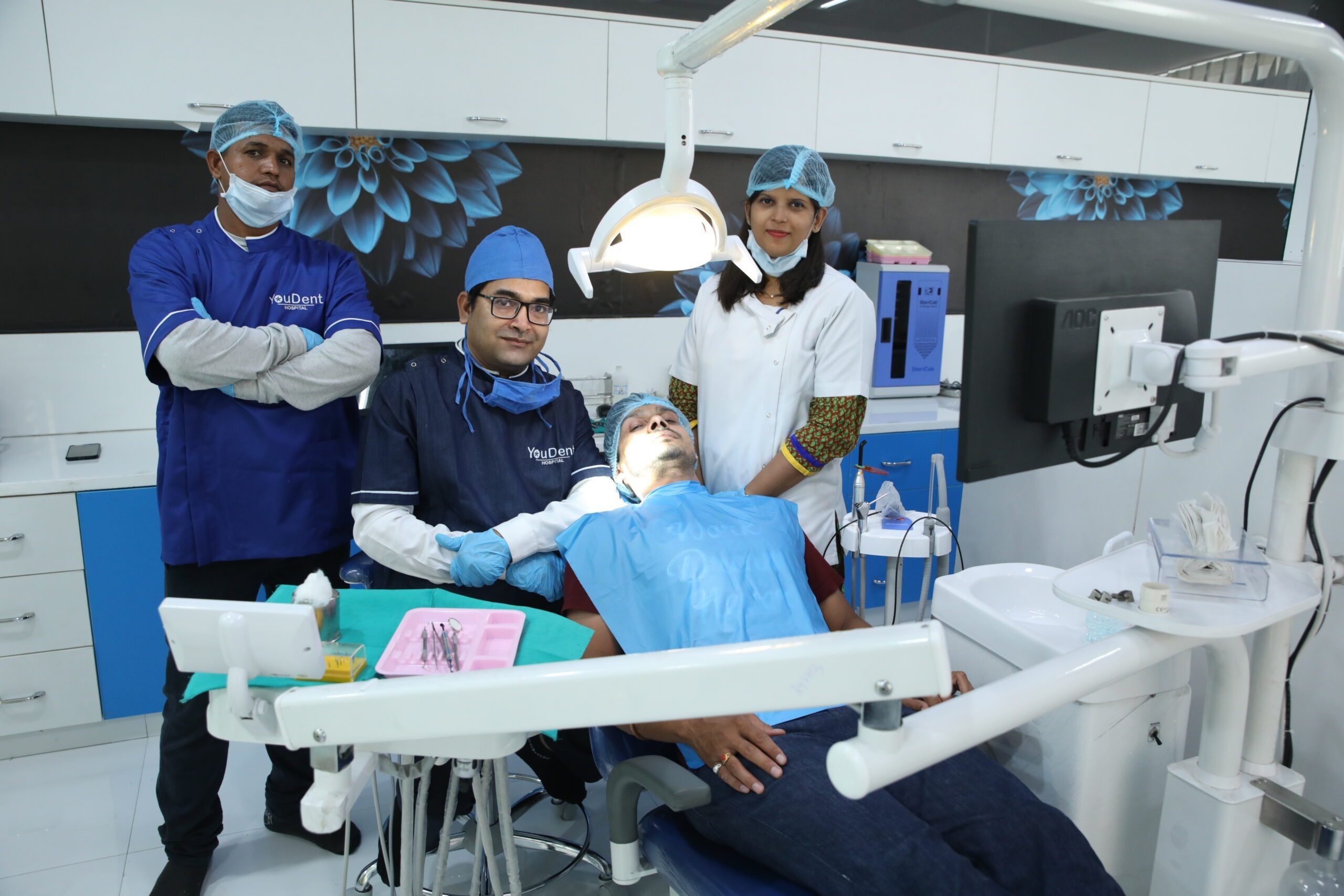
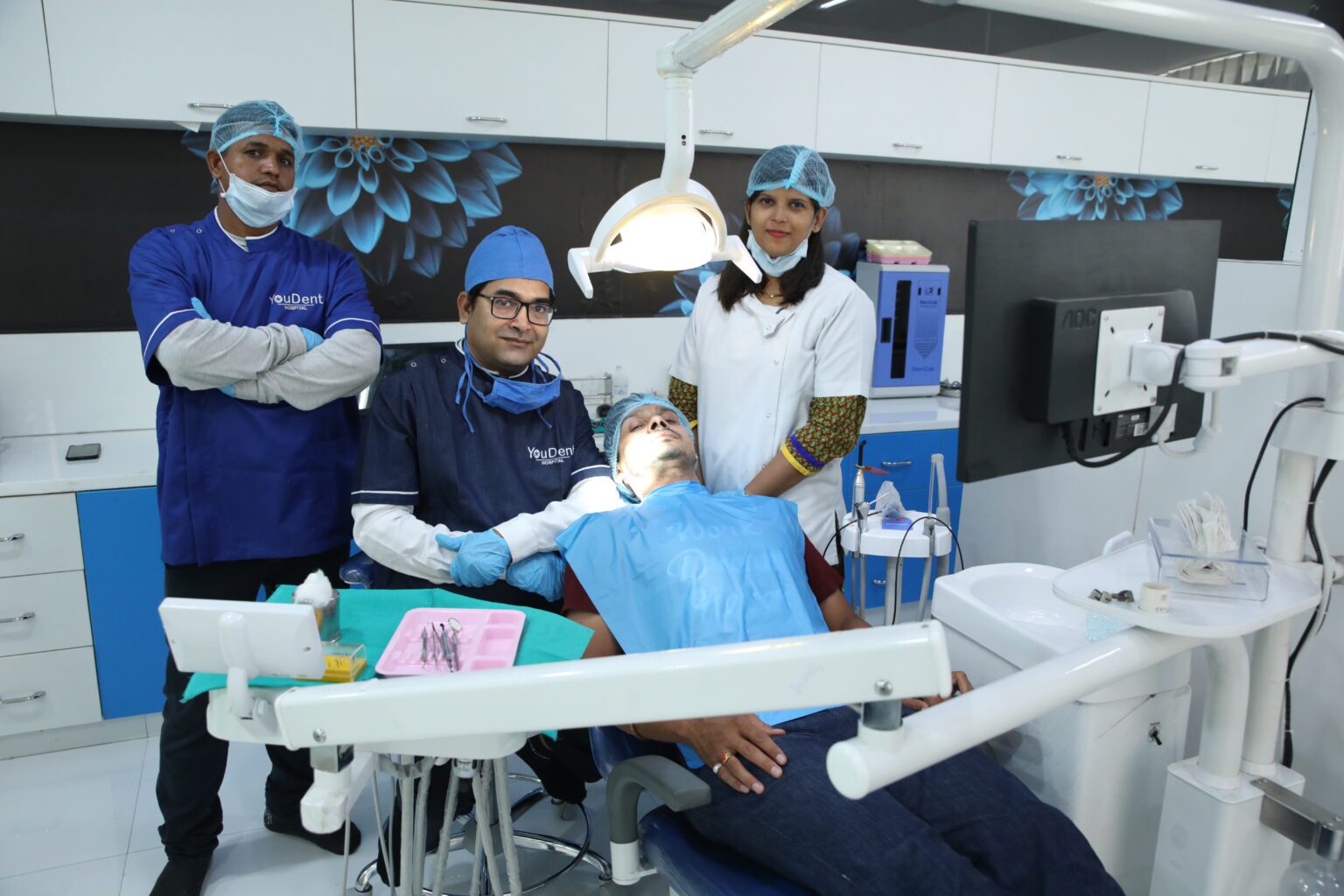
YouDent Hospital जयपुर का NABH प्रमाणित डेंटल हॉस्पिटल है। NABH भारत में स्वास्थ्य सेवाओं की सबसे ऊँची गुणवत्ता प्रमाणिकता है, जो जयपुर के बहुत कम डेंटल क्लिनिक के पास है।
डॉ. राजेश कुमार गुप्ता (BDS, MDS) के 25 वर्षों से अधिक के अनुभव और 10 से ज़्यादा विशेषज्ञ डॉक्टरों की टीम के साथ, यहाँ अब तक 1 लाख से अधिक मरीज़ों का इलाज हो चुका है।
हम क्या करते हैं
- मुँह की पूरी जाँच — छाले, धब्बे, गांठ और मुँह के कम खुलने की जाँच
- डिजिटल एक्स-रे, OPG और इंट्रा-ओरल कैमरे से भीतरी जाँच
- नुकीले या टूटे दांतों को ठीक करना, जो लगातार रगड़ का कारण बनते हैं
- ख़राब फिटिंग वाले नकली दांतों को सही करवाना
- तंबाकू और सुपारी छोड़ने के लिए समझाइश और सही दिशा
| साफ़ बात: YouDent एक डेंटल हॉस्पिटल है, कैंसर अस्पताल नहीं। हमारा काम है समय रहते पहचानना, ज़रूरी जाँच की सलाह देना और आपको सही विशेषज्ञ तक पहुँचाना। अगर जाँच में कुछ गंभीर मिलता है, तो हम आपको मान्यता प्राप्त कैंसर विशेषज्ञ के पास भेजते हैं — और आपके दांतों की देखभाल इलाज के दौरान भी जारी रखते हैं। |
आख़िरी बात
अगर इस पूरे लेख से आपको सिर्फ़ तीन बातें याद रखनी हों, तो ये हैं:
- मुँह का कोई भी घाव, धब्बा या गांठ जो 3 हफ्ते में ठीक न हो — उसे दिखाएँ। दर्द न होना अच्छा संकेत नहीं है।
- तंबाकू और सुपारी छोड़ना सबसे बड़ा इलाज है, और यह पूरी तरह आपके अपने हाथ में है।
- देर करना ही असली ख़तरा है। इलाज उपलब्ध है — बस समय पर पहुँचना ज़रूरी है।
अगर आपके मन में कोई शक है, तो उसे लेकर बैठे न रहें। एक बार दिखा लेना हमेशा बेहतर है।