Category: Aligners and Braces

  • Teeth Aligners Cost in India | Clear Aligners Cost Breakdown

    Teeth Aligners Cost in India | Clear Aligners Cost Breakdown

    The Cost of Teeth Aligners in India: A Guide to a Confident Smile

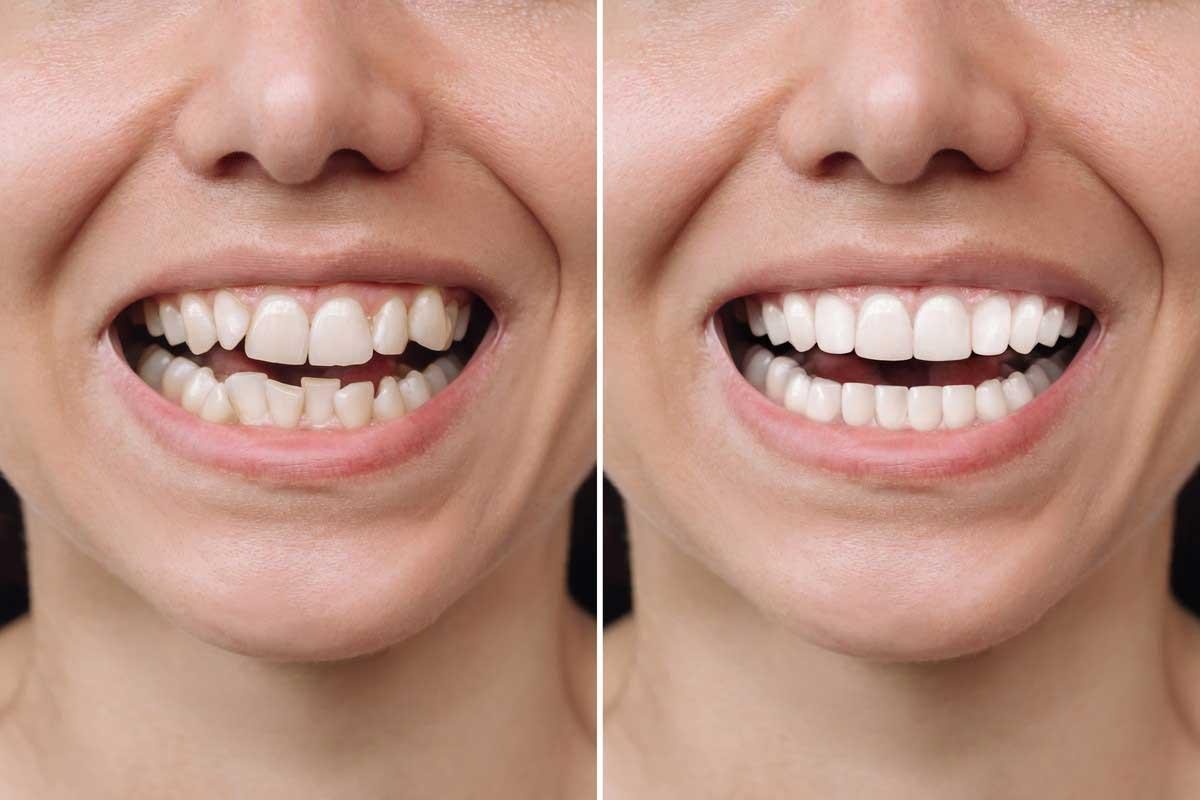
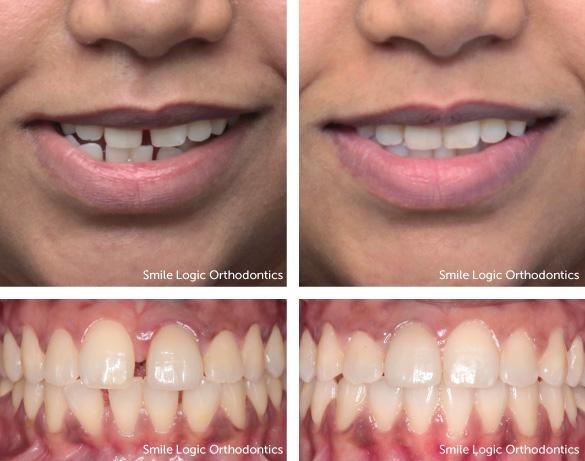
    Teeth aligners have surged in popularity over the years, especially among adults, parents, and professionals. Gone are the days when metal braces were the only option to straighten teeth—today, invisible aligners offer a modern, discreet, and convenient alternative. From improving oral health to boosting confidence with a picture-perfect smile, aligners cater to both functional and aesthetic needs.

    But one question often lingers on people’s minds—how much do teeth aligners cost in India? This guide explores the factors that influence their price, why they might be worth the investment, and how you can manage the cost effectively.

    What Are Invisible Teeth Aligners?

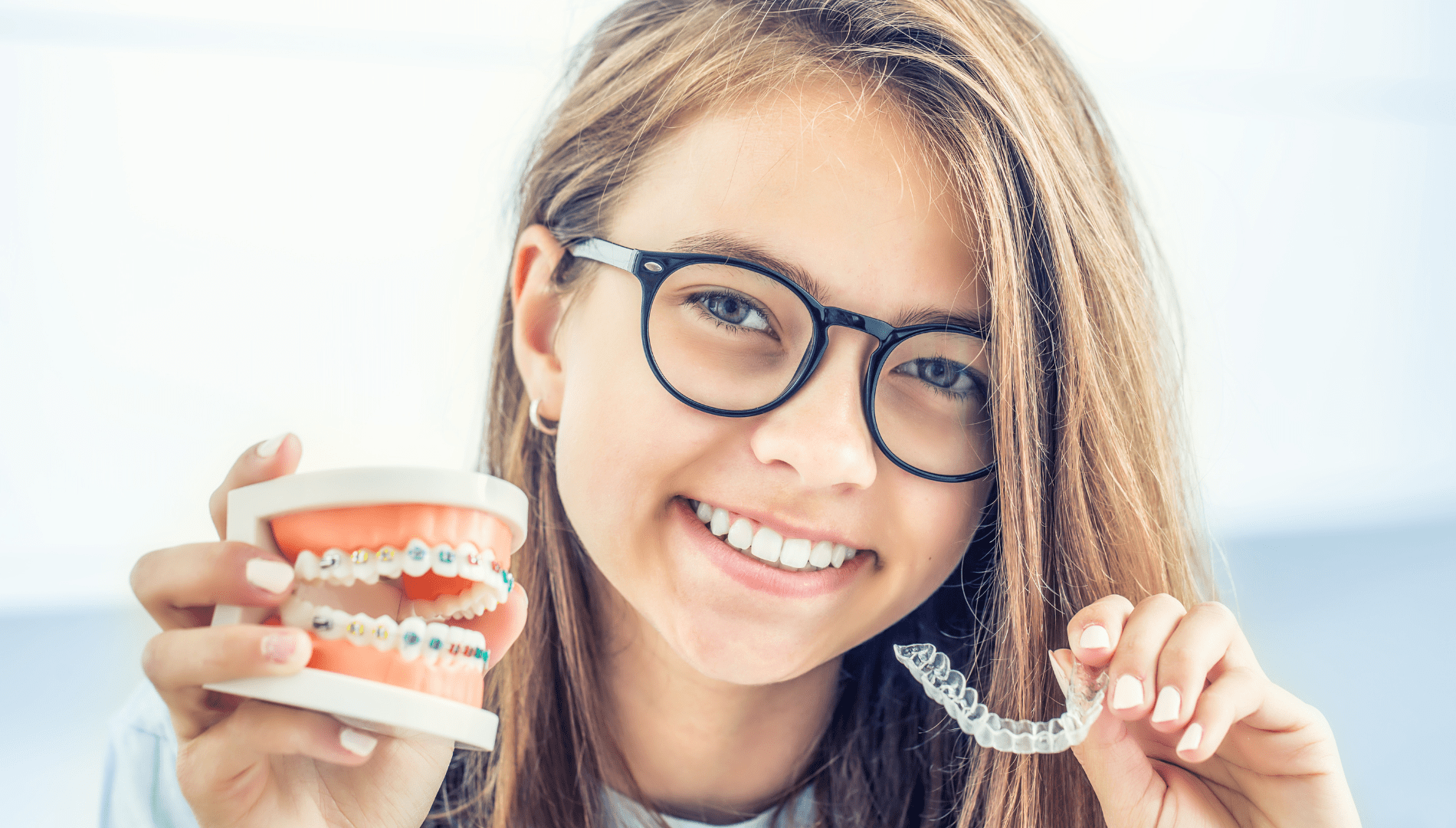
    Invisible teeth aligners, also called clear aligners, are custom-made, translucent trays that fit snugly over your teeth. These trays gradually shift your teeth into the desired position over time. The aligner treatment involves a series of trays, each designed to make incremental adjustments to your teeth, wearing each one for a specified amount of time before switching to the next in the series.

    These aligners are an appealing option for adults and professionals because of their nearly invisible appearance. Unlike traditional braces, they eliminate the discomfort of metal brackets and wires. They’re removable, so you can eat, brush, and floss without restrictions. Invisible aligners have truly revolutionized the way people approach orthodontic care.

    How Much Do Clear Aligners Cost in India?

    Clear aligner treatment cost in India typically ranges between ₹50,000 and ₹3,00,000. This variance is influenced by factors such as the complexity of your case, the duration of the treatment, and the brand you choose. For basic alignment issues, costs may sit on the lower end of the spectrum. However, intricate cases involving major tooth movements or bite corrections will likely require higher investment.

    It’s crucial to remember that the price reflects the quality of the aligners and the expertise behind the treatment. Trusted brands like Invisalign, for instance, offer a premium service with cutting-edge technology, trained orthodontists, and great results, although at a higher cost than generic options.

    Why Choose Invisible Aligners Over Traditional Braces?

    Making the choice between invisible aligners and traditional braces goes beyond just aesthetics. Here’s why aligners may be an ideal fit for you:

    Discreet Appearance: Invisible aligners, as the name suggests, are nearly invisible. This makes them perfect for professionals, teens, or anyone who wants orthodontic treatment without drawing attention.

    Comfort and Convenience: Unlike braces, aligners don’t contain sharp wires or bulky hardware. They fit smoothly over your teeth, minimizing irritation to your gums and cheeks.

    Ease of Maintenance: Since aligners are removable, maintaining dental hygiene becomes stress-free. You can brush, floss, and clean your aligners with ease.

    Fewer Dental Visits: Aligners require fewer in-person adjustments compared to braces, which is a huge advantage for those with busy schedules.

    Lifestyle Flexibility: Love popcorn or sticky candy? Traditional braces often restrict such foods, but with aligners, you simply remove them before eating.

    Invisible aligners go beyond just tooth alignment—they’re an investment in comfort, confidence, and oral health.

    What Factors Influence the Cost of Teeth Aligners?

    Several key factors determine the overall cost of clear aligner treatments. Understanding these can help you make an informed decision:

    1. Brand of Aligners

    • Premium brands like Invisalign are globally renowned and come with a higher price tag.
    • More affordable Indian brands, like Toothsi and Illusion Aligners, offer good alternatives at lower costs.

    2. Complexity of Dental Case 

    • Minor orthodontic adjustments cost significantly less than complex treatments involving bite corrections or jaw realignment.
    • Severe cases often require additional trays and extended treatment timelines, increasing the cost.

    3. Treatment Duration

    • Short-term treatments (6–12 months) naturally cost less than extensive periods spanning two years or more.

    4. Location of Clinic

    • Dental clinics in metropolitan cities like Mumbai, Delhi, or Bangalore tend to charge higher than those in smaller towns.

    5. Expertise of Orthodontist

    • The experience and specialization of the orthodontist play a significant role in pricing. Highly qualified professionals might charge more for their expertise.

    6. Technology Used 

    • The incorporation of advanced 3D imaging, AI-driven assessments, and refined manufacturing techniques adds to the cost.

    How to Manage and Afford the Cost of Teeth Aligners?

    Investing in teeth aligners can feel like a significant expense, but there are ways to make it more affordable and accessible without jeopardizing the quality of your care:

    1. Insurance Coverage

    While most dental insurance plans in India don’t cover cosmetic treatments like aligners, some premium plans do. Check with your insurance provider for details.

    1. Flexible Payment Plans 

    Many orthodontic clinics and aligner providers offer no-cost EMI (equated monthly installment) options. This flexibility can help distribute the expense over manageable monthly payments.

    1. Seasonal Offers & Discounts 

    Certain aligner providers run special discounts or packages—especially during festival seasons. Keep an eye out for promotions.

    1. Free Initial Consultations

    Take advantage of complimentary consultations offered by many clinics. These sessions can help you compare prices and select the best option within your budget.

    1. Company Ties with Subscriptions

    Platforms like Toothsi often provide better pricing options when you opt for their bundled offers.

    1. Long-term Value 

    Consider aligners as a long-term investment that delivers lifelong benefits. The upfront cost becomes less intimidating when you perceive it as an investment in your health and confidence.

    Your Journey to a Confident Smile Starts Here

    Transforming your smile isn’t just about aesthetics—it’s about improved functionality, self-esteem, and better oral hygiene. Clear aligners, though an investment, make this possible in a way that is hassle-free and appealing. By understanding the costs, choosing the right provider, and making use of flexible payment plans, having a dazzling smile is now within reach for adults, parents, and professionals alike.

    Are you ready to begin your smile transformation? Schedule a consultation with a trusted orthodontist or learn more about aligners today. The first step to a confident smile is just a click away.

    Frequently Asked Questions

    What are All-on-4 dental implants?

    All-on-4 dental implants are a method of replacing an entire arch of teeth using just four implants, providing a stable and secure foundation for prosthetic teeth.

    How much do All-on-4 dental implants cost?

    Costs can range from 1,50,000 to 3,00,000 per arch, depending on various factors including location, dentist expertise, and specific patient needs.

    Are All-on-4 implants suitable for people with low bone density?

    Yes, the strategic placement of implants minimizes the need for bone grafting, making it suitable for many patients with lower bone density

    How long do All-on-4 implants last?

    With proper care, All-on-4 implants can last a lifetime, offering a permanent solution to tooth loss.

    What are the benefits of advances in dental technology for All-on-4 implants?

    Technological advancements like digital imaging, guided surgery, and 3D printing enhance precision, customization, and overall success rates of All-on-4 implants.

  • Invisalign Vs. Traditional Braces : Is Invisalign Cheaper than Braces​

    Invisalign Vs. Traditional Braces : Is Invisalign Cheaper than Braces​

    In the world of orthodontics, choosing between Invisalign and traditional braces can feel like navigating a maze. Both options promise to align your smile, but is one more cost-effective than the other? For adults considering these treatments, the decision often boils down to both aesthetics and affordability. This post will unravel the complexities of Invisalign and traditional braces, providing you with the insights needed to make an informed decision.

    What Is Invisalign?

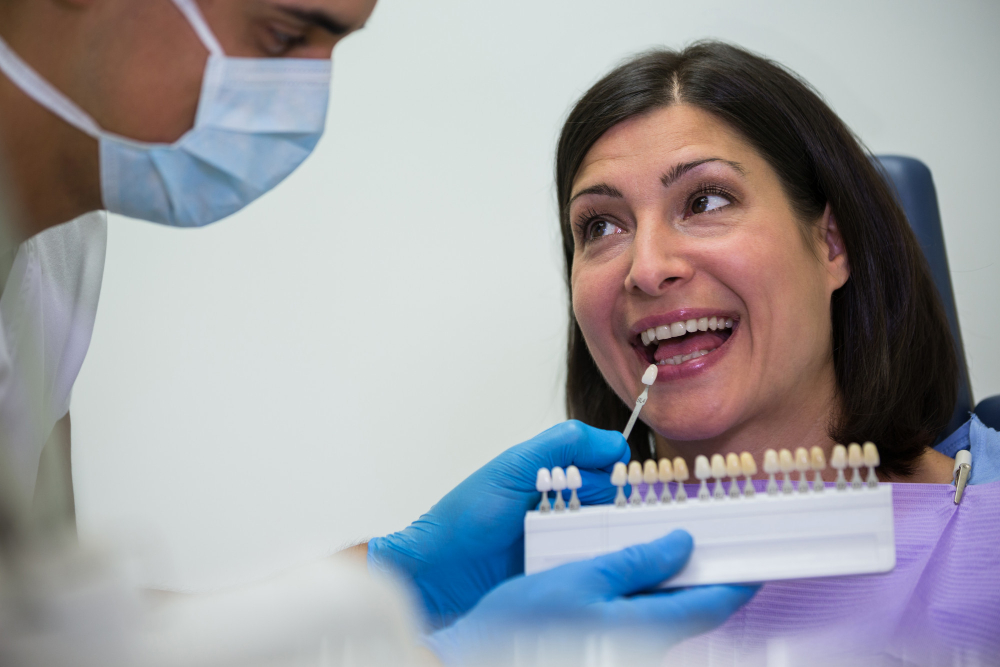
    Invisalign has revolutionized the orthodontic industry with its clear, plastic aligners that offer a discreet way to straighten teeth. Unlike traditional braces, Invisalign aligners are almost invisible, making them an attractive option for adults who prefer a subtle approach to orthodontic treatment.

    How Invisalign Works

    The Invisalign system uses a series of custom-made aligners that gradually shift your teeth into place. With the help of 3D imaging technology, dentists create a personalized treatment plan that outlines each phase of movement. Patients typically switch to a new set of aligners every one to two weeks.

    Pros and Cons of Invisalign

    Invisalign offers several advantages. One significant benefit is the removability of the aligners, allowing you to eat and drink without restrictions and maintain better oral hygiene. However, the success of Invisalign relies heavily on patient compliance, as failing to wear them for the recommended 20-22 hours per day can hinder progress. Additionally, Invisalign may not be suitable for more complex dental issues.

    What Are Braces?

    Traditional braces have been a mainstay in orthodontics for decades. They consist of metal brackets bonded to the teeth and connected by wires and rubber bands. While they’re more conspicuous than Invisalign, they are often preferred for their ability to handle complex dental corrections.

    Types of Braces and How They Work

    Besides the familiar metal braces, there are ceramic braces that blend with the natural color of your teeth and lingual braces that are placed behind the teeth. These alternatives offer varying levels of discretion. The brackets and wires work together to apply continuous pressure, gradually moving the teeth into the desired position.

    Pros and Cons of Braces

    The primary advantage of braces is their versatility in treating a wide range of dental problems. Unlike Invisalign, they do not rely on the patient’s discipline since they are fixed in place. However, they can be uncomfortable, requiring adjustments and causing potential irritation. Hygiene can also be challenging, as food particles can easily get trapped around the brackets and wires.

    Cost Comparison

    When it comes to cost, many factors influence the price of both Invisalign and traditional braces. Typically, Invisalign tends to be slightly more expensive due to the advanced technology involved in creating the aligners.

    Detailed Analysis of the Initial Cost

    The cost of Invisalign can range from 55,000 to 85,000 ($ 710 to $ 1100 ), depending on the complexity of the case and the length of treatment. Traditional braces usually fall within the 1,40,000 to 3,00,000 ($1800 to $3900) range. It’s important to note that these figures can vary based on your location and the specific orthodontist.

    Discussion on Insurance Coverage and Financing Options

    Insurance coverage for orthodontic treatments generally applies to both Invisalign and braces. However, it’s crucial to verify with your provider, as some plans may cover only a portion of the total cost. Many orthodontists offer financing plans to spread out payments, making treatment more accessible for patients on a budget.

    Maintenance and Follow-Up Costs

    Beyond the initial investment, consider the long-term costs associated with maintaining your new smile. Both Invisalign and braces require regular follow-up visits to monitor progress.

    Examination of Long-Term Costs

    Invisalign users may incur additional costs for replacement aligners if they’re lost or damaged. Braces, on the other hand, might require additional appointments for adjustments or repairs. Retainers are typically necessary after either treatment to maintain results, adding to the overall expense.

    Considerations Beyond Cost

    While cost is a significant factor, it’s not the only consideration when choosing between Invisalign and braces. Other aspects such as convenience, comfort, and overall effectiveness play vital roles.

    Discussion on Convenience, Comfort, and Effectiveness

    Invisalign offers unmatched convenience, with the freedom to remove the aligners as needed. Many patients find them more comfortable than braces, which can cause irritation and soreness. However, braces are often more effective for severe cases, providing consistent pressure that can achieve complex movements.

    Conclusion

    Choosing between Invisalign and traditional braces is a personal decision that depends on various factors, including cost, convenience, and individual dental needs. While Invisalign offers a discreet and flexible option, braces provide tried-and-true results for complex cases. Ultimately, consulting with an orthodontist can guide you toward the best choice for your unique situation.

    If you’re considering orthodontic treatment, schedule a consultation to explore your options in more detail. Share this post with others contemplating a similar decision, and help them find their path to a beautiful, confident smile.

    Frequently Asked Questions

    What are All-on-4 dental implants?

    All-on-4 dental implants are a method of replacing an entire arch of teeth using just four implants, providing a stable and secure foundation for prosthetic teeth.

    How much do All-on-4 dental implants cost?

    Costs can range from 1,50,000 to 3,00,000 per arch, depending on various factors including location, dentist expertise, and specific patient needs.

    Are All-on-4 implants suitable for people with low bone density?

    Yes, the strategic placement of implants minimizes the need for bone grafting, making it suitable for many patients with lower bone density

    How long do All-on-4 implants last?

    With proper care, All-on-4 implants can last a lifetime, offering a permanent solution to tooth loss.

    What are the benefits of advances in dental technology for All-on-4 implants?

    Technological advancements like digital imaging, guided surgery, and 3D printing enhance precision, customization, and overall success rates of All-on-4 implants.

  • Clear Teeth Aligners | Invisible Braces Types, Cost, Treatment – YouDent Hospital

    Clear Teeth Aligners | Invisible Braces Types, Cost, Treatment – YouDent Hospital

    The Rise of Invisible Braces Among Adults

    In recent years, invisible braces have taken the world by storm, particularly among adults seeking orthodontic care. Unlike traditional metal braces, these sleek, clear aligners offer a more aesthetically pleasing alternative for those who wish to improve their smile without the conspicuousness of metal. The convenience and subtlety of invisible braces make them an ideal choice for adult orthodontic patients who want to align their teeth discreetly.

    Invisible braces have gained popularity due to their ability to blend seamlessly into one’s lifestyle. For adults who have professional commitments or social engagements, these aligners provide a way to maintain their appearance while undergoing orthodontic treatment. The demand for such solutions has spurred advancements in dental technology, making invisible braces more accessible and effective than ever before.

    This blog aims to guide you through the world of invisible braces, detailing the types available, their benefits, and what to expect from the treatment process. Whether you’re considering invisible braces for the first time or exploring new options, this comprehensive guide will equip you with the knowledge you need to make an informed decision.

    Exploring Types of Invisible Braces Available

    Invisible braces come in various forms, each designed to meet specific needs and preferences. The most common type is clear aligners, which are custom-made trays that gradually shift teeth into their desired position. Brands like Invisalign have become synonymous with this type of treatment, offering a series of aligners that are changed every few weeks.

    Another option is lingual braces, which are similar to traditional braces but are attached to the back of the teeth, making them invisible from the front. This type of brace is particularly appealing to adults who may require more complex tooth movements but still desire a discreet treatment option.

    Ceramic braces, though not entirely invisible, use tooth-colored brackets that blend with your natural teeth. These provide a middle ground between traditional metal braces and clear aligners, offering both effectiveness and a degree of subtlety. Each type of invisible brace caters to different orthodontic needs, allowing adults to choose the best fit for their lifestyle and dental requirements.

    The Benefits of Choosing Invisible Braces

    Choosing invisible braces offers numerous advantages over traditional braces. Firstly, they are far more comfortable, as they don’t involve metal wires or brackets that can irritate the mouth. The smooth, custom-fit aligners reduce discomfort and make the treatment process more pleasant.

    In terms of convenience, invisible braces are removable, allowing users to maintain their oral hygiene routine without any hassle. You can easily remove the aligners for eating, brushing, and flossing, ensuring that your dental health is not compromised during treatment.

    Aesthetically, invisible braces are nearly undetectable, making them an attractive option for adults concerned about the appearance of traditional metal braces. This feature gives you the confidence to smile freely and engage in social activities without feeling self-conscious about your orthodontic treatment.

    Navigating the Invisible Braces Process

    Understanding the process of getting invisible braces is crucial for anyone considering this orthodontic solution. The first step is an initial consultation with a qualified dentist or orthodontist, such as at the best dental clinic in Jaipur, where your dental health and alignment needs will be assessed.

    Once you’re deemed suitable, a digital scan or impression of your teeth will be taken to create your custom aligners. These aligners work by applying gentle pressure to gradually move your teeth into the desired position, with each set worn for a specified period.

    Regular check-ups will be scheduled to monitor progress and ensure that your treatment is on track. The entire process typically lasts between 12 to 18 months, depending on the complexity of your case. By the end of your treatment, you’ll have achieved a beautifully aligned smile, enhancing both your appearance and oral health.

    Understanding the Cost of Invisible Braces

    The cost of invisible braces varies based on several factors, including the complexity of your case, the type of aligner used, and the dental clinic you choose.

    It’s essential to consider the long-term benefits that invisible braces offer when evaluating costs. Many dental clinics offer flexible payment plans or financing options to make the treatment more accessible. Additionally, investing in the best invisible braces treatment in Jaipur can enhance your quality of life and boost your confidence.

    It’s advisable to consult with the best dentist in Jaipur to get a detailed breakdown of costs and find a plan that suits your budget. Their expertise will ensure that you receive the best value for your investment in a healthier, more beautiful smile.

    How Many Hours to Wear Aligners?

    To achieve the best results, invisible braces must be worn consistently for 20 to 22 hours a day. This requires a commitment to wearing them throughout the day and night, removing them only for eating, drinking (except water), and maintaining oral hygiene.

    Wearing aligners as prescribed ensures that your teeth move according to the planned progression. Falling short of the recommended wear time can prolong the treatment duration or compromise the final results. It’s essential to establish a routine that accommodates the wearing schedule while allowing for necessary breaks.

    Adhering to this schedule might initially seem challenging, but with time, incorporating aligners into your daily routine becomes second nature. Using reminders or setting alarms can help you maintain consistency and achieve the optimal outcome for your orthodontic treatment.

    Can We Sleep With Aligners?

    One common question among new aligner users is whether they can sleep with them on. The answer is yes—aligners are designed to be worn while sleeping. In fact, wearing them overnight is crucial, as it ensures the teeth continue to move even when you’re not consciously aware of it.

    Sleeping with aligners also contributes significantly to meeting the daily wear requirement. They are made to be comfortable enough to sleep in, allowing you to maintain your treatment schedule without disruption.

    If you experience any initial discomfort while sleeping, rest assured that this sensation typically subsides as you adjust to wearing the aligners. Consistent wear, including overnight, leads to their effectiveness in achieving the desired teeth alignment.

    Identifying Who May Not Be Suitable for Aligners

    While invisible braces are an excellent choice for many, they’re not suitable for everyone. Certain dental conditions or complexities, such as severe malocclusions or misalignment, may require traditional braces or other orthodontic interventions.

    Additionally, individuals with poor oral hygiene or dental issues like cavities or gum disease should address these concerns before starting treatment with aligners. Commitment to wearing aligners for the required duration is also essential for success, so those unable to meet this commitment may need to explore alternative options.

    Consulting with the best dentist in Jaipur ensures that you’re assessed for suitability and guided towards the most effective treatment plan. They will determine whether aligners are the right choice based on your individual dental needs and lifestyle.

    Tips for Maintaining Oral Health During Treatment

    Maintaining oral health during aligner treatment is essential to achieving the best results. Begin by brushing your teeth thoroughly and consistently after each meal to prevent plaque buildup and tooth decay. Using fluoride toothpaste enhances protection against cavities.

    Flossing daily removes food particles and prevents gum disease, which is vital when using aligners. Keeping your aligners clean is equally important—rinse them with lukewarm water and brush them gently with a soft toothbrush to remove any residue.

    Regular dental check-ups ensure that your teeth and gums remain healthy throughout the treatment process. Your dentist can provide additional guidance on oral care, helping you maintain a healthy smile while achieving optimal alignment results.

    Why Invisible Braces Are Worth Considering

    Invisible braces offer a range of benefits for adults looking to improve their dental alignment discreetly and comfortably. From aesthetic appeal to convenience and effectiveness, they provide a modern solution for achieving a perfect smile.

    If you’re considering orthodontic treatment, invisible braces present a compelling option worth exploring. With the best invisible braces treatment in Jaipur, you can experience these benefits firsthand and enjoy a seamless path to your desired smile.

    Schedule Your Consultation Today

    Ready to take the next step toward a confident smile? Consider scheduling a consultation with the best dental clinic in Jaipur. Their team of experts can guide you through the process and provide personalized advice tailored to your needs.

    For further questions or to learn more about invisible braces, don’t hesitate to reach out. Embark on your orthodontic journey today and discover the transformative power of a beautifully aligned smile. So, make an informed decision and invest in the best invisible braces treatment for a healthier, more confident you. So whether it’s for aesthetic or functional reasons, invisible braces are definitely worth considering as a modern and effective solution for achieving your desired smile. Don’t hesitate to consult with the best dentist in Jaipur and take the first step towards a lifetime of improved oral health and enhanced self-esteem.

    Remember, investing in yourself is always worth it!

    Keep smiling bright with invisible braces!

  • How to Overcome Dental Anxiety: Tips and Strategies for a Stress-Free Dental Experience

    How to Overcome Dental Anxiety: Tips and Strategies for a Stress-Free Dental Experience

    Dental anxiety is a common fear that affects many people. It can prevent them from seeking necessary dental treatment, which can lead to further dental problems. Here are some tips and strategies to help you overcome dental anxiety and have a stress-free dental experience.

    1. Communicate with your dentist: Talk to your dentist about your fears and concerns. A good dentist will listen to your worries and work with you to create a plan that makes you feel comfortable.
    2. Choose a dentist who specializes in anxiety management: Look for a dentist who is experienced in managing anxiety in patients. They can offer a range of techniques to help you relax, such as sedation dentistry, which can make your visit much more comfortable.
    3. Practice relaxation techniques: Before your appointment, try deep breathing, progressive muscle relaxation, or meditation to help calm your nerves.
    4. Bring a friend or family member: Having someone you trust by your side can provide comfort and support during your dental visit.
    5. Distract yourself: Bring your favorite music, audiobook, or podcast to listen to during the appointment. This can help take your mind off the procedure and help you relax.
    6. Use visualization:Think of a tranquil setting, like a beach or a forest. Focus on the details of the scene to help distract yourself from the dental procedure.
    7. Take breaks: If you feel overwhelmed during the procedure, ask for a break. This can give you a chance to relax and regroup before continuing.
    8. Reward yourself: Plan a reward for yourself after the appointment, such as a favorite meal or activity. This can help you focus on the positive aspects of the experience and reduce anxiety for future appointments.

    Remember, dental anxiety is common, and you are not alone. By using these strategies and working with your dentist, you can overcome your fears and have a stress-free dental experience.

    72 साल की उम्र मैं नये दांत लगाकर हुआ सालों का डिप्रेशन दूर ॥ YouDent best Implant hospital India

  • Smile Brighter: Expert Tips for Maintaining Healthy Dental Habits

    Smile Brighter: Expert Tips for Maintaining Healthy Dental Habits

    A bright and healthy smile can be a valuable asset, both personally and professionally. But maintaining good oral hygiene and overall dental health requires more than just brushing and flossing regularly. Here are some healthy habits recommended by dental experts that can help you achieve and maintain a brighter, healthier smile:

    1. Brush and floss regularly

    The foundation of good oral hygiene is brushing your teeth at least twice a day and flossing at least once a day. Brushing helps remove plaque and bacteria from the surface of your teeth while flossing removes debris and bacteria from between your teeth and gums. Use fluoride toothpaste and a soft-bristled brush, and be sure to brush for at least two minutes each time.

    1. Use mouthwash

    In addition to brushing and flossing, using a mouthwash can help kill bacteria that cause bad breath and gum disease. Choose a mouthwash that contains fluoride and has been approved by the American Dental Association (ADA) for safety and effectiveness.

    1. Drink plenty of water

    Drinking water throughout the day can help keep your mouth hydrated and wash away food particles and bacteria that can lead to tooth decay and gum disease. Water also helps neutralize acids in your mouth, which can erode tooth enamel over time.

    1. Limit sugary and acidic foods and drinks

    Sugary and acidic foods and drinks can be harmful to your teeth, causing erosion of tooth enamel and increasing the risk of cavities. Limit your intake of soda, candy, and other sugary or acidic foods, and be sure to brush your teeth after consuming them.

    1. Get regular dental check-ups and cleanings

    Regular dental check-ups and cleanings are essential for maintaining good oral health. Your dentist can check for signs of tooth decay, gum disease, and other oral health problems, and provide treatment as needed. Dental cleanings can also remove plaque and tartar buildup that can lead to gum disease and tooth decay.

    1. Wear a mouthguard during sports

    If you participate in contact sports or other activities that can result in dental injuries, wearing a mouthguard can help protect your teeth and gums from damage. Your dentist can provide a custom-fitted mouthguard that is comfortable and effective.

    1. Quit smoking

    Smoking and using other tobacco products can have serious negative effects on your oral health, increasing the risk of gum disease, tooth loss, and oral cancer. Quitting smoking can help improve your overall health and reduce your risk of dental problems.

    By following these healthy habits recommended by dental experts, you can help ensure that your teeth and gums stay healthy and your smile stays bright for years to come. Talk to your dentist about other steps you can take to improve your oral health and be sure to schedule regular check-ups and cleanings to stay on top of any potential problems.

    YouDent India Hospitals now in Jaipur

  • The Invisible Hero: The Importance of Enamel in Dental Health

    The Invisible Hero: The Importance of Enamel in Dental Health

    Enamel is the outermost layer of our teeth and is an essential component of maintaining our dental health. It is the hardest and most mineralized substance in the human body, and provides a strong, protective layer that shields the sensitive dentin layer underneath from damage caused by chewing, biting, and grinding. In addition to protection, enamel offers several other benefits for our dental health.

    1. Resists Acid Erosion: Enamel is highly resistant to acid erosion caused by sugary and acidic foods and drinks. It serves as a protective barrier that prevents harmful bacteria from reaching the dentin layer and causing cavities.
    2. Helps Maintain Tooth Shape: Enamel plays a crucial role in maintaining the shape of our teeth. Without enamel, our teeth would be more prone to wear and tear, leading to chipping and cracking, which can cause pain and sensitivity.
    3. Provides Aesthetics: Enamel gives our teeth a shiny, white appearance, which is an important factor in our overall appearance. A healthy layer of enamel reflects light, giving our teeth a bright, attractive look.
    4. Enhances Chewing Ability: Enamel helps us to chew our food more effectively. It provides a hard, flat surface for our teeth to come together, allowing us to break down food into smaller particles for easier digestion.
    5. Prevents Sensitivity: Enamel protects the tooth from sensitivity caused by hot or cold food and drinks. Without enamel, the underlying dentin layer would be exposed, making the tooth more sensitive to temperature changes.

    In conclusion, the benefits of enamel in teeth are numerous and essential for maintaining good oral health. It protects our teeth from acid erosion, helps to maintain tooth shape, enhances our chewing ability, provides aesthetics, and prevents sensitivity. It is important to take care of our enamel by practicing good oral hygiene, including regular brushing, flossing, and routine dental check-ups, to keep our teeth healthy and strong.

  • The impact of diet on oral health

    The impact of diet on oral health

    Our diet plays a vital role in keeping our body healthy, including our teeth and gums. The food we eat affects the composition of our saliva and the pH level in our mouth, which can either support or harm oral health. In this article, we will discuss how diet impacts oral health and provide some tips on how to maintain good oral health through a healthy diet..

    The Role of Saliva

    Saliva is a crucial component in maintaining good oral health. It helps to wash away food particles and neutralize acid that can harm our teeth and gums. Our diet plays a crucial role in the composition of our saliva. For example, eating foods high in sugar and carbohydrates can increase the production of acid in our mouth, which can erode tooth enamel and lead to cavities. Eating foods high in fiber, such as fruits and vegetables, can help stimulate the production of saliva and neutralize acid in our mouth.

    The pH Level in Our Mouth

    The pH level in our mouth is another critical factor in maintaining good oral health. The pH level is a measure of acidity, with a pH of 7 being neutral. Our mouth’s natural pH level is slightly acidic, around 5.5 to 7.5, which is necessary for the digestion of food. However, when the pH level drops below 5.5, it can cause demineralization of tooth enamel and lead to tooth decay.

    Foods that are high in sugar and carbohydrates can lower the pH level in our mouth, making it more acidic. On the other hand, eating foods that are high in calcium and phosphate, such as milk and cheese, can help neutralize the acid and increase the pH level in our mouth. Eating foods high in fiber, such as fruits and vegetables, can also help raise the pH level in our mouth.

    Impact of Specific Foods on Oral Health

    While a healthy and balanced diet is essential for maintaining good oral health, some specific foods can have a more significant impact than others. Here are some examples:

    • Sugar: Consuming too much sugar can increase the production of acid in our mouth, leading to tooth decay. Sugary drinks, such as soda and sports drinks, are especially harmful to oral health.
    • Acidic Foods: Foods that are high in acid, such as citrus fruits and tomatoes, can erode tooth enamel and lead to tooth decay.
    • Starchy Foods: Starchy foods, such as potato chips and bread, can get stuck in between teeth and lead to plaque build-up.
    • Fruits and Vegetables: Fruits and vegetables that are high in fiber, such as apples and carrots, can help stimulate the production of saliva, neutralize the acid in our mouth, and help scrub away plaque.
    • Calcium and Phosphate-rich Foods: Foods that are high in calcium and phosphate, such as milk and cheese, can help neutralize acid and remineralize tooth enamel.

    Tips for Maintaining Good Oral Health Through Diet

    Here are some tips for maintaining good oral health through a healthy diet:

    1. Limit Sugar and Acidic Foods: Limit your intake of sugary and acidic foods, such as soda, candy, and citrus fruits.
    2. Eat Calcium and Phosphate-rich Foods: Incorporate calcium and phosphate-rich foods into your diet, such as milk, cheese, and leafy green vegetables.
    3. Chew Sugarless Gum: Chewing sugarless gum can help stimulate the production of saliva, which can help neutralize acid in our mouth and wash away food particles.
    4. Drink Plenty of Water: Drinking plenty of water can help wash away food particles and keep our mouth hydrated.

    Summary:- This article discusses how our diet plays a crucial role in maintaining good oral health. It explains how the composition of our saliva and the pH level in our mouth are affected by the food we eat and how it can either support or harm our oral health. The article provides specific examples of foods that can impact our oral health, such as sugar, acidic foods, starchy foods, fruits and vegetables, and calcium and phosphate-rich foods. It also gives tips for maintaining good oral health through a healthy diet, such as limiting sugar and acidic foods, incorporating calcium and phosphate-rich foods, chewing sugarless gum, drinking plenty of water, and eating a balanced diet. Overall, the article emphasizes the importance of a healthy and balanced diet in maintaining good oral health.

  • Common myths about dental health and the truth behind them

    Common myths about dental health and the truth behind them

    Oral health is an essential part of overall health, and there are many myths and misconceptions surrounding dental health. Believing these myths can lead to improper oral hygiene and dental problems. In this article, we will discuss some of the most common myths about dental health and the truth behind them.

    Myth #1: You only need to brush your teeth once a day

    Truth: Brushing your teeth once a day is not enough to maintain proper oral hygiene. It is recommended to brush your teeth at least twice a day for two minutes each time, using fluoride toothpaste. Brushing removes plaque, a sticky film of bacteria that can cause cavities and gum disease.

    Myth #2: You should brush your teeth immediately after eating

    Truth: Brushing your teeth immediately after eating acidic foods or drinks can damage the enamel of your teeth. Acidic foods and drinks weaken the enamel, and brushing can remove it. It is recommended to wait at least 30 minutes after eating before brushing your teeth.

    Myth #3: Sugar is the only cause of cavities

    Truth: While sugar can contribute to cavities, it is not the only cause. Carbohydrates such as chips, bread, and pasta can also break down into sugars that feed the bacteria in your mouth, leading to cavities. Poor oral hygiene and infrequent dental checkups can also contribute to cavities.

    Myth #4: Whitening toothpaste can whiten your teeth

    Truth: While whitening toothpaste can remove surface stains, it cannot change the natural color of your teeth. If you want to whiten your teeth, it is recommended to consult with your dentist about professional teeth whitening options.

    Myth #5: Gum disease is only a problem for older adults

    Truth: Gum disease can occur at any age and is caused by the buildup of plaque on teeth and gums. Poor oral hygiene, smoking, diabetes, and certain medications can increase the risk of gum disease. Early detection and treatment can help prevent it from progressing and causing tooth loss.

    Myth #6: You should rinse your mouth after brushing your teeth

    Truth: Rinsing your mouth after brushing your teeth can wash away the fluoride in your toothpaste, which helps to protect your teeth from decay. It is recommended to spit out the excess toothpaste, but not to rinse your mouth with water.

    Myth #7: Flossing is not necessary

    Truth: Flossing is an important part of oral hygiene and helps to remove plaque and food particles from between teeth and along the gumline. It is recommended to floss at least once a day, using proper technique.

    Conclusion

    In conclusion, there are many myths and misconceptions surrounding dental health. It is important to separate fact from fiction to maintain proper oral hygiene and prevent dental problems. Brush your teeth at least twice a day with fluoride toothpaste, wait 30 minutes after eating before brushing, avoid sugary and carbohydrate-rich foods, and floss at least once a day. Additionally, schedule regular dental checkups and cleanings to maintain good oral health.

      
  • The role of fluoride in maintaining strong teeth

    The role of fluoride in maintaining strong teeth

    Fluoride is a naturally occurring mineral that has been shown to be highly effective in maintaining strong teeth. It is commonly found in water, soil, rocks, and many foods. Fluoride has been added to public water supplies since the 1940s as a way to improve dental health. In this article, we will discuss the benefits of fluoride in maintaining strong teeth.

    How does fluoride work?

    Fluoride works by strengthening the enamel of your teeth, which is the hard outer layer that protects your teeth from decay. When you consume fluoride, it is absorbed into your bloodstream and then deposited into your developing teeth. As a result, fluoride helps to make your teeth more resistant to the acid produced by bacteria in your mouth, which can cause tooth decay.

    In addition to strengthening your teeth, fluoride can also help to repair early stages of tooth decay. This process is called remineralization, and it occurs when fluoride combines with the minerals in your saliva to create a protective barrier around your teeth.

    How much fluoride do you need?

    The amount of fluoride you need depends on your age and other factors, such as where you live and your diet. In general, children between the ages of 6 months and 16 years need the most fluoride because their teeth are still developing. Adults also benefit from fluoride, but they typically require lower levels than children.

    The American Dental Association recommends that children receive fluoride treatments from their dentist every six months and that adults use fluoride toothpaste and mouthwash as part of their daily oral hygiene routine.

    What are the sources of fluoride?

    Fluoride is found in many sources, including:

    • Tap water: Many public water supplies are fluoridated, meaning they have been treated with fluoride to help prevent tooth decay. If you drink bottled water, be sure to check the label to see if it contains fluoride.
    • Toothpaste: Most toothpaste brands contain fluoride, which helps to strengthen and protect your teeth. Be sure to choose a toothpaste that has been approved by the American Dental Association.
    • Mouthwash: Some mouthwashes contain fluoride, which can help to strengthen your teeth and freshen your breath.
    • Professional treatments: Your dentist can provide fluoride treatments in the form of a gel, foam, or varnish. These treatments are highly concentrated and can be used to help repair early stages of tooth decay.

    Conclusion

    In conclusion, fluoride plays an important role in maintaining strong teeth. It works by strengthening the enamel of your teeth and repairing the early stages of tooth decay. To ensure that you are getting enough fluoride, be sure to drink fluoridated water, use fluoride toothpaste and mouthwash, and receive fluoride treatments from your dentist as recommended. By incorporating fluoride into your oral hygiene routine, you can help to prevent tooth decay and maintain a healthy smile.

  • The Effects of Sugar on Teeth

    The Effects of Sugar on Teeth

    Sugar is often blamed for causing cavities and tooth decay, but what exactly is the link between sugar and oral health? In this article, we’ll take a closer look at the effects of sugar on teeth, and offer tips for reducing sugar intake to maintain good dental health.

    How Sugar Causes Cavities

    When we eat sugary foods, the sugar interacts with the bacteria in our mouths to form an acidic environment. This acidity can cause the enamel on our teeth to break down, leading to cavities. Over time, these cavities can become larger and more serious, causing pain and discomfort.

    In addition to causing cavities, sugar can also lead to gum disease. The bacteria that thrive on sugar can also attack the gums, causing inflammation and bleeding. This can eventually lead to periodontitis, a serious form of gum disease that can cause tooth loss and other health problems.

    Reducing Sugar Intake

    Reducing sugar intake is key to maintaining good oral health. Here are some tips:

    1. Choose healthy snacks: Instead of reaching for sugary snacks like candy and cookies, choose healthier options such as fruits, vegetables, and nuts.
    2. Brush and floss regularly: Brushing and flossing regularly is essential for removing the bacteria that cause cavities and gum disease. Be beyond any doubt to brush twice a day and floss at slightest once a day.
    3. Use fluoride toothpaste: Fluoride is a mineral that can help strengthen the enamel on your teeth and prevent cavities. Choose a toothpaste that contains fluoride for optimal dental health.
    4. Visit your dentist regularly: Regular dental checkups can help detect cavities and other dental problems early, before they become more serious. Be sure to visit your dentist at least twice a year for routine checkups and cleanings.

    In conclusion, sugar can have serious effects on dental health, leading to cavities, gum disease, and other oral health problems. By reducing sugar intake and practicing good oral hygiene habits, you can help prevent these issues and maintain a healthy, beautiful smile for years to come.