...

Category: General Dentistry

  • Best Dental Clinics in India: List of Top 3 Dental Hospitals 2026

    Best Dental Clinics in India: List of Top 3 Dental Hospitals 2026

    India has established itself as one of the world’s leading destinations for high-quality and affordable dental care. Equipped with advanced technologies such as 3D CBCT imaging, digital smile design, laser dentistry, CAD/CAM restorations, and guided dental implant systems, the country’s top dental clinics and hospitals deliver treatment that meets international standards.

    In 2026, patients seek more than just dental treatment—they expect accurate diagnosis, advanced technology, experienced dentists, personalized care, and long-lasting results. Selecting the right dental clinic or hospital is essential for achieving optimal oral health and a confident smile.

    To help you make an informed decision, we have compiled a list of the Best Dental Clinics in India: List of Top 3 Dental Hospitals 2026 . These institutions have been selected based on their clinical expertise, experienced dental specialists, advanced infrastructure, technology adoption, patient satisfaction, treatment outcomes, and overall reputation in modern dentistry.

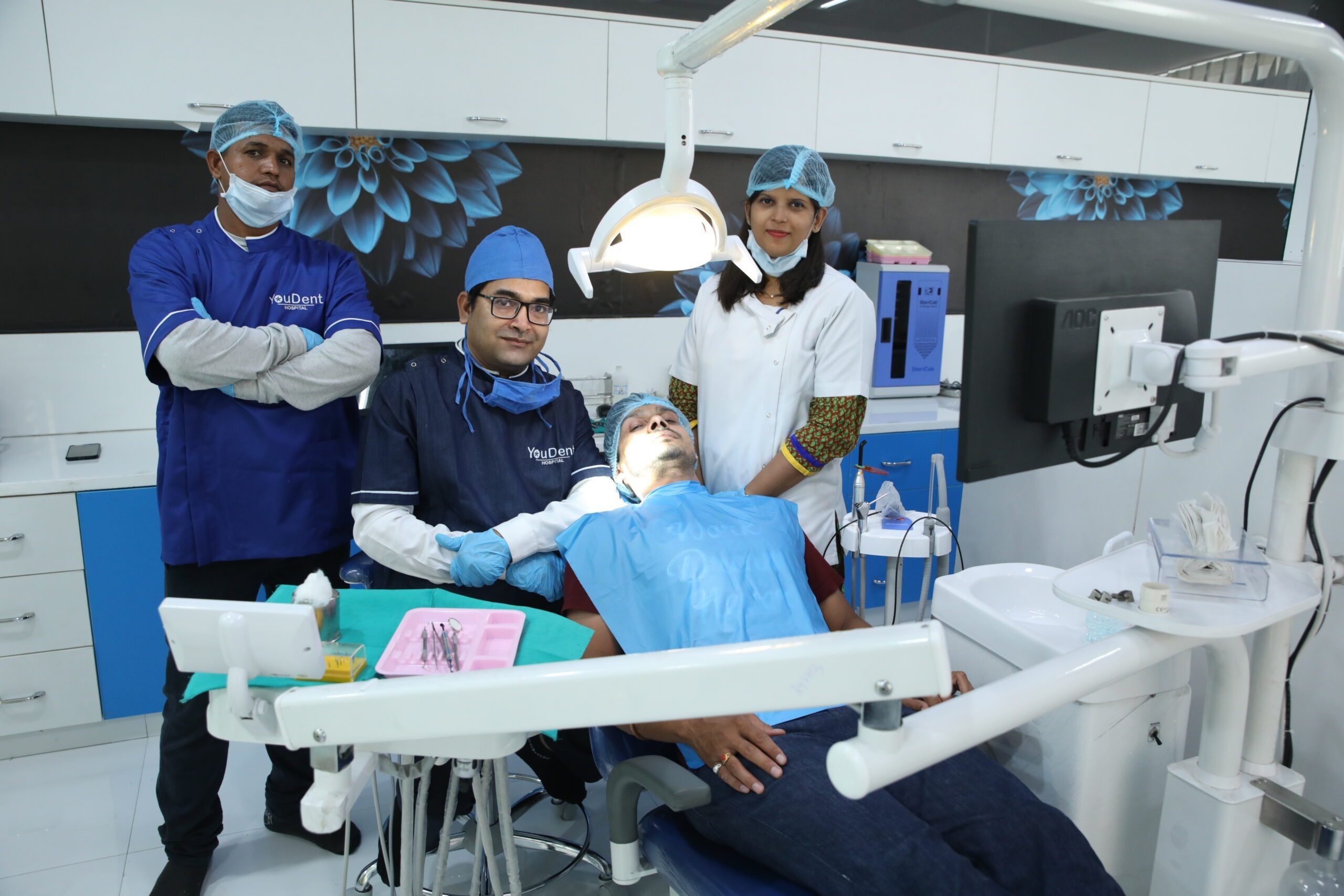
    1. YouDent Hospital: Best Dental Hospital in India

    YouDent Hospital is a NABH Certified & ISO Certified and one of the most reputed dental clinics in India, known for delivering high-quality, patient-centric dental care.

    Founded by Dr. Rajesh Gupta, who brings over 25+ years of experience, the clinic has built a strong reputation for excellence in dentistry. He is widely recognized as one of the best dentists in Jaipur, known for his friendly communication, gentle approach, and commitment to delivering the best dental treatments.

    Established in 2010, YouDent Hospital has grown into a multi-specialty dental center offering advanced and comprehensive dental solutions.

    Key Highlights

    • NABH Certified dental facility
    • 25+ years of clinical expertise under Dr. Rajesh Gupta
    • 1,00,000+ successful dental procedures
    • Specialized in dental implants & full-mouth rehabilitation
    • Comfortable, hygienic, and patient-friendly environment

    Technology & Facilities

    YouDent Hospital is equipped with modern dental technologies, including:

    • Painless Root Canal Treatment
    • Laser Dentistry
    • Digital X-rays (RVG & OPG)
    • 3D Guided Implant Systems
    • Intra-oral Cameras
    • Surgical Lasers

    The clinic also has a multidisciplinary team of highly skilled dentists, ensuring complete dental care under one roof.

    2. Stunning Dentistry

    Stunning Dentistry is known for delivering precision-driven and premium dental care. The clinic positions itself as home to some of the best dentists in Delhi, offering world-class treatment planning and execution.

    Key Highlights

    • Access to world-class dental technologies
    • Premium quality materials used in treatments
    • Lifetime warranties on dental services
    • Internationally trained specialists

    Expertise

    The clinic houses a team of:

    • Cosmetic dentists
    • Endodontists
    • Orthodontists
    • Implant specialists
    • Oral & maxillofacial surgeons

    Most specialists are trained in the USA and Germany, ensuring global treatment standards.

    3. Aesthetic Smiles

    Aesthetic Smiles is one of the top dental clinics in Mumbai, offering a wide spectrum of dental treatments—from basic diagnosis to complete full-mouth rehabilitation.

    Services Offered

    • Dental Implants
    • Single Sitting Root Canal Treatment
    • Laser Teeth Whitening
    • Cosmetic Dentistry
    • Smile Makeovers with Porcelain Veneers

    Why Choose Aesthetic Smiles?

    The clinic is equipped with modern facilities and is backed by a team of experienced dental specialists, ensuring personalized and effective treatment plans.


    How to Choose the Best Dental Clinic in India

    Selecting the right dental clinic is crucial for long-term oral health. Here are some key factors to consider:

    1. Experience & Expertise

    Choose clinics with experienced dentists and specialists.

    2. Technology

    Modern equipment ensures accurate diagnosis and painless treatment.

    3. Hygiene & Safety

    A sterilized environment reduces the risk of infection.

    4. Patient Reviews

    Check feedback and testimonials before booking.

    5. Transparency

    Clear communication about treatment plans and costs is essential.

    India’s dental industry in 2026 is defined by innovation, expertise, and patient-centric care. The clinics listed above represent the best in terms of technology, experience, and trust.

    Whether you need a simple dental check-up or a complex full-mouth rehabilitation, choosing a reputed clinic like YouDent Hospital or other top centers ensures you receive safe, effective, and high-quality dental care.

    Always schedule a consultation before finalizing your treatment. A good dentist will guide you with the right options tailored to your needs.
  • Single Tooth Implant vs Dental Bridge: Which is Better?

    Single Tooth Implant vs Dental Bridge: Which is Better?

    Losing a single tooth can affect your smile, chewing ability, speech, and overall oral health. Fortunately, modern dentistry offers two reliable treatment options to replace a missing tooth: Dental Implants and Dental Bridges.

    Both treatments restore function and appearance, but they differ in procedure, longevity, maintenance, and long-term benefits. Understanding these differences can help you make an informed decision with your dentist.

    Why Replacing a Missing Tooth is Important

    Many people ignore a missing tooth, especially if it is not visible. However, leaving a gap untreated can lead to:

    • Difficulty chewing food
    • Shifting of adjacent teeth
    • Bone loss in the jaw
    • Bite problems
    • Speech difficulties
    • Increased risk of gum disease
    • Changes in facial appearance over time

    Replacing a missing tooth early helps maintain both oral function and aesthetics.

    What is a Single Tooth Dental Implant?

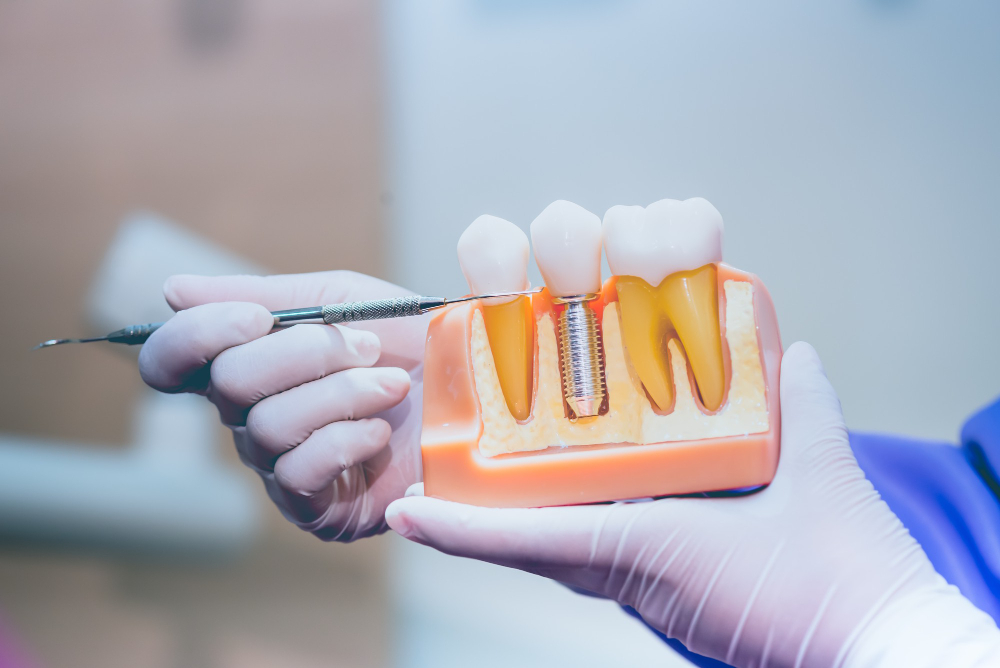
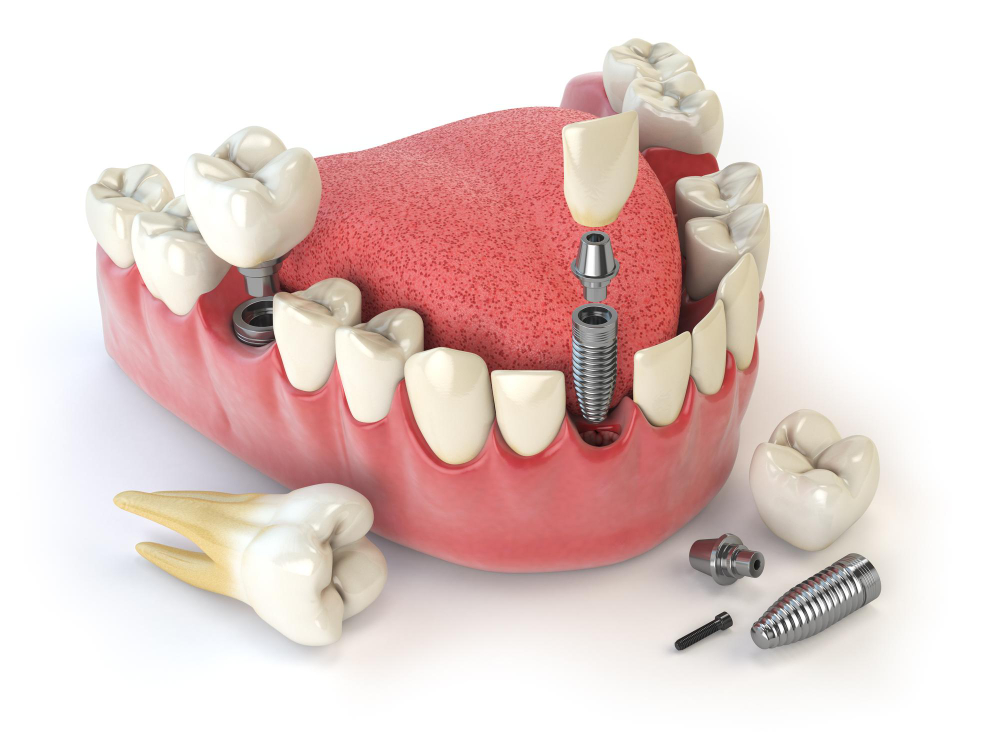
    A single tooth implant replaces both the tooth root and the visible tooth.

    It consists of:

    • Titanium implant placed inside the jawbone
    • Abutment connector
    • Custom-made ceramic crown

    Because the implant integrates with the jawbone, it functions very similarly to a natural tooth.

    What is a Dental Bridge?

    A dental bridge replaces a missing tooth by using the neighboring teeth as support.

    The adjacent teeth are reshaped, and a bridge containing an artificial tooth is cemented onto them.

    Unlike implants, bridges do not replace the missing tooth root.

    Dental Implant vs Dental Bridge

    Feature Dental Implant Dental Bridge
    Replaces Tooth Root ✅ Yes ❌ No
    Requires Grinding Nearby Teeth ❌ No ✅ Yes
    Preserves Jaw Bone ✅ Yes ❌ No
    Looks Natural ✅ Excellent ✅ Good
    Lifespan 20+ years 8–15 years
    Cleaning Similar to natural teeth Requires extra care under the bridge
    Surgery Required Yes No
    Healing Time 3–6 months 1–2 weeks

    Advantages of a Dental Implant

    Dental implants offer several long-term benefits:

    Preserves Jaw Bone

    The implant stimulates the jawbone, preventing bone loss after tooth extraction.

    Protects Healthy Teeth

    No grinding or damage to adjacent teeth is required.

    Long-Lasting Solution

    With proper care, implants can last for decades.

    Natural Function

    Patients can chew, smile, and speak confidently.

    High Success Rate

    Modern dental implants have a success rate of more than 95%.

    Advantages of a Dental Bridge

    A bridge may be recommended in selected situations.

    Benefits include:

    • Faster treatment completion
    • No implant surgery
    • Lower initial cost
    • Suitable when neighboring teeth already require crowns

    Disadvantages of Dental Implants

    Although highly successful, implants have some limitations.

    • Higher initial cost
    • Surgical procedure required
    • Healing period before final crown placement
    • May require bone grafting in patients with severe bone loss

    Disadvantages of Dental Bridges

    Bridges also have limitations.

    • Healthy adjacent teeth must be reshaped
    • Bone loss continues beneath the missing tooth
    • Higher risk of decay around supporting teeth
    • Shorter lifespan compared to implants
    • Bridge replacement may eventually be necessary

    Which Option Lasts Longer?

    Dental implants generally last much longer.

    Average lifespan:

    • Dental Implant: 20 years or more (often lifelong with good care)
    • Dental Bridge: Approximately 8–15 years

    Regular dental check-ups and good oral hygiene significantly increase the lifespan of both treatments.

    Which Treatment Looks More Natural?

    Both options provide excellent cosmetic results.

    However, implants usually create the most natural appearance because they emerge directly from the gums like a real tooth and help preserve the surrounding bone and gum tissue.

    Which Treatment is Better for Chewing?

    Dental implants provide stronger biting force because they are anchored directly into the jawbone.

    Patients often find implants feel more like natural teeth compared to bridges.

    Cost Comparison

    Generally:

    • Dental bridges usually have a lower upfront cost.
    • Dental implants require a higher initial investment but often prove more cost-effective over time because of their durability and lower replacement needs.

    The exact cost depends on:

    • Number of missing teeth
    • Bone condition
    • Implant system used
    • Crown material
    • Additional procedures (such as bone grafting)

    Who Should Choose a Dental Implant?

    Dental implants are often the best option if you:

    • Have healthy gums
    • Have sufficient jawbone
    • Want a permanent solution
    • Prefer not to damage neighboring teeth
    • Are in good overall health

    Who May Benefit from a Dental Bridge?

    A bridge may be suitable if:

    • Adjacent teeth already need crowns
    • Implant surgery is not recommended
    • You prefer a shorter treatment time
    • Budget is a primary concern

    Conclusion

    Both dental implants and dental bridges are effective solutions for replacing a missing tooth. The best choice depends on your oral health, bone condition, budget, and long-term goals.

    If you are looking for the most durable, natural-looking, and long-lasting option, a single tooth dental implant is generally the preferred treatment. A consultation with an experienced implant dentist will help determine the most suitable solution for your individual needs.

  • How Long Do Dental Implants Last? Complete Guide

    How Long Do Dental Implants Last? Complete Guide

    One of the most common questions patients ask before getting a dental implant is, “How long will my dental implant last?”

    The good news is that dental implants are one of the longest-lasting tooth replacement options available today. With proper care, many implants can last 20 years or more, and in many cases, they last a lifetime.

    However, the lifespan of a dental implant depends on several factors, including oral hygiene, bone health, lifestyle habits, and regular dental care.

    In this guide, we’ll explain what affects implant longevity, how to care for your implant, and what you can do to maximize its lifespan.

    What is the Average Lifespan of a Dental Implant?

    A dental implant has two main components:

    Implant Fixture (Titanium Root)

    The titanium implant placed in the jawbone is designed to be permanent. In most patients, it can last 20–30 years or even a lifetime.

    Dental Crown

    The crown attached to the implant experiences daily chewing forces and usually lasts 10–15 years before it may need replacement due to normal wear.

    The implant itself often remains healthy even if the crown is replaced.

    What Makes Dental Implants Last So Long?

    Unlike dentures or bridges, dental implants become part of your jaw through a process called osseointegration.

    During healing, the jawbone grows around the titanium implant, creating a strong and stable foundation similar to a natural tooth root.

    This unique biological bond is one of the reasons implants have such an excellent long-term success rate.

    Factors That Affect Implant Lifespan

    Several factors determine how long your dental implant will remain healthy.

    1. Oral Hygiene

    Poor brushing and flossing can lead to gum inflammation around the implant (peri-implant mucositis), which may progress to peri-implantitis and implant failure.

    Brush twice daily and clean around the implant carefully.

    2. Dentist’s Experience

    Proper diagnosis, treatment planning, and accurate implant placement play a major role in long-term success.

    Choosing an experienced implant dentist significantly improves outcomes.

    3. Bone Quality

    Healthy jawbone provides strong support for the implant.

    Patients with severe bone loss may require bone grafting before implant placement.

    4. Smoking

    Smoking reduces blood supply to the gums and slows healing.

    Smokers have a higher risk of implant complications and failure.

    Quitting smoking before and after implant surgery greatly improves success rates.

    5. Diabetes

    Patients with well-controlled diabetes usually have excellent implant outcomes.

    Poorly controlled diabetes may delay healing and increase infection risk.

    6. Teeth Grinding (Bruxism)

    Excessive grinding places additional pressure on implants.

    Your dentist may recommend a night guard to protect your implant.

    7. Regular Dental Check-ups

    Routine professional cleaning and examinations help detect problems early before they become serious.

    Success Rate of Dental Implants

    Modern dental implants have an excellent success rate.

    Studies show:

    • 95–98% success rate in healthy individuals
    • Even higher long-term success when patients maintain good oral hygiene and attend regular follow-up visits

    Signs That Your Implant is Healthy

    A successful implant should:

    • Feel stable
    • Allow comfortable chewing
    • Have healthy pink gums
    • Be free from pain
    • Show no mobility
    • Function like a natural tooth

    Signs of Possible Implant Problems

    Contact your dentist if you notice:

    • Persistent pain
    • Swollen or bleeding gums
    • Loose implant
    • Pus around the implant
    • Difficulty chewing
    • Bad taste or persistent bad breath

    Early treatment can often prevent implant failure.

    Can Dental Implants Fail?

    Although uncommon, implant failure can occur.

    Possible reasons include:

    • Infection around the implant
    • Smoking
    • Poor oral hygiene
    • Insufficient bone support
    • Excessive biting forces
    • Uncontrolled diabetes
    • Improper implant placement

    Fortunately, most complications are preventable with proper care and regular dental visits.

    How to Make Your Dental Implant Last Longer

    Follow these simple habits:

    Brush Twice Daily

    Use a soft-bristled toothbrush and fluoride toothpaste.

    Floss Every Day

    Clean around the implant to remove plaque and food particles.

    Visit Your Dentist Every Six Months

    Professional examinations and cleanings help maintain implant health.

    Avoid Smoking

    Smoking significantly increases the risk of implant complications.

    Eat a Balanced Diet

    Healthy nutrition supports strong gums and bone health.

    Protect Against Teeth Grinding

    Wear a night guard if recommended.

    Foods to Eat After Implant Surgery

    During healing, choose soft foods such as:

    • Yogurt
    • Mashed potatoes
    • Soup
    • Scrambled eggs
    • Smoothies
    • Oatmeal
    • Rice
    • Soft fruits

    Avoid very hot, hard, crunchy, or sticky foods until advised by your dentist.

    Conclusion

    Dental implants are one of the most durable and successful solutions for replacing missing teeth. While the implant itself can often last for decades or even a lifetime, its long-term success depends on good oral hygiene, regular dental visits, and healthy lifestyle choices.

    If you are considering dental implants or already have one, following your dentist’s instructions and maintaining proper care will help you enjoy a healthy, confident smile for many years.

  • Dental Implants: Benefits, Procedure, Cost, and Complete Care Guide

    Dental Implants: Benefits, Procedure, Cost, and Complete Care Guide

    What is a Dental Implant?

    A dental implant is a modern and permanent tooth replacement solution used to restore missing or damaged teeth. It consists of a small titanium post that is surgically placed into the jawbone, where it functions like a natural tooth root. A custom-made dental crown is then attached to the implant, creating a tooth that looks, feels, and functions like a natural one.

    Today, dental implants are considered one of the safest, most durable, and most effective solutions for replacing missing teeth.

    When Do You Need a Dental Implant?

    A dental implant may be recommended in the following situations:

    • Loss of one or more teeth
    • Teeth damaged due to injury or trauma
    • Difficulty chewing because of missing teeth
    • Discomfort while wearing dentures
    • Reduced confidence due to gaps in the smile

    Key Benefits of Dental Implants

    1. Natural Look and Feel

    Dental implants closely resemble natural teeth in both appearance and function.

    2. Improved Chewing Ability

    Implants provide a stable foundation that allows you to eat and chew comfortably.

    3. Preservation of Jawbone Health

    When a tooth is lost, the jawbone may gradually deteriorate. Dental implants help maintain bone density and prevent bone loss.

    4. Long-Lasting Solution

    With proper care and maintenance, dental implants can last for decades.

    5. Enhanced Confidence

    A complete and healthy smile can significantly improve self-esteem and confidence.

    The Dental Implant Procedure

    Initial Consultation and Evaluation

    Your dentist will examine your teeth, gums, and jawbone. In many cases, a 3D CBCT scan is performed to assess bone quality and plan treatment.

    Implant Placement

    Under local anesthesia, the titanium implant is surgically placed into the jawbone.

    Osseointegration

    Over the next few months, the implant naturally fuses with the surrounding bone through a process called osseointegration, creating a strong and stable foundation.

    Crown Placement

    Once healing is complete, a custom-designed dental crown is attached to the implant, restoring the appearance and function of the missing tooth.

    Is Dental Implant Treatment Painful?

    Most patients experience little to no pain during the procedure because local anesthesia is used. Mild swelling or discomfort may occur for a few days after surgery and can usually be managed with prescribed medications.

    Cost of Dental Implants

    The cost of dental implants varies depending on several factors, including:

    • Implant brand and quality
    • Type of dental crown
    • Bone condition and density
    • Need for additional procedures such as bone grafting or sinus lift
    • Experience and expertise of the dental surgeon

    A personalized consultation is the best way to determine the exact treatment cost.

    Caring for Your Dental Implants

    To ensure long-term success:

    • Brush your teeth twice daily
    • Floss regularly
    • Avoid smoking and tobacco products
    • Visit your dentist for routine check-ups
    • Avoid biting extremely hard objects

    Conclusion

    Dental implants are a safe, effective, and long-term solution for replacing missing teeth. They restore not only your smile but also your ability to chew, speak, and live confidently. If you have one or more missing teeth, dental implants may be the ideal treatment option for you.

  • मुंह के छाले: प्रकार, कारण और उपचार |

    मुंह के छाले: प्रकार, कारण और उपचार |

    मुंह के छाले (Mouth Ulcers) एक आम लेकिन बेहद परेशान करने वाली समस्या है। खाने-पीने, बोलने और यहां तक कि पानी पीने में भी दर्द महसूस हो सकता है। कई लोग इसे सामान्य समझकर नजरअंदाज कर देते हैं, लेकिन बार-बार होने वाले छाले किसी अंदरूनी समस्या का संकेत भी हो सकते हैं।

    इस ब्लॉग में हम विस्तार से जानेंगे—मुंह के छालों के प्रकार, कारण, लक्षण, घरेलू उपाय, मेडिकल ट्रीटमेंट और बचाव के तरीके।

    मुंह के छाले क्या होते हैं?

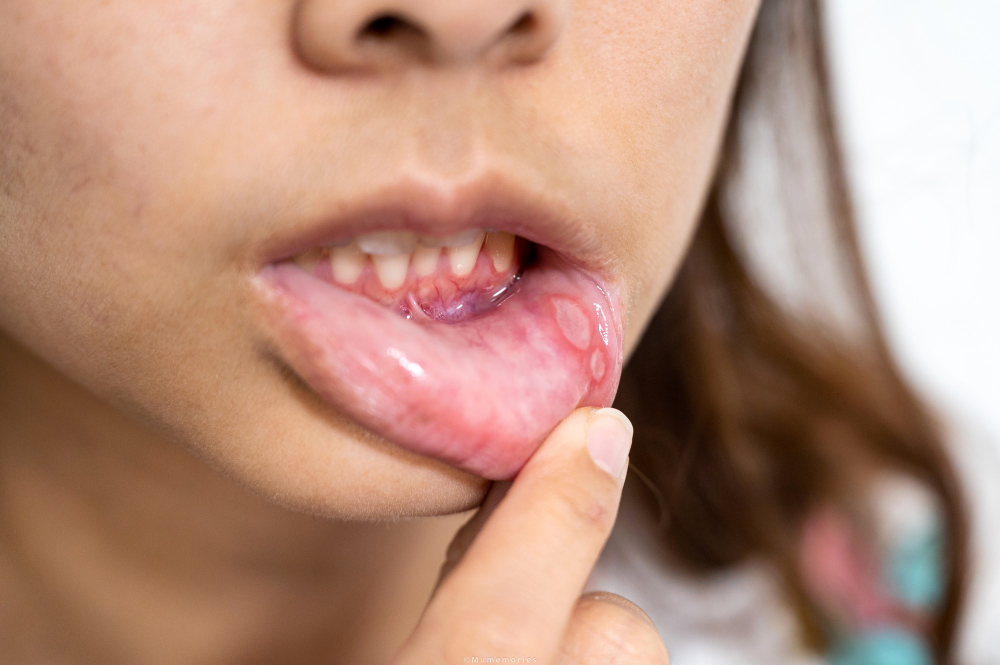
    मुंह के अंदर होंठ, जीभ, गाल या मसूड़ों पर बनने वाले छोटे-छोटे घाव या सफेद/पीले दाग को मुंह के छाले कहा जाता है। ये अक्सर लाल किनारों से घिरे होते हैं और काफी दर्दनाक हो सकते हैं।

    मुंह के छालों के प्रकार (Types of Mouth Ulcers in Hindi)

    मुंह के छाले मुख्यतः तीन प्रकार के होते हैं:

    1. माइनर अफ्थस अल्सर (Minor Ulcers)

    • सबसे सामान्य प्रकार
    • आकार में छोटे (2-5 mm)
    • 7–10 दिनों में खुद ठीक हो जाते हैं
    • कोई निशान नहीं छोड़ते

    2. मेजर अफ्थस अल्सर (Major Ulcers)

    • आकार बड़ा और गहरा होता है
    • ठीक होने में कई हफ्ते लग सकते हैं
    • दर्द ज्यादा होता है
    • कभी-कभी निशान छोड़ सकते हैं

    3. हर्पेटिफॉर्म अल्सर (Herpetiform Ulcers)

    • बहुत छोटे लेकिन संख्या में अधिक
    • एक साथ कई छाले बनते हैं
    • मिलकर बड़े छाले का रूप ले सकते हैं

    मुंह के छाले होने के प्रमुख कारण (Causes of Mouth Ulcers in Hindi)

    मुंह के छाले कई कारणों से हो सकते हैं, जिनमें शामिल हैं:

    1. पोषण की कमी

    • विटामिन B12, आयरन और फोलिक एसिड की कमी
    • शरीर में कमजोरी या एनीमिया

    2. पेट की समस्याएं

    • कब्ज
    • एसिडिटी
    • पाचन तंत्र की गड़बड़ी

    3. तनाव और चिंता

    • मानसिक तनाव से इम्यून सिस्टम कमजोर होता है
    • छाले बार-बार हो सकते हैं

    4. मुंह में चोट

    • गलती से जीभ या गाल काट लेना
    • ब्रश करते समय चोट लगना

    5. हार्मोनल बदलाव

    • खासकर महिलाओं में पीरियड्स के दौरान

    6. एलर्जी या रिएक्शन

    • कुछ खाद्य पदार्थ (जैसे बहुत ज्यादा मसालेदार या खट्टा खाना)

    7. संक्रमण

    • बैक्टीरियल या वायरल इंफेक्शन

    8. दवाइयों का प्रभाव

    • कुछ दवाओं के साइड इफेक्ट के कारण

    मुंह के छालों के लक्षण (Symptoms of Mouth Ulcers in Hindi)

    • मुंह में जलन और दर्द
    • सफेद या पीले रंग के घाव
    • खाने-पीने में परेशानी
    • बोलने में असहजता
    • सूजन या लालिमा

    मुंह के छालों के घरेलू उपचार (Home Remedies of Mouth Ulcers in Hindi)

    1. नमक पानी से कुल्ला

    • गुनगुने पानी में नमक मिलाकर दिन में 2–3 बार कुल्ला करें
    • बैक्टीरिया कम करता है और दर्द में राहत देता है

    2. शहद का उपयोग

    • शहद में एंटीबैक्टीरियल गुण होते हैं
    • छालों पर लगाने से जल्दी ठीक होते हैं

    3. नारियल तेल

    • सूजन और दर्द को कम करता है
    • दिन में 2–3 बार लगाएं

    4. तुलसी के पत्ते

    • 4–5 पत्ते चबाएं
    • एंटीसेप्टिक गुण होते हैं

    5. एलोवेरा जेल

    • ठंडक देता है और घाव भरने में मदद करता है

    मेडिकल उपचार (Medical Treatment of Mouth Ulcers in Hindi)

    यदि छाले बार-बार हो रहे हैं या लंबे समय तक ठीक नहीं हो रहे, तो डॉक्टर से संपर्क करें।

    1. दर्द निवारक जेल

    • छालों पर लगाने के लिए विशेष जेल दिए जाते हैं

    2. विटामिन सप्लीमेंट्स

    • B12, आयरन और फोलिक एसिड की कमी पूरी करने के लिए

    3. एंटीबायोटिक या एंटीसेप्टिक माउथवॉश

    • संक्रमण को रोकने के लिए

    4. स्टेरॉयड दवाएं

    • गंभीर मामलों में दी जाती हैं

    मुंह के छालों से बचाव के तरीके (Preventions of Mouth Ulcers in Hindi)

    • संतुलित और पौष्टिक आहार लें
    • रोजाना पर्याप्त पानी पिएं
    • बहुत ज्यादा मसालेदार और तला-भुना भोजन कम करें
    • तनाव को नियंत्रित करें (योग और मेडिटेशन करें)
    • मुंह की सफाई का ध्यान रखें
    • सॉफ्ट ब्रश का उपयोग करें

    मुंह के छाले एक सामान्य समस्या है, लेकिन सही देखभाल और समय पर उपचार से इसे आसानी से ठीक किया जा सकता है। यदि यह समस्या बार-बार हो रही है, तो इसे नजरअंदाज न करें और विशेषज्ञ से सलाह जरूर लें।

    स्वस्थ जीवनशैली अपनाकर और सही खान-पान से आप इस समस्या से काफी हद तक बच सकते हैं।


    FAQs (अक्सर पूछे जाने वाले सवाल)

    Q1. मुंह के छाले कितने दिन में ठीक होते हैं?

    सामान्य छाले 7–10 दिनों में खुद ठीक हो जाते हैं।

    Q2. क्या मुंह के छाले गंभीर बीमारी का संकेत हो सकते हैं?

    हां, अगर बार-बार हो रहे हैं या लंबे समय तक ठीक नहीं हो रहे, तो डॉक्टर से जांच कराएं।

    Q3. क्या छाले संक्रामक होते हैं?

    सामान्य छाले संक्रामक नहीं होते।

  • What are the benefits of dental implants?

    What are the benefits of dental implants?

    Dental implants offer several important benefits, making them one of the most effective and long-lasting solutions for replacing missing teeth.

    1. Natural look and feel
      Dental implants are designed to function like natural teeth. They are fixed securely in the jawbone, so they look, feel, and perform just like your original teeth—allowing you to smile confidently.
    2. Improved chewing and speech
      Unlike removable dentures, implants stay firmly in place. This helps restore proper chewing ability and prevents speech problems such as slurring or slipping dentures.
    3. Long-lasting and durable
      With proper care, dental implants can last many years—often a lifetime. This makes them a cost-effective solution compared to bridges or dentures that may need frequent replacement.
    4. Prevents bone loss
      Implants stimulate the jawbone, helping to prevent bone loss that typically occurs after tooth loss. This also helps maintain facial structure and prevents a “sunken” appearance.
    5. No damage to adjacent teeth
      Unlike dental bridges, implants do not rely on neighboring teeth for support. This helps preserve the health and strength of surrounding natural teeth.
    6. Improved oral health and hygiene
      Dental implants can be cleaned just like natural teeth with regular brushing and flossing, making oral hygiene easier compared to removable options.
    7. Enhanced comfort and convenience
      Since implants are permanent, there is no need to remove them for cleaning or worry about adhesives. They provide a stable and comfortable solution for everyday use.

    Overall, dental implants are a reliable, aesthetically pleasing, and functional option for restoring missing teeth and improving overall oral health.

  • Understanding Teeth Arrangement and Types of Teeth

    Understanding Teeth Arrangement and Types of Teeth

    What is Teeth and How Are They Arranged? 

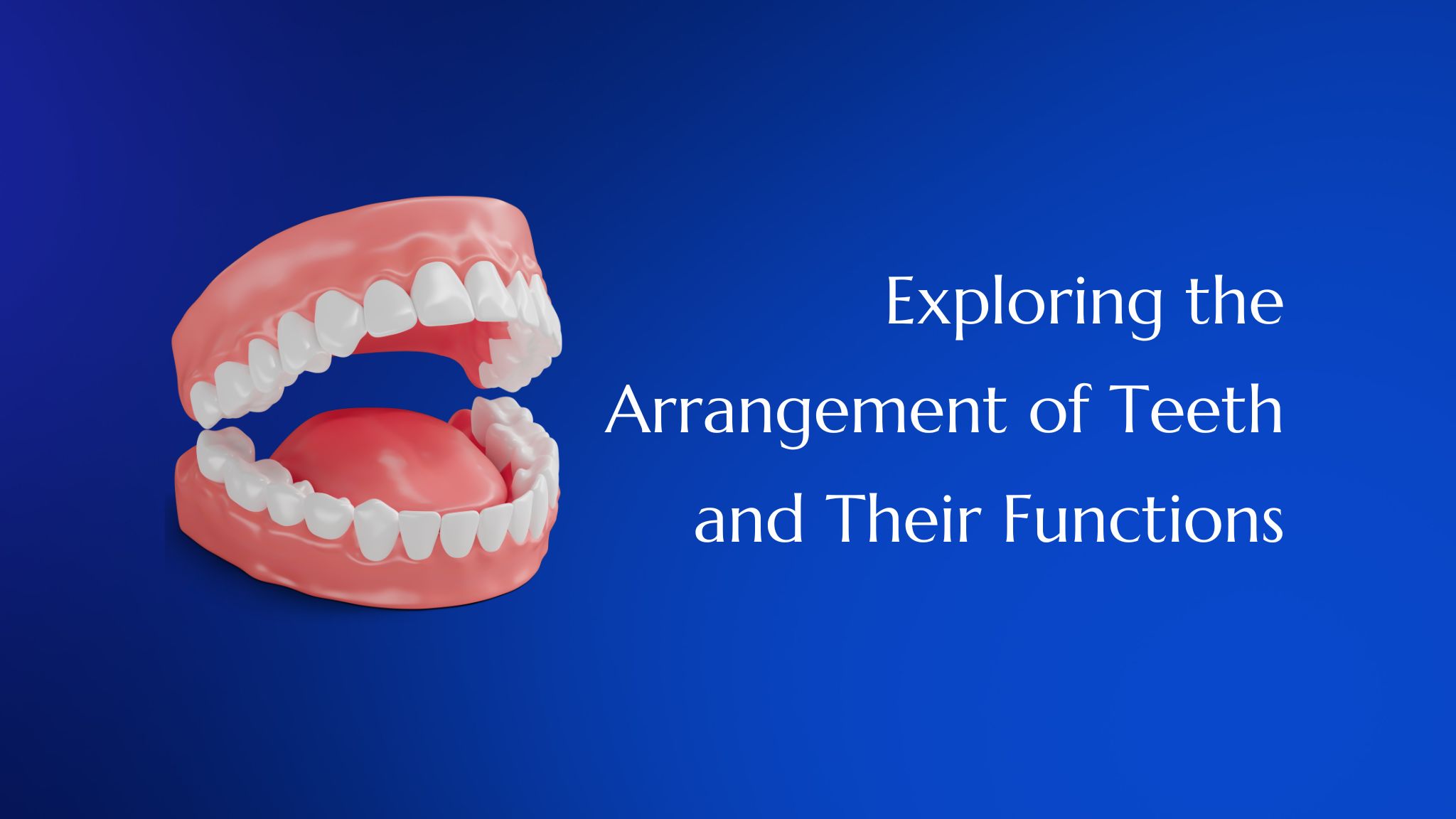
    The human mouth holds a carefully organized set of teeth in mouth, each with a specific purpose. Here’s what makes up your dental teeth arrangement—better known as the human dentition.

    Types of Teeth in the Human Mouth 

    Humans develop what is known as a normal tooth structure, containing four key types of teeth inside mouth arranged to function together seamlessly.

    1. Incisors:
    • Location: Front of the upper teeth and lower jaw.
    • Function: These sharp, flat teeth are designed for biting into and cutting food into smaller pieces.
    1. Canines:
    • Location: Beside the incisors.
    • Function: Their pointed shape helps grip and tear food. You may hear them referred to as side teeth.
    1. Premolars:
    • Location: Between the canines and molars.
    • Function: They work on chewing and grinding food—an essential part of breaking food down before swallowing.
    1. Molars:
    • Location: The back of the teeth arrangement in human jaws.
    • Function: The mighty molar tooth is your go-to for crushing food, thanks to its large, flat surface area.

    An adult mouth typically holds 32 adult permanent teeth, but some teeth do not appear until you are an adult, such as the third molars, or wisdom teeth. These make up the full set of adult teeth found in most individuals.

    Normal Tooth Development 

    From childhood to adulthood, teeth grow and develop into structured sets. It starts with baby teeth (primary teeth), which develop around six months of age, and these are gradually replaced by adult permanent teeth as children grow.

    The upper jaw teeth and lower teeth follow a specific arrangement to ensure proper alignment and functionality, contributing to the harmony of the teeth upper layer and enabling an efficient chewing mechanism.

    Understanding Teeth Anatomy 

    To fully appreciate the structure of your teeth, here is a look at the physical anatomy of a normal tooth structure. If tasked to describe the structure of a tooth, you need to consider the teeth upper part (the crown) and the roots holding it securely in the gums.

    • Crown: The visible part that helps grind and chew food.
    • Enamel: The hardest layer, forming the teeth upper layer that protects the tooth.
    • Pulp and Nerves: Found inside the tooth, this layer houses the tooth’s nerves and blood vessels.

    Common Dental Issues in Teeth Arrangement

    Misalignment or imperfections in teeth arrangement in human dentition can lead to oral health challenges.

    Malocclusion 

    Malocclusion describes improper alignment of the teeth and jaws. Common examples include:

    • Overbite or Underbite
    • Crossbite or Open Bite

    Crowding and Spacing Issues 

    Sometimes teeth teeth teeth (yes, too many teeth!) can cause overcrowding in the jaw, while gaps between teeth on teeth may result in spacing issues, both affecting the function and appearance of your smile.

    The Impact of Diet and Hygiene on Teeth Arrangement 

    Want healthy teeth? It all begins with diet and the tooth care.

    • Diet: Acidic foods, sugary snacks, and insufficient calcium intake can weaken your teeth upper part and erode the enamel. A balanced diet rich in fruits, vegetables, and dairy contributes to strong and even teeth.
    • Oral Hygiene: Skipping daily brushing or flossing can damage teeth details and lead to decay or alignment issues over time. Always take care of your teeth and gums!

    Best Practices for Teeth Care 

    1. Brush twice daily with a fluoride toothpaste.
    2. Use floss or an interdental cleaner to reach hidden areas.
    3. Visit a dentist regularly to get updated teeth information.

    Treatments for Tooth Alignment 

    For individuals facing alignment issues, many modern solutions are available.

    Orthodontic Treatments 

    1. Braces: A tried-and-true method for correcting misaligned dental structure.
    2. Clear Aligners (like Invisalign): They provide convenience and discretion for both teens and adults.

    Surgical Treatments 

    More severe malocclusions may require surgical intervention to restore functionality and alignment to the teeth and bite, along with the best smile designing treatment in Jaipur to enhance the overall appearance.

    Tips for Promoting Healthy Teeth 

    For Parents 

    • Encourage children to adopt regular brushing and flossing habits early.
    • Consider orthodontic attention before alignment issues worsen.

    For Adults 

    • Eat teeth-friendly foods, and avoid habits like grinding or clenching!
    • Regular check-ups are critical to ensure your upper teeth and teeth in mouth stay in top shape.

    Maintain the Beauty and Function of Your Smile 

    Your teeth arrangement in human dentition plays a huge role in your overall health and happiness. From ensuring proper functionality to complementing your smile, the alignment and care of your teeth are a priority for everyone.

    Start prioritizing your oral health today by scheduling a check-up with the best dental clinic in Jaipur. And remember—daily habits make all the difference for keeping those teeth vibrant and healthy.