Youdent Hospital

Category: Kids Dentistry

  • What is Smile Design? Types, Treatment & Its Cost

    What is Smile Design? Types, Treatment & Its Cost

    A beautiful smile has always been a symbol of confidence and attractiveness. However, not everyone is born with perfectly aligned, white teeth. This is where smile design comes into play. Smile design is a comprehensive approach to improving the appearance of your smile through various cosmetic dental procedures. It focuses not only on aesthetics but also on the overall health and function of your teeth. If you’ve ever felt self-conscious about your smile, smile design might be the solution you’ve been looking for.

    Exploring the Various Types of Smile Design

    Smile design encompasses a variety of treatments tailored to meet the unique needs of each patient. Some of the most common types include:

    1. Veneers
    2. Teeth Whitening
    3. Orthodontics

    These treatments can be performed individually or combined to achieve the desired outcome.

    Detailed Overview of Each Treatment Method

    Veneers

    Procedure:

    Veneers are thin, custom-made shells designed to cover the front surface of your teeth. They are typically made from porcelain or composite resin. The dentist removes a small amount of enamel from the tooth’s surface and then bonds the veneer to the tooth.

    Benefits:

    • Natural appearance
    • Stain-resistant
    • Can correct a wide range of dental issues, such as discoloration, chips, and gaps

    Potential Drawbacks:

    • Irreversible procedure
    • Can be costly
    • May require replacement over time

    Teeth Whitening

    Procedure:

    Teeth whitening involves using bleaching agents to remove stains and discoloration from your teeth. It can be done in-office by a dentist or at home using custom-made trays and whitening gels.

    Benefits:

    • Quick results
    • Non-invasive
    • Enhances the overall appearance of your smile

    Potential Drawbacks:

    • Temporary sensitivity
    • Not effective on all types of stains
    • May require multiple sessions for optimal results

    Orthodontics

    Procedure:

    Orthodontic treatments, such as braces or clear aligners, are used to straighten misaligned teeth and correct bite issues. The treatment involves gradually moving teeth into the desired position using brackets, wires, or clear plastic trays.

    Benefits:

    • Long-lasting results
    • Improves both function and aesthetics
    • Suitable for patients of all ages

    Potential Drawbacks:

    • Longer treatment duration
    • Can be uncomfortable
    • Requires regular maintenance and adjustments

    Factors Affecting the Cost of Smile Design

    The cost of smile design can vary widely based on several factors:

    • Materials: Porcelain veneers, for example, are generally more expensive than composite resin veneers.
    • Complexity: More complex cases requiring multiple procedures will naturally be more costly.
    • Location: The cost of dental treatments can vary significantly based on geographic location and the cost of living in that area.
    • Dentist’s Expertise: Highly experienced and reputable dentists may charge more for their services.

    Tips for Choosing the Right Smile Design Treatment

    Selecting the right smile design treatment involves considering your specific dental needs, budget, and aesthetic goals. Here are some tips to help you make an informed decision:

    1. Consult with a Qualified Dentist: Always seek the advice of a skilled and experienced cosmetic dentist. They can assess your dental condition and recommend the most suitable treatments.
    1. Evaluate Your Goals: Clearly define what you want to achieve with smile design. Are you looking to whiten your teeth, correct alignment, or fix gaps?
    1. Consider the Cost: Understand the cost implications of each treatment option and determine what fits within your budget.
    1. Research Different Treatments: Familiarize yourself with the various options available, including their benefits and potential drawbacks.

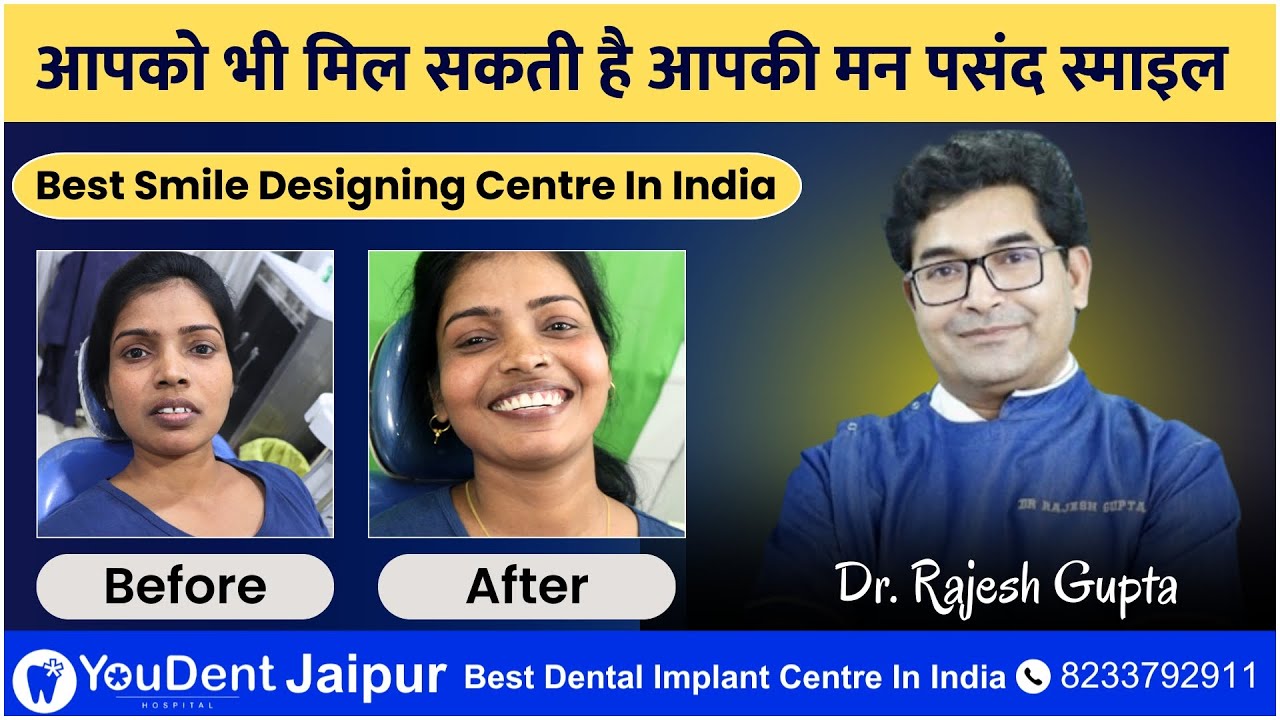
    Real-Life Patient Stories and Before-After Transformations
    YouTube video player

    Conclusion

    Smile design is more than just a cosmetic treatment; it’s a way to enhance your overall quality of life. Whether you’re looking to correct minor imperfections or achieve a complete smile makeover, consulting with a qualified dentist is crucial. They can guide you through the process, helping you choose the best treatments to meet your unique needs and goals. Remember, a beautiful smile is an investment in your self-esteem and well-being.

    By understanding the various aspects of smile design, including the types of treatments available, their benefits and drawbacks, and the factors affecting cost, you can make an informed decision and take the first step toward achieving the smile of your dreams.

    throughout your treatment and that you achieve the best possible outcome

    Frequently Asked Questions

    How long do smile design treatments take?

    • The duration varies depending on the treatment. Teeth whitening can be completed in a single session, while orthodontic treatments may take several months to a few years.

    Are smile design treatments painful?

    Most treatments are minimally invasive and involve little to no discomfort. Your dentist will take steps to ensure you’re comfortable throughout the process.

    Is smile design suitable for everyone?

    Smile design is generally suitable for most people. However, it’s essential to consult with a dentist to determine the best treatment options for your specific needs.

    Can I combine multiple smile design treatments?

    Yes, many patients opt for a combination of treatments to achieve their desired smile. Your dentist can create a customized plan tailored to your goals.
  • Everything About Mouth Ulcer Treatment – YouDent Hospital

    Everything About Mouth Ulcer Treatment – YouDent Hospital

    Mouth ulcers, those pesky and painful sores that appear in the mouth, can disrupt your day and make eating, drinking, and even talking a challenge. Beyond the discomfort, they remind us of the vital role oral health plays in our overall well-being. This detailed guide aims to demystify mouth ulcers, offering insight into their causes, treatment options, and preventive measures.

    Understanding Mouth Ulcers

    What Are Mouth Ulcers?

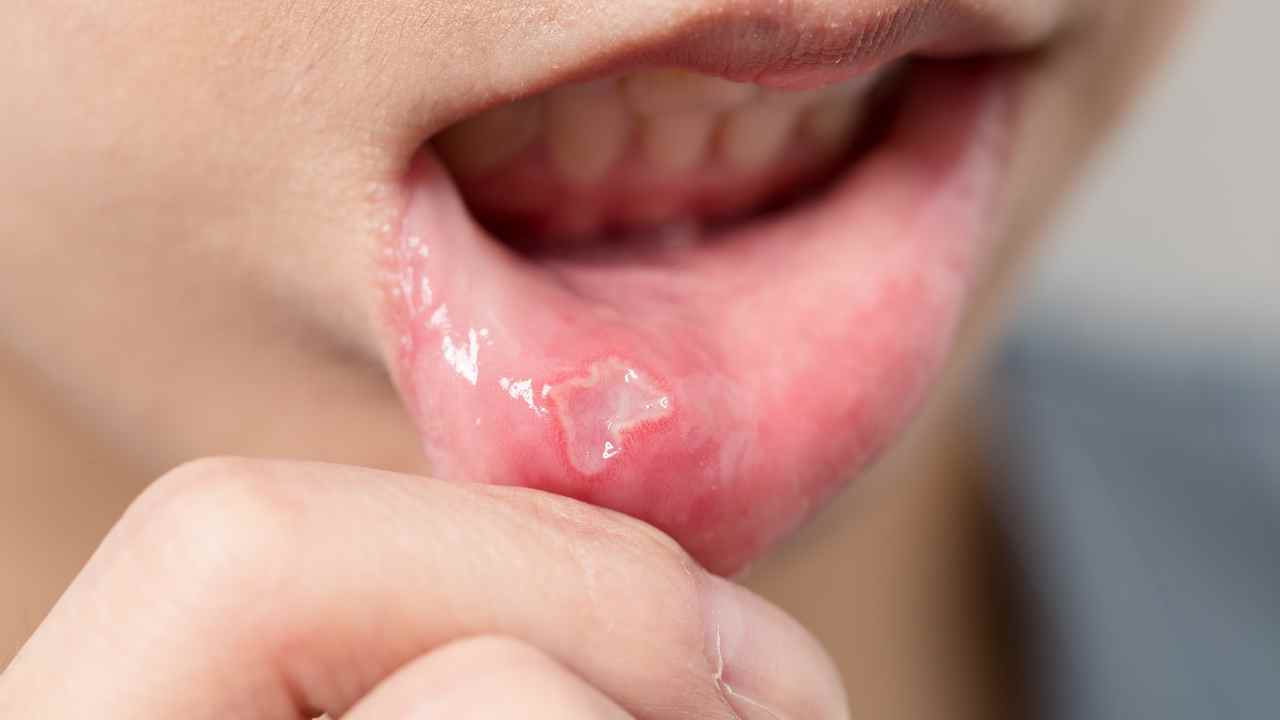
    Mouth ulcers, also known as canker sores, are small, shallow lesions that develop on the soft tissues in the mouth or at the base of the gums. Unlike cold sores, mouth ulcers are not contagious but can be quite bothersome.

    Types of Mouth Ulcers

    Mouth ulcers can be classified into three main types:

    1. Minor ulcers: Small and usually heal within two weeks without scarring.
    2. Major ulcers: Larger and deeper, often taking six weeks to heal and can leave scarring.
    3. Herpetiform ulcers: A cluster of dozens of smaller sores that merge into one larger ulcer. These can be particularly painful and may take longer to heal.

    Common Causes and Triggers

    The exact cause of mouth ulcers remains unclear, but several factors can trigger their development, including:

    • Minor mouth injuries from dental work, hard brushing, or accidental bites.
    • Sensitivities to acidic or spicy foods.
    • Vitamin deficiencies, particularly B12, zinc, folate, and iron.
    • Hormonal changes during menstruation.
    • Stress or lack of sleep.
    • Certain medications or medical conditions.

    Signs and Symptoms to Look Out For

    The most obvious sign of a mouth ulcer is a painful sore on the inside of your mouth. You might also notice:

    • Swelling and redness around the sore.
    • Difficulty eating or talking due to discomfort.
    • In severe cases, fever or swollen lymph nodes.

    Diagnosis and Treatment

    Diagnosing Mouth Ulcers

    Mouth ulcers are typically diagnosed based on the appearance of the sore. Your doctor or dentist might also review your medical history or conduct a few tests to rule out underlying conditions.

    Treatment Options

    Most minor mouth ulcers heal on their own within a couple of weeks. However, for pain relief and faster healing, treatments include:

    • Over-the-counter topical pastes and gels.
    • Mouth rinses with a steroid or antimicrobial ingredient.
    • Oral medications for more severe cases.
    • Laser therapy in some dental offices.

    Managing and Speeding Up Recovery

    • Avoid spicy, acidic foods that can irritate the ulcer.
    • Use a soft-bristled toothbrush and gentle toothpaste.
    • Apply ice to the ulcer or rinse your mouth with salt water.

    Prevention and Lifestyle Changes

    Dietary and Oral Hygiene Habits

    • Maintain a balanced diet rich in vitamins and minerals.
    • Keep up with good oral hygiene practices, including regular brushing and flossing.
    • Try to avoid foods that trigger your mouth ulcers.

    Lifestyle Changes

    • Manage stress through relaxation techniques like yoga or meditation.
    • Ensure you get enough sleep.
    • Quit smoking if you smoke, as it can exacerbate mouth ulcers.

    When consult with Doctor

    While most mouth ulcers are harmless and resolve without intervention, it’s crucial to seek medical advice if:

    • Your ulcers are unusually large or painful.
    • They persist for more than three weeks without signs of healing.
    • You experience frequent recurrences.
    • There are signs of bacterial infection, such as fever or significant swelling.

    Complications and Future Outlook

    Unattended mouth ulcers can lead to complications like secondary infections. The future of mouth ulcer treatment looks promising, with ongoing research into more effective healing methods and preventive measures.

    Conclusion

    Mouth ulcers might be small, but they can significantly impact your quality of life. Understanding their causes, treatment options, and preventive measures can help you manage them more effectively. Remember, maintaining good oral hygiene and a healthy lifestyle can go a long way in preventing these uncomfortable sores.

    We encourage you to share your experiences and tips for managing mouth ulcers. Together, we can support each other in achieving better oral health.

    throughout your treatment and that you achieve the best possible outcome.

    Frequently Asked Questions

    Can mouth ulcers indicate cancer?

    Most mouth ulcers are not cancerous. However, if you have a sore that doesn’t heal within three weeks, it’s crucial to get it checked by a professional.

    Are mouth ulcers contagious?

    No, unlike cold sores, mouth ulcers are not caused by a virus and are not contagious.

    Can diet affect mouth ulcers?

    Yes, deficiencies in certain vitamins and minerals can increase your risk of developing mouth ulcers. A balanced diet is essential for prevention.

    How can I prevent mouth ulcers?

    Avoiding known triggers, maintaining good oral hygiene, and adopting a healthy lifestyle can help prevent the occurrence of mouth ulcers.