Author: Admin

  • Common myths about dental health and the truth behind them

    Common myths about dental health and the truth behind them

    Oral health is an essential part of overall health, and there are many myths and misconceptions surrounding dental health. Believing these myths can lead to improper oral hygiene and dental problems. In this article, we will discuss some of the most common myths about dental health and the truth behind them.

    Myth #1: You only need to brush your teeth once a day

    Truth: Brushing your teeth once a day is not enough to maintain proper oral hygiene. It is recommended to brush your teeth at least twice a day for two minutes each time, using fluoride toothpaste. Brushing removes plaque, a sticky film of bacteria that can cause cavities and gum disease.

    Myth #2: You should brush your teeth immediately after eating

    Truth: Brushing your teeth immediately after eating acidic foods or drinks can damage the enamel of your teeth. Acidic foods and drinks weaken the enamel, and brushing can remove it. It is recommended to wait at least 30 minutes after eating before brushing your teeth.

    Myth #3: Sugar is the only cause of cavities

    Truth: While sugar can contribute to cavities, it is not the only cause. Carbohydrates such as chips, bread, and pasta can also break down into sugars that feed the bacteria in your mouth, leading to cavities. Poor oral hygiene and infrequent dental checkups can also contribute to cavities.

    Myth #4: Whitening toothpaste can whiten your teeth

    Truth: While whitening toothpaste can remove surface stains, it cannot change the natural color of your teeth. If you want to whiten your teeth, it is recommended to consult with your dentist about professional teeth whitening options.

    Myth #5: Gum disease is only a problem for older adults

    Truth: Gum disease can occur at any age and is caused by the buildup of plaque on teeth and gums. Poor oral hygiene, smoking, diabetes, and certain medications can increase the risk of gum disease. Early detection and treatment can help prevent it from progressing and causing tooth loss.

    Myth #6: You should rinse your mouth after brushing your teeth

    Truth: Rinsing your mouth after brushing your teeth can wash away the fluoride in your toothpaste, which helps to protect your teeth from decay. It is recommended to spit out the excess toothpaste, but not to rinse your mouth with water.

    Myth #7: Flossing is not necessary

    Truth: Flossing is an important part of oral hygiene and helps to remove plaque and food particles from between teeth and along the gumline. It is recommended to floss at least once a day, using proper technique.

    Conclusion

    In conclusion, there are many myths and misconceptions surrounding dental health. It is important to separate fact from fiction to maintain proper oral hygiene and prevent dental problems. Brush your teeth at least twice a day with fluoride toothpaste, wait 30 minutes after eating before brushing, avoid sugary and carbohydrate-rich foods, and floss at least once a day. Additionally, schedule regular dental checkups and cleanings to maintain good oral health.

      
  • The role of fluoride in maintaining strong teeth

    The role of fluoride in maintaining strong teeth

    Fluoride is a naturally occurring mineral that has been shown to be highly effective in maintaining strong teeth. It is commonly found in water, soil, rocks, and many foods. Fluoride has been added to public water supplies since the 1940s as a way to improve dental health. In this article, we will discuss the benefits of fluoride in maintaining strong teeth.

    How does fluoride work?

    Fluoride works by strengthening the enamel of your teeth, which is the hard outer layer that protects your teeth from decay. When you consume fluoride, it is absorbed into your bloodstream and then deposited into your developing teeth. As a result, fluoride helps to make your teeth more resistant to the acid produced by bacteria in your mouth, which can cause tooth decay.

    In addition to strengthening your teeth, fluoride can also help to repair early stages of tooth decay. This process is called remineralization, and it occurs when fluoride combines with the minerals in your saliva to create a protective barrier around your teeth.

    How much fluoride do you need?

    The amount of fluoride you need depends on your age and other factors, such as where you live and your diet. In general, children between the ages of 6 months and 16 years need the most fluoride because their teeth are still developing. Adults also benefit from fluoride, but they typically require lower levels than children.

    The American Dental Association recommends that children receive fluoride treatments from their dentist every six months and that adults use fluoride toothpaste and mouthwash as part of their daily oral hygiene routine.

    What are the sources of fluoride?

    Fluoride is found in many sources, including:

    • Tap water: Many public water supplies are fluoridated, meaning they have been treated with fluoride to help prevent tooth decay. If you drink bottled water, be sure to check the label to see if it contains fluoride.
    • Toothpaste: Most toothpaste brands contain fluoride, which helps to strengthen and protect your teeth. Be sure to choose a toothpaste that has been approved by the American Dental Association.
    • Mouthwash: Some mouthwashes contain fluoride, which can help to strengthen your teeth and freshen your breath.
    • Professional treatments: Your dentist can provide fluoride treatments in the form of a gel, foam, or varnish. These treatments are highly concentrated and can be used to help repair early stages of tooth decay.

    Conclusion

    In conclusion, fluoride plays an important role in maintaining strong teeth. It works by strengthening the enamel of your teeth and repairing the early stages of tooth decay. To ensure that you are getting enough fluoride, be sure to drink fluoridated water, use fluoride toothpaste and mouthwash, and receive fluoride treatments from your dentist as recommended. By incorporating fluoride into your oral hygiene routine, you can help to prevent tooth decay and maintain a healthy smile.

  • The Effects of Sugar on Teeth

    The Effects of Sugar on Teeth

    Sugar is often blamed for causing cavities and tooth decay, but what exactly is the link between sugar and oral health? In this article, we’ll take a closer look at the effects of sugar on teeth, and offer tips for reducing sugar intake to maintain good dental health.

    How Sugar Causes Cavities

    When we eat sugary foods, the sugar interacts with the bacteria in our mouths to form an acidic environment. This acidity can cause the enamel on our teeth to break down, leading to cavities. Over time, these cavities can become larger and more serious, causing pain and discomfort.

    In addition to causing cavities, sugar can also lead to gum disease. The bacteria that thrive on sugar can also attack the gums, causing inflammation and bleeding. This can eventually lead to periodontitis, a serious form of gum disease that can cause tooth loss and other health problems.

    Reducing Sugar Intake

    Reducing sugar intake is key to maintaining good oral health. Here are some tips:

    1. Choose healthy snacks: Instead of reaching for sugary snacks like candy and cookies, choose healthier options such as fruits, vegetables, and nuts.
    2. Brush and floss regularly: Brushing and flossing regularly is essential for removing the bacteria that cause cavities and gum disease. Be beyond any doubt to brush twice a day and floss at slightest once a day.
    3. Use fluoride toothpaste: Fluoride is a mineral that can help strengthen the enamel on your teeth and prevent cavities. Choose a toothpaste that contains fluoride for optimal dental health.
    4. Visit your dentist regularly: Regular dental checkups can help detect cavities and other dental problems early, before they become more serious. Be sure to visit your dentist at least twice a year for routine checkups and cleanings.

    In conclusion, sugar can have serious effects on dental health, leading to cavities, gum disease, and other oral health problems. By reducing sugar intake and practicing good oral hygiene habits, you can help prevent these issues and maintain a healthy, beautiful smile for years to come.

  • Dental Emergencies: What to Do When Dental Issues Arise

    Dental Emergencies: What to Do When Dental Issues Arise

    Dental emergencies can happen at any time, and it’s important to know how to handle them when they do. Whether it’s a chipped tooth, a lost filling, or a toothache, knowing how to respond can help you avoid more serious dental problems down the road. In this article, we’ll take a closer look at some common dental emergencies and what you can do to address them.

    Types of Dental Emergencies

    There are a few sorts of dental crises that can happen. Here are a few of the foremost common:

    1. Toothaches: A toothache can be a sign of a serious dental issue, such as an infection or abscess. If you experience severe pain, swelling, or fever, seek dental treatment immediately.
    2. Chipped or broken teeth: If a tooth is chipped or broken, it’s important to see a dentist as soon as possible. If the chip is small, it may be possible to repair it with a dental filling or bonding material. If the damage is more severe, a crown or veneer may be necessary.
    3. Knocked-out teeth: If a tooth is knocked out, it’s important to act quickly. Rinse the tooth with water and try to place it back in the socket if possible. If this isn’t possible, place the tooth in a container of milk or saliva and seek dental treatment immediately.
    4. Lost fillings or crowns: If a filling or crown falls out, it’s important to see a dentist as soon as possible. A temporary filling or crown may be used to protect the tooth until a permanent solution can be found.

    What to Do in a Dental Emergency

    If you experience a dental emergency, it’s important to stay calm and take the following steps:

    Contact your dentist: If possible, contact your dentist immediately to schedule an emergency appointment. Many dental offices have emergency contact information available for after-hours care.

    1. Rinse your mouth: If you have a toothache or other dental issue, rinse your mouth with warm water to help alleviate pain and swelling.
    2. Use cold compresses: If you have swelling or pain, apply a cold compress to the affected area to help reduce inflammation and numb the pain.
    3. Avoid hard or crunchy foods: If you have a chipped or broken tooth, avoid hard or crunchy foods that could further damage the tooth.
    4. Don’t use aspirin on the affected area: Aspirin can cause burning and irritation in the mouth, so it’s best to avoid using it in a dental emergency.

    Preventing Dental Emergencies

    While dental emergencies can’t always be avoided, there are steps you can take to minimize the risk.here are a few tips for avoiding dental crises:

    1. Wear a mouthguard: If you play sports or grind your teeth at night, wearing a mouthguard can help protect your teeth from injury.
    2. Avoid chewing on hard objects: Chewing on hard objects such as ice or pencils can damage teeth and cause dental emergencies.
    3. Visit your dentist regularly: Regular dental checkups can help detect dental problems early, before they become more serious.

    In conclusion, dental emergencies can be stressful, but knowing how to respond can help you avoid more serious dental problems down the road. If you experience a dental emergency, contact your dentist as soon as possible, and take steps to alleviate pain and swelling until you can be seen. By taking

  • The Effects of Smoking and Alcohol on Oral Health

    The Effects of Smoking and Alcohol on Oral Health

    We all know that smoking and drinking alcohol can have negative effects on our health. But did you know that these habits can also cause serious problems for your oral health? In this article, we’ll take a closer look at the effects of smoking and alcohol on your mouth and teeth.

    Smoking and Oral Health

    Smoking is a major risk factor for a range of oral health problems. For starters, smoking can cause bad breath and stain your teeth. Over time, smoking can also lead to more serious issues, such as:

    1. Gum disease: Smoking weakens your immune system, making it tougher to your frame to combat off infections.This can make you more susceptible to gum disease, which can cause swollen, bleeding gums and even tooth loss.
    2. Oral cancer: Smoking is a leading cause of oral cancer, which can affect the lips, tongue, cheeks, and throat. Early signs of oral cancer include sores, lumps, or patches in your mouth that don’t go away.
    3. Delayed healing: Smoking can also slow down your body’s ability to heal after dental procedures, such as tooth extractions or gum surgery.

    Alcohol and Oral Health

    For the majority of people, moderate alcohol use is typically regarded as safe. However, heavy drinking can have serious consequences for your oral health. Here are some of the ways alcohol can harm your mouth and teeth:

    1. Dry mouth: Drinking alcohol can cause your mouth to become dry, which can lead to bad breath and an increased risk of tooth decay.
    2. Tooth decay: Alcohol is high in sugar, which can lead to tooth decay if consumed in excess.
    3. Oral cancer: Heavy drinking is also a risk factor for oral cancer, especially when combined with smoking.
    4. Gum disease: Like smoking, heavy drinking weakens your immune system, making it harder for your body to fight off infections. Your risk of gum disease may rise as a result.

    Tips for Protecting Your Oral Health

    If you smoke or drink alcohol, it’s important to take steps to protect your oral health. Observe the following advice:

    1. Quit smoking: If you smoke, quitting is the best thing you can do for your oral health. Discuss smoking cessation methods with your doctor, such as nicotine replacement therapy or prescription drugs.
    2. Drink in moderation: If you do drink alcohol, do so in moderation. That means no more than one drink a day for women and two drinks a day for men.
    3. Brush and floss regularly: Brush your teeth at least twice a day and floss daily to remove plaque and prevent gum disease.
    4. Visit the dentist regularly: Regular dental checkups and cleanings can help prevent oral health problems and catch issues early when they’re easier to treat.

    By taking steps to protect your oral health, you can minimize the effects of smoking and alcohol on your teeth and gums. If you have concerns about your oral health, talk to your dentist or doctor for advice and guidance.

    In conclusion, smoking and alcohol can have serious negative effects on your oral health. It’s important to take steps to protect your teeth and gums by quitting smoking, drinking in moderation, and practicing good oral hygiene habits. With the right care and attention, you can maintain a healthy smile for years to come.

  • Healthy Smiles, Healthy Kids: Why Children’s Oral Health Matters

    Healthy Smiles, Healthy Kids: Why Children’s Oral Health Matters

    Children’s oral health is an important part of their overall health and well-being. Oral health problems can affect a child’s ability to eat, speak, and learn, and can lead to more serious health issues later in life. As a parent, it’s important to establish good oral hygiene habits early on to help your child maintain healthy teeth and gums for life.

    Why Children’s Oral Health Matters:-

    Good oral health is important for children for several reasons:

    1. Establishing Healthy Habits: Teaching good oral hygiene habits at a young age can help your child develop a routine that they will carry with them into adulthood.
    2. Preventing Tooth Decay: Tooth decay is a common problem in children, and can lead to pain, infection, and even tooth loss. Good oral hygiene can help prevent tooth decay and the need for costly dental procedures.
    3. Promoting Overall Health: Poor oral health has been linked to a number of other health issues, including heart disease, diabetes, and respiratory infections. By taking care of your child’s oral health, you are also helping to protect their overall health.

    Tips for Parents:-

    1. Start Early: It’s crucial to begin brushing your child’s teeth as soon as their first tooth erupts. Use a soft-bristled toothbrush and water to clean the tooth, and gradually introduce fluoride toothpaste as your child gets older.
    2. Encourage Good Habits: Encourage your child to brush their teeth twice a day and floss once a day. Make it a fun activity by singing songs or playing games while they brush.
    3. Watch What Your Child Eats: Limit sugary and acidic foods and drinks, and encourage your child to eat a balanced diet rich in fruits and vegetables.
    4. Make Dental Visits a Priority: Regular dental check-ups are important for preventing and catching oral health problems early on. A dentist should be seen by your child at least twice a year.
    5. Lead by Example: Set a good example for your child by practicing good oral hygiene habits yourself. Let your child see you brush and floss your teeth regularly.

    In conclusion, children’s oral health is an important part of their overall health and well-being. By establishing good oral hygiene habits early on, parents can help their children maintain healthy teeth and gums for life. Encouraging good habits, watching what your child eats, and making dental visits a priority are all important steps in promoting good oral health in children. By leading by example and prioritizing your child’s oral health, you can help set them up for a lifetime of healthy smiles.

    “To gain a deeper understanding of the subject matter, we recommend viewing the video.”

  • The Role of Genetics in Oral Health: Understanding Your Risk for Dental Issues.

    The Role of Genetics in Oral Health: Understanding Your Risk for Dental Issues.

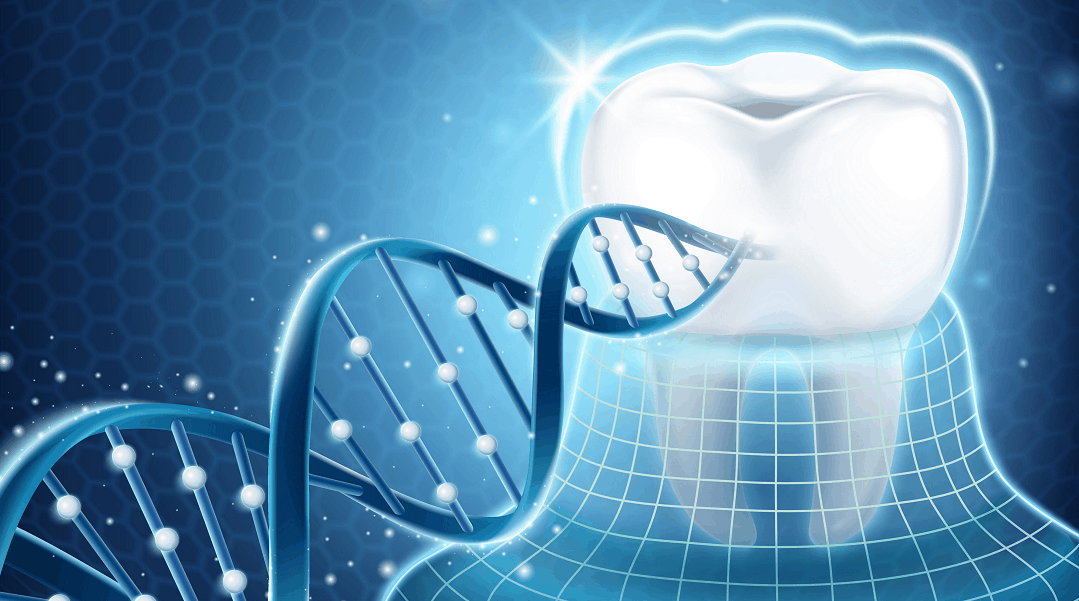
    Maintaining good oral hygiene is essential for preventing dental issues such as cavities, gum disease, and tooth decay. However, some individuals may be more prone to dental problems due to genetic factors. Understanding the role of genetics in oral health can help individuals take preventive measures to maintain good oral health. In this article, we will explore the role of genetics in oral health and how understanding your risk can help you take steps to maintain good oral health.


    Genetics and Oral Health

    Our genetic makeup plays a significant role in the development of the teeth, jawbone, and other oral structures. Certain genes are responsible for tooth development and enamel formation, while others determine the strength of the jawbone and the immune response to bacteria in the mouth. However, the study of genetics in oral health is still relatively new, and researchers are continuing to identify specific genetic factors that influence oral health.

    Understanding Your Genetic Risk

    While genetics may increase the risk for certain dental issues, it is essential to note that genetics alone do not determine oral health. Environmental factors such as diet, oral hygiene habits, and lifestyle choices also play a significant role. However, understanding your genetic risk can help you take preventive measures and make informed decisions about your oral health.

    Individuals with a family history of dental issues, such as gum disease or tooth decay, may be more likely to develop similar issues due to genetics. Additionally, certain genetic conditions, such as amelogenesis imperfecta and dentinogenesis imperfecta, can affect tooth development and cause dental problems. To determine your genetic risk for dental issues, you can talk to your dentist or a genetic counselor. They can evaluate your family history, conduct genetic testing, and provide personalized recommendations to help you maintain good oral health.

    Preventive Measures for Good Oral Health

    Whether you have a high genetic risk for dental issues or not, there are several preventive measures you can take to maintain good oral health. These include:
    1. Brushing and Flossing: Brushing twice a day and flossing once a day can help remove plaque and prevent cavities and gum disease.
    2. Eating a Healthy Diet: A diet rich in fruits, vegetables, and dairy products can provide essential nutrients for healthy teeth and gums.
    3. Regular Dental Check-ups: Regular dental check-ups can help identify dental issues early and prevent them from worsening.
    4. Avoiding Tobacco and Alcohol: Tobacco and alcohol can increase the risk of oral cancer, gum disease, and tooth decay.
    5. Managing Stress: Stress can increase the risk of teeth grinding, gum disease, and other dental issues. Managing stress through relaxation techniques and exercise can help prevent these issues.
  • The Benefits of Dental Implants: A Permanent Solution for Missing Teeth

    The Benefits of Dental Implants: A Permanent Solution for Missing Teeth

    Dental implants are a famous desire for human beings who’ve misplaced one or extra teeth.They are a permanent solution that can help restore your smile, improve your oral health, and boost your confidence. In this article, we will explore the benefits of dental implants and why they are considered one of the best options for replacing missing teeth.

    Dental Implants Look and Feel Like Natural Dental implants for teeth are designed to look like natural teeth. They are custom-made to match the shape and color of your existing teeth, and once they are in place, you can’t tell the difference between the implant and your real teeth. This is because the implant is fused to your jawbone, providing a stable and secure foundation for the replacement tooth.

    Dental Implants Can Improve Your Oral Health Losing teeth can cause the jawbone to deteriorate over time. This can cause problems with your remaining teeth, and it can also change the shape of your face. Dental implants help prevent this bone loss by stimulating the bone in your jaw, which helps to maintain its density and strength. This not only helps to preserve your oral health but can also prevent the need for additional dental procedures in the future..

    Dental Implants Are a Permanent Solution Dental implants are a permanent solution for missing teeth. Unlike dentures or other removable appliances, dental implants are designed to be a long-term solution. With proper care, they can last a lifetime, making them a great investment in your oral health.

    Dental Implants Can Improve Your Quality of Life Missing teeth can affect your ability to eat and speak, as well as your self-confidence. Dental implants can help restore your ability to eat your favorite foods, speak clearly, and smile with confidence. They can also improve your overall quality of life, helping you feel better about yourself and enjoy a better quality of life.

    Dental Implants Are Easy to Care For Dental implants are easy to care for, just like natural teeth. You simply need to brush and floss them regularly, and visit your dentist for regular check-ups and cleanings. With right care, your dental implants can remaining a lifetime.

    In conclusion, dental implants are a permanent solution for missing teeth that can improve your oral health, boost your confidence, and enhance your quality of life. If you’re lacking one or extra teeth, communicate in your dentist approximately whether or not dental implants are proper for you.

    “To gain a deeper understanding of the subject matter, we recommend viewing the video.”https://youtu.be/CrFU01jjKak

  • Smile Designing: The Key to Unlocking a Beautiful and Confident Smile

    Smile Designing: The Key to Unlocking a Beautiful and Confident Smile

    Smile designing is a cosmetic dental procedure that aims to improve the aesthetics of a person’s smile through various treatments tailored to their unique dental needs. A well-designed smile can significantly enhance a person’s self-confidence and overall well-being. This article will provide an overview of smile designing, its benefits, and what it entails.

    Initial Consultation: The first step in the smile designing process is an initial consultation with a dental professional. During this consultation, the dentist will assess the patient’s dental health and listen to their concerns and goals for their smile. The dentist may take photographs or impressions of the patient’s teeth to create a personalized treatment plan.

    Treatment Options: The treatments used in smile designing vary depending on the patient’s needs. Common procedures include tooth whitening, tooth bonding, veneers, and orthodontics.

    Teeth Whitening:

    Teeth whitening is a popular cosmetic dental treatment that can significantly enhance the appearance of a person’s smile. Professional teeth whitening involves using a bleaching agent to lighten the color of the teeth.

    Dental bonding is the process of applying tooth-colored resin to the tooth surface to improve the appearance of the tooth. Gluing can fix chips, gaps and discoloration.

    Veneers:

    Veneers are thin, custom-made shells that are placed on the front of your teeth to improve their appearance. Veneers can correct many
    cosmetic problems such as misaligned teeth, gaps and discoloration.

    Orthodontics:

    Orthodontic treatment can be used to correct crooked or crowded teeth, which can significantly impact a person’s smile. Options for orthodontic treatment include traditional metal braces, clear aligners, and lingual braces.

    Final Results: The final results of smile designing can be remarkable. Patients often report increased confidence and a more positive self-image after undergoing smile designing procedures. The dentist will work closely with the patient to achieve their desired results while ensuring that their oral health is not compromised.

    Conclusion: Smile designing is a cosmetic dental treatment that can significantly enhance the appearance of a person’s smile. Through a combination of procedures tailored to the individual’s unique needs, smile designing can address a variety of cosmetic dental concerns. If you are interested in enhancing your smile, speak to your dentist about the smile designing options available to you. With the right treatment, you can achieve a beautiful and confident smile that enhances your overall well-being.

    “To gain a deeper understanding of the subject matter, we recommend viewing the video.”https://youtu.be/AJyXTBcxQAg

  • 10 Things You Need to Know Before Getting Invisalign Braces

    10 Things You Need to Know Before Getting Invisalign Braces

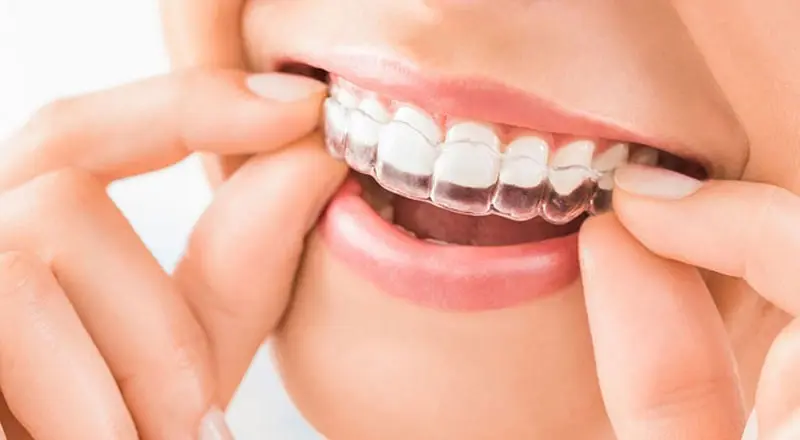
    If you are considering orthodontic treatment, Invisalign braces might be on your radar. Invisalign braces replace traditional braces and use clear, removable trays to gradually align your teeth to desired positions. Before making the decision to pursue Invisalign treatment, there are several important factors to consider.

    • Invisalign braces differ from traditional braces. While traditional braces use metal brackets and wires, Invisalign braces are made of clear aligners that fit over your teeth. This means you won’t have to deal with the aesthetic drawbacks of traditional braces, but it also means that the treatment process may be different.
    • Invisalign treatment can take longer than traditional braces. While the duration of Invisalign treatment will depend on your specific needs, it usually takes 12 to 18 months, which is longer than the average treatment time for traditional braces.
    • Wearing your Invisalign aligners is critical for the treatment to be effective. You must wear your aligners for 20 to 22 hours every day to get the desired results. You can remove them only for eating, brushing, and flossing.
    • You may experience some discomfort during Invisalign treatment. Like any orthodontic treatment, Invisalign braces can cause soreness or discomfort as your teeth shift into place.Over-the-counter pain relievers can be taken if needed.
    • Invisalign treatment requires discipline and responsibility. Unlike fixed traditional braces, Invisalign aligners are easy to remove.However, it’s essential to wear them for the recommended time each day and switch to the next set of aligners as directed.
    • You must clean your Invisalign aligners regularly. It’s important to clean your aligners every day to prevent bacteria buildup and ensure that they remain clear and transparent.
    • You’ll need to visit your orthodontist regularly during Invisalign treatment. While you won’t require as many office visits as you would with traditional braces, you’ll still need to visit your orthodontist every 4 to 6 weeks to monitor your progress and receive new aligners.
    • Invisalign braces may not be appropriate for everyone. Invisalign is effective for treating many common orthodontic issues, but it may not be suitable for more complex cases. Your orthodontist can help determine if Invisalign braces are right for you.
    • After completing your Invisalign treatment, you will need to wear your retainers.Once your Invisalign treatment is complete, you’ll need to wear a retainer to ensure that your teeth remain in their new position.
    • Invisalign treatment may cost more than traditional braces.The cost of Invisalign braces will depend on your specific needs and location, but it is generally more expensive than traditional braces.

    By keeping these ten factors in mind, you can make an informed decision about whether Invisalign braces are the right choice for you. Discuss any questions or concerns you may have with your orthodontist to ensure that you have a clear understanding of what to expect from the Invisalign braces treatment process.