...

Category: Implants and Dentures

  • Does Health Insurance Cover Dental Implant Surgery?

    Does Health Insurance Cover Dental Implant Surgery?

    Dental implant surgery is usually not fully covered by health insurance, especially in India. However, coverage can vary depending on your specific policy and situation.

    Is dental implants covered by insurance?

    In most cases, standard health insurance plans do not cover dental implants because they are often considered an elective or cosmetic procedure.

    In India specifically, dental implants are mostly excluded from regular insurance policies.

    When can insurance cover dental implants?

    There are a few exceptions where you may get partial or conditional coverage:

    • Accidental injury: If tooth loss is due to an accident, insurance may cover treatment
    • Medical necessity: If implants are required for serious health reasons (not cosmetic)
    • Add-on or OPD plans: Some policies offer limited dental coverage as an extra benefit
    • Partial reimbursement: Some insurers may cover a small portion or specific parts (like the crown)

    Coverage, if available, is usually limited, capped, and subject to waiting periods.

     What should you do?

    • Carefully check your insurance policy terms
    • Ask your insurer about dental or OPD add-ons
    • Get a cost estimate and pre-authorization (if applicable)

    Dental implants are generally an out-of-pocket expense, but partial support may be available in special cases. It’s always best to verify your policy details before starting treatment.

  • Can I Get A Dental Implant Years After Extraction?

    Can I Get A Dental Implant Years After Extraction?

     Yes, you can get a dental implant even years after a tooth extraction. In fact, many patients choose implants long after losing a tooth. However, the key factor that determines eligibility is the condition of your jawbone and gums, not how much time has passed.

    What happens over time after extraction?

    After a tooth is removed, the jawbone in that area may gradually shrink due to lack of stimulation. This can sometimes make implant placement more challenging.

    When implants are still possible

    You can still receive a dental implant years later if:

    • You have adequate bone volume and density
    • Your gums are healthy
    • There are no untreated oral infections

    What if bone is insufficient?

    If there has been bone loss, your dentist may recommend procedures like:

    • Bone grafting to rebuild lost bone
    • Sinus lift (for upper jaw implants)

    These treatments help create a strong foundation for the implant.

    Treatment timeline

    If additional procedures are needed, the overall treatment time may be longer (several months), but it significantly improves long-term success.

    Even if it’s been many years since your tooth extraction, dental implants are still a highly effective option. A proper dental evaluation will determine the best approach for your case and ensure a stable, long-lasting result.

  • What Are The Risk Factors Associated With Dental Implants?

    What Are The Risk Factors Associated With Dental Implants?

    Dental implants are generally very safe and successful, but like any surgical procedure, they do carry some risks. Understanding these risk factors helps in better planning and achieving a successful outcome.

    Common Risk Factors in Dental Implant

    • Infection at the implant site: Poor oral hygiene or contamination during/after surgery can lead to infection.
    • Gum problems (peri-implantitis): Inflammation around the implant can affect its stability if not treated early.
    • Nerve damage: Rare, but may cause numbness, tingling, or pain if the implant is placed too close to a nerve.
    • Sinus issues: Implants placed in the upper jaw may protrude into the sinus cavity if not properly planned.

    Patient-Related Risk Factors in Dental Implant

    • Smoking or tobacco use: Slows healing and increases the risk of implant failure.
    • Uncontrolled diabetes: Affects healing and increases infection risk.
    • Low bone density: Insufficient bone may require grafting before implant placement.
    • Poor oral hygiene: Increases chances of infection and long-term failure.

    Procedure-Related Factors in Dental Implant

    • Improper implant placement or planning
    • Low-quality materials or technique
    • Excessive force on the implant during healing

    How to Reduce Risks in Dental Implant

    • Choose an experienced and qualified implant specialist
    • Maintain good oral hygiene and follow aftercare instructions
    • Avoid smoking, especially during healing
    • Attend regular follow-up visits

    Although risks exist, dental implants have a very high success rate (95%+) when done correctly. Proper case selection, expert care, and good oral hygiene significantly minimize complications and ensure long-term success.

  • How Long Does It Take For The Full Procedure?

    How Long Does It Take For The Full Procedure?

    The complete dental implant process usually takes 3 to 6 months, but it can vary based on individual healing and treatment needs.

    Here’s a general timeline:

    • Consultation & planning: 1–2 visits
    • Implant placement surgery: 1 day
    • Healing period (osseointegration): 2–4 months
    • Abutment & crown placement: 1–2 weeks

    In some cases (like immediate loading), the crown may be placed sooner, but this depends on bone condition and clinical suitability.

    While dental implants may seem costly upfront, they are a long-term investment that offers durability, comfort, and a natural appearance. The treatment timeline may require patience, but it ensures strong and lasting results.

  • How much do dental implants cost in India?

    How much do dental implants cost in India?

    The cost of dental implants in India can vary depending on several factors, but they are generally more affordable compared to many other countries while maintaining high-quality standards.

    Cost of Dental Implants in India

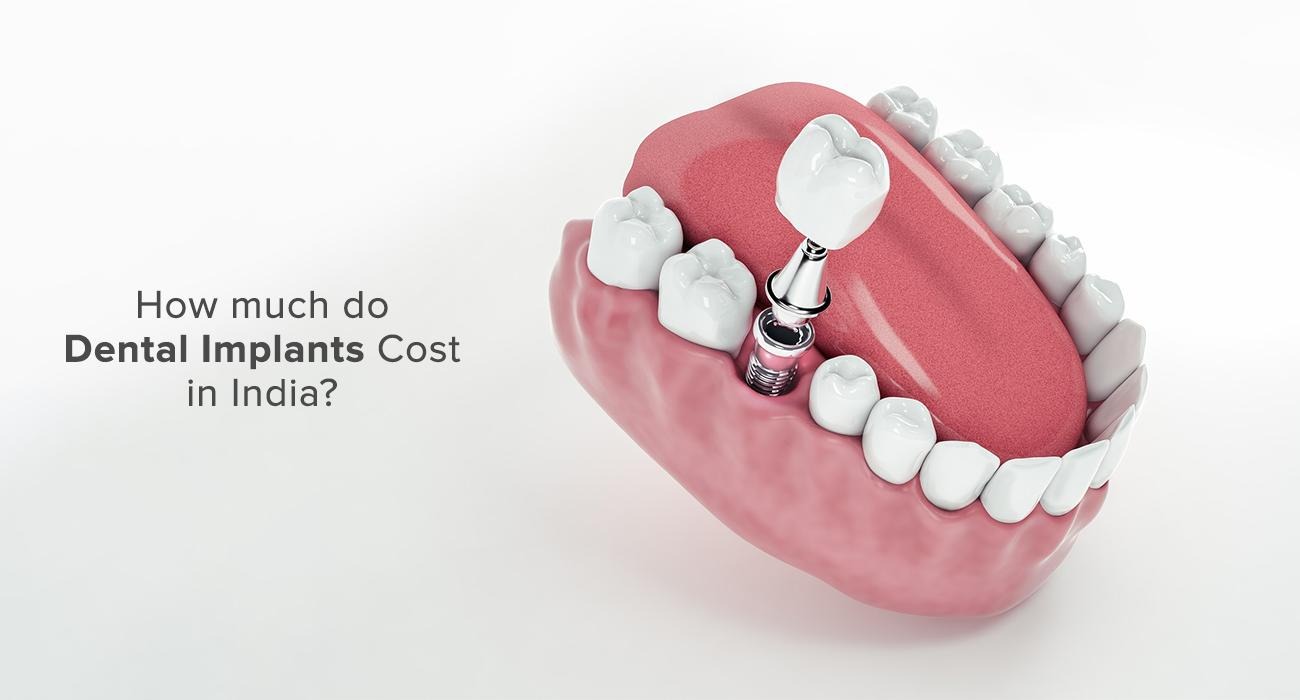
    A single dental implant in India typically costs between ₹25,000 to ₹60,000 or more per implant. The final price depends on:

    • Implant brand and material used
    • Experience of the dentist or implantologist
    • Location and facilities of the clinic
    • Type of crown (zirconia, ceramic, PFM, etc.)
    • Additional procedures like bone grafting or sinus lift (if required)

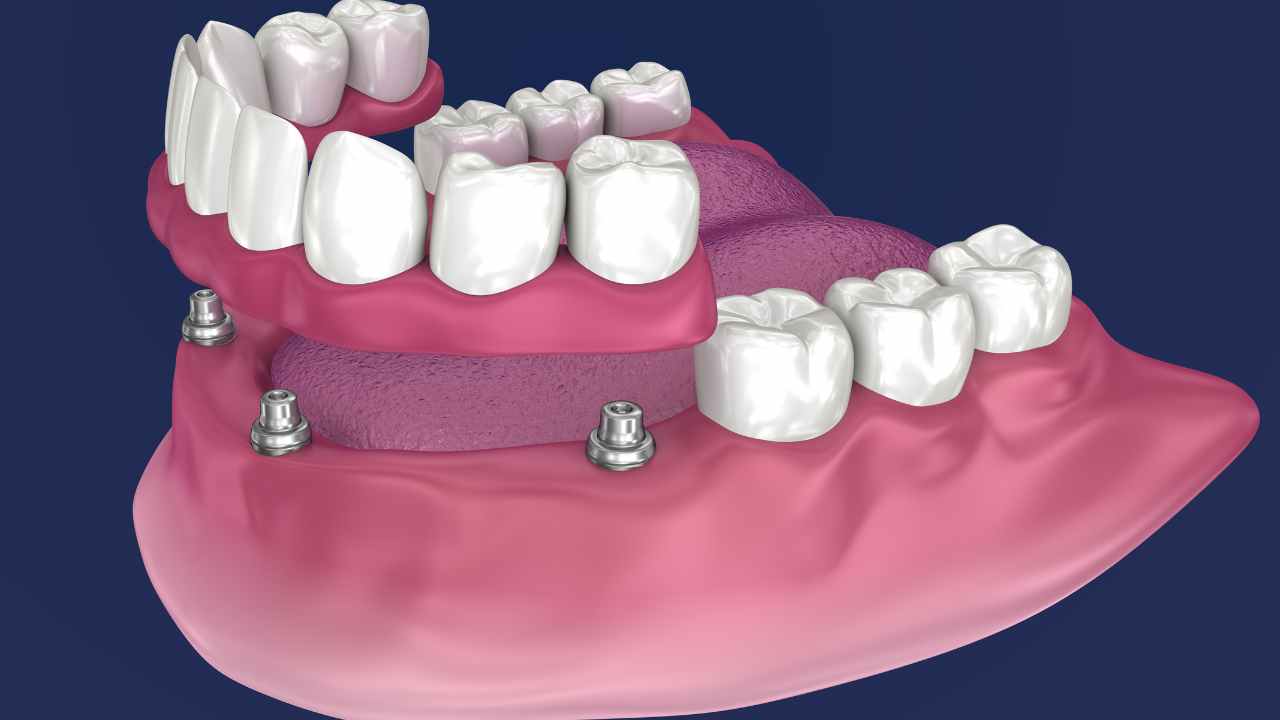
    For full-mouth rehabilitation (such as All-on-4 or All-on-6), the cost can range from ₹2.5 lakh to ₹6 lakh or more, depending on complexity.

  • Does Getting A Dental Implant Hurt?

    Does Getting A Dental Implant Hurt?

    Most patients are relieved to learn that getting a dental implant doesn’t hurt as much as they expect. The procedure is done under local anesthesia, so the area is completely numb—you may feel slight pressure, but no sharp pain during the surgery

    After the procedure, it’s normal to have mild soreness, swelling, or discomfort for a few days—similar to a tooth extraction. This can usually be managed easily with medications like Ibuprofen, along with rest and cold compresses.

    Most people return to their routine within 24–48 hours, and the discomfort gradually reduces as healing progresses. Following your dentist’s aftercare instructions plays a big role in keeping the recovery smooth and pain-free.

    Overall, while there may be temporary mild discomfort, dental implant treatment is considered a comfortable and well-tolerated procedure for most patients.

  • What Happens While Getting A Dental Implant?

    What Happens While Getting A Dental Implant?

    Getting a dental implant is a step-by-step procedure designed to safely replace a missing tooth with a strong, natural-looking alternative. Here’s what typically happens: 


    1. Initial Consultation & Planning

    Your dentist will examine your mouth, take X-rays or scans, and evaluate your bone health. A personalized treatment plan is created based on your needs.

    2. Implant Placement (Minor Surgery)

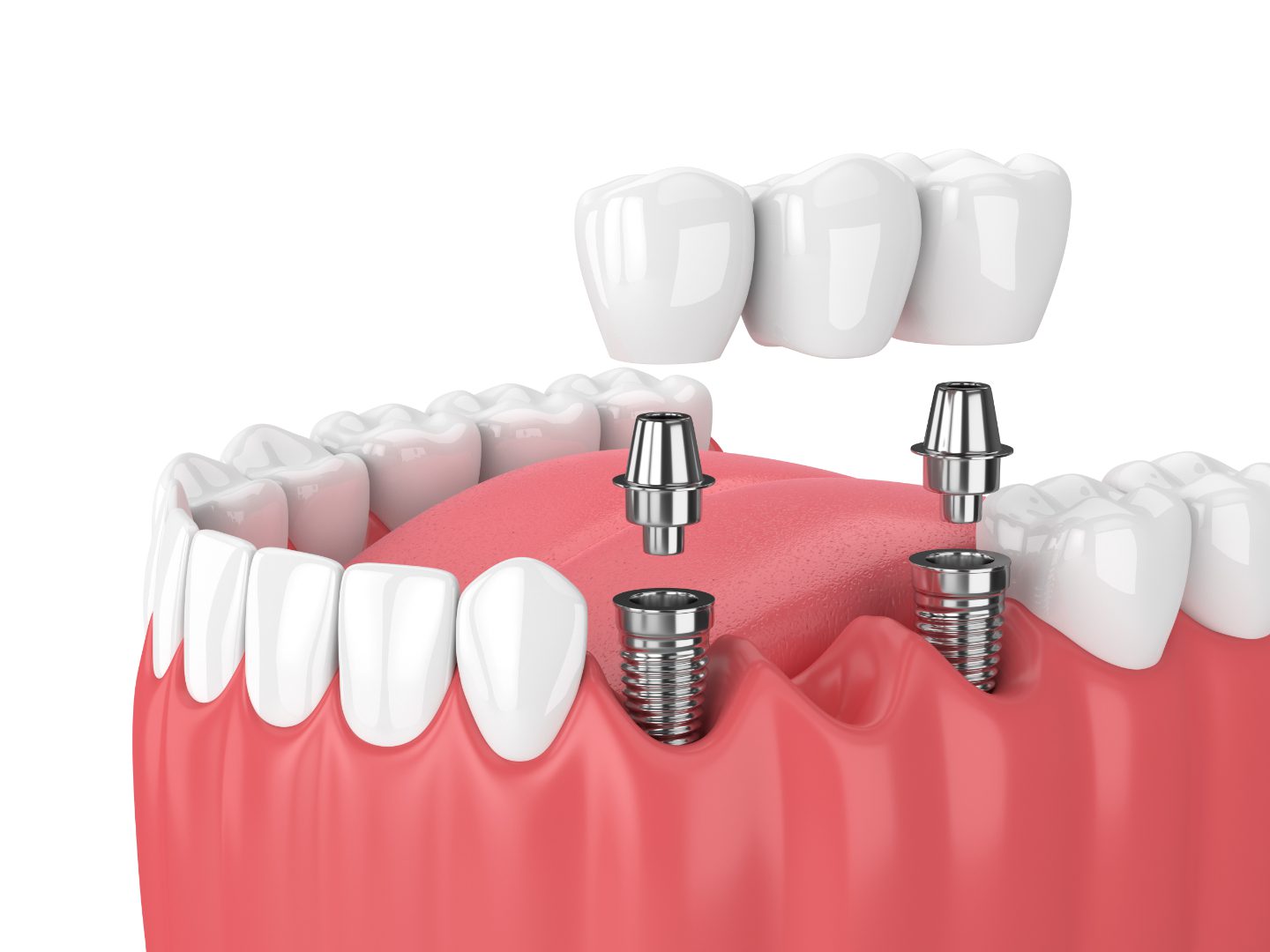
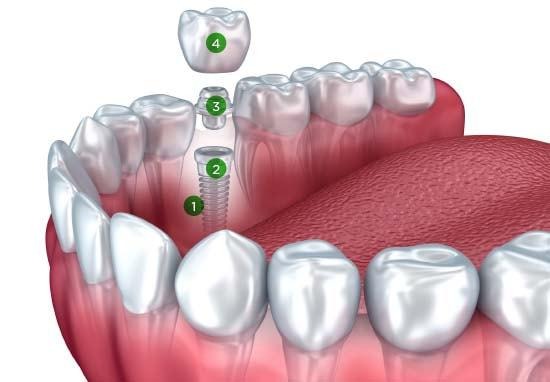
    Under local anesthesia, a small titanium implant is placed into your jawbone. The procedure is usually painless, and you may only feel slight pressure.

    3. Healing & Bone Fusion

    Over the next few weeks to months, the implant fuses with your jawbone through a natural process called Osseointegration, creating a strong and stable base.

    4. Abutment Placement

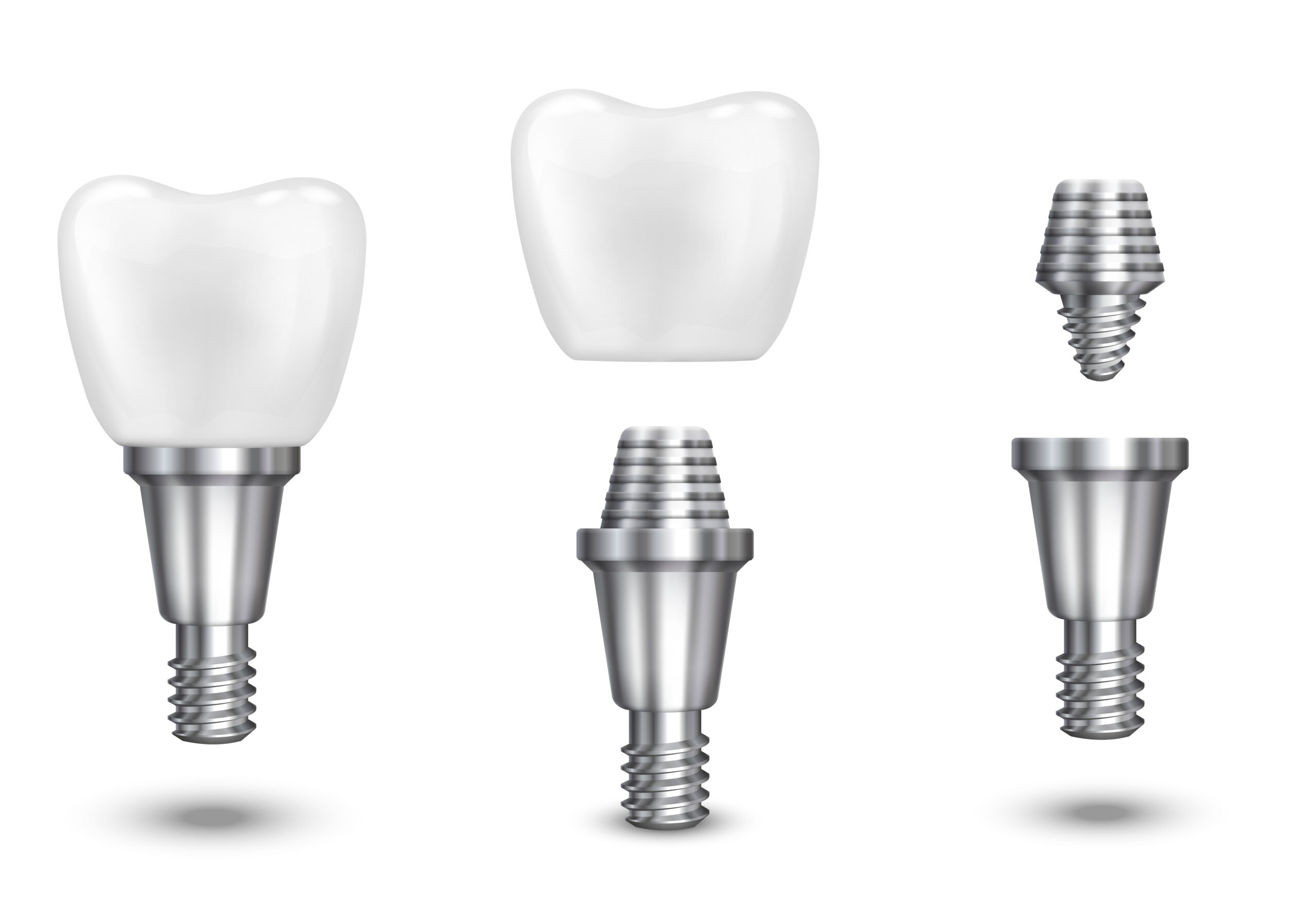
    Once healing is complete, a small connector (abutment) is attached to the implant. This will hold the final tooth.

    5. Crown Placement (Final Tooth)

    A custom-made crown is fixed on top of the abutment. It is designed to match your natural teeth in color and shape, giving you a seamless smile.

    Final Result

    After completion, the implant looks, feels, and functions like a natural tooth. With proper care, it can last for many years.

    Overall, the process is safe, well-planned, and done in stages to ensure the best long-term outcome.

  • Are Dental Implants Expensive? How Much Do They Cost?

    Are Dental Implants Expensive? How Much Do They Cost?

    The cost of dental implants can seem high at first, but it’s important to understand what you’re paying for and the long-term value they offer.

    How much do dental implants cost?

    In India, the cost of a single dental implant typically ranges from ₹25,000 to ₹60,000 or more per implant. The price can vary depending on several factors, such as:

    • Type and brand of implant used
    • Dentist’s experience and clinic setup
    • Need for additional procedures (bone graft, sinus lift, etc.)
    • Type of crown (zirconia, ceramic, etc.)

    Why are dental implants expensive?

    Dental implants involve advanced technology, high-quality materials, and precise surgical procedures. They also require multiple stages—from implant placement to crown fitting—over a few months. This ensures durability, safety, and natural-looking results.

    Are Dental Implants worth the cost?

    Yes, dental implants are considered a long-term investment. Unlike dentures or bridges, they can last many years—often a lifetime—with proper care. They also help prevent bone loss and maintain overall oral health, reducing future dental expenses.

    Worried about the cost? Many clinics offer flexible payment plans and EMI options.
    Book a consultation with a dental specialist today to get an accurate cost estimate and choose the best treatment plan that fits your budget and needs.

  • Are Dental Implants Safe?

    Are Dental Implants Safe?

    Yes, dental implants are considered very safe and reliable when performed by a qualified dentist or oral surgeon. In fact, they have a success rate of over 95% in most healthy patients and are widely used as a long-term solution for missing teeth. 

    Why Dental Implants Are Safe

    • Biocompatible materials: Implants are usually made of titanium, which is well accepted by the body.
    • Strong bone integration: The implant fuses with the jawbone through a process called Osseointegration, creating a stable and durable base.
    • Proven track record: Dental implants have been used successfully for decades with extensive clinical research backing their safety.
    • Improves oral health: They help preserve bone, maintain facial structure, and do not affect adjacent teeth.

    Are There Any Risks?

    Like any minor surgical procedure, there can be small risks such as infection, swelling, or delayed healing. However, these are rare and can usually be avoided with proper planning, hygiene, and aftercare. Patients with uncontrolled diabetes, heavy smoking habits, or low bone density may need special evaluation.

    If you’re considering dental implants but have safety concerns, the best step is a professional consultation. Book an appointment with an experienced dental specialist today to assess your condition and get a safe, personalized treatment plan for your smile.

  • Which Is The Best Brand Of Dental Implants? Why?

    Which Is The Best Brand Of Dental Implants? Why?

    There is no single “best” dental implant brand for everyone, because the right choice depends on your bone condition, budget, and treatment needs. However, some global brands are widely considered top-quality due to their high success rates, long-term research, and advanced technology

    Top Dental Implant Brands  

    Straumann – Often considered a premium brand worldwide, known for strong materials and faster healing technology.

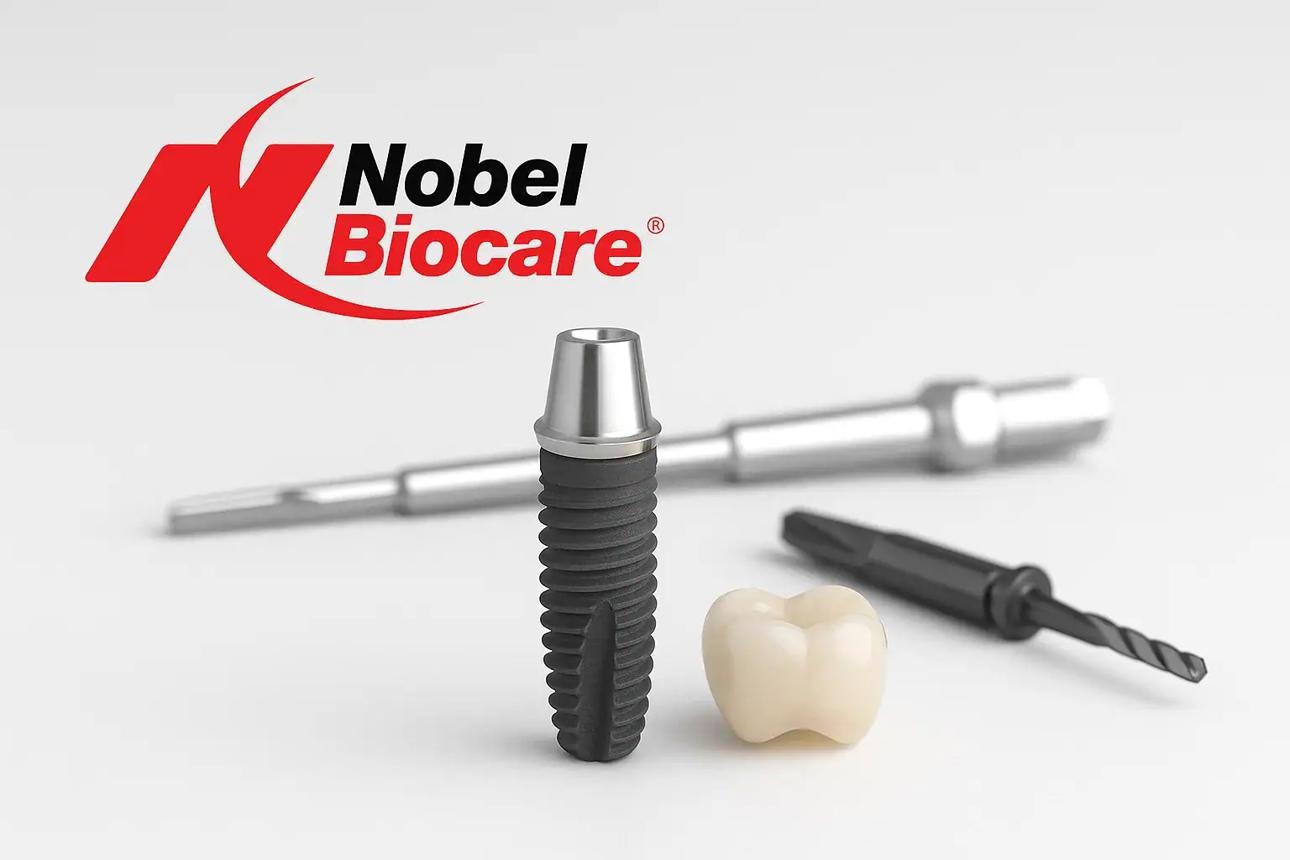
    Nobel Biocare – A pioneer in implant dentistry, famous for innovations like All-on-4 and long-term stability.

    Zimmer Biomet – Known for unique designs that promote strong bone integration.

    Dentsply Sirona – Offers reliable and versatile implant systems for different cases.

    BioHorizons – Recognized for precision and aesthetic results.

    Why These Brands Are Considered the Best

    • High success rate (95%+) with long-term durability
    • Extensive clinical research (10–20 years of data for top brands)
    • Advanced materials & surface technology for better bone bonding
    • Global trust and usage by experienced dentists
    • Options for different cases (single tooth, full mouth, low bone, etc.)

    In reality, the dentist’s expertise and proper case selection matter more than the brand itself. Even the best implant brand won’t give good results without proper planning and surgical skill.

    Still confused about which implant brand is right for you? Don’t guess. Consult a qualified dental implant specialist who can evaluate your condition and recommend the best option.