Youdent Hospital

Category: Implants and Dentures

  • How Painful Is The Dental Implant Procedure?

    How Painful Is The Dental Implant Procedure?

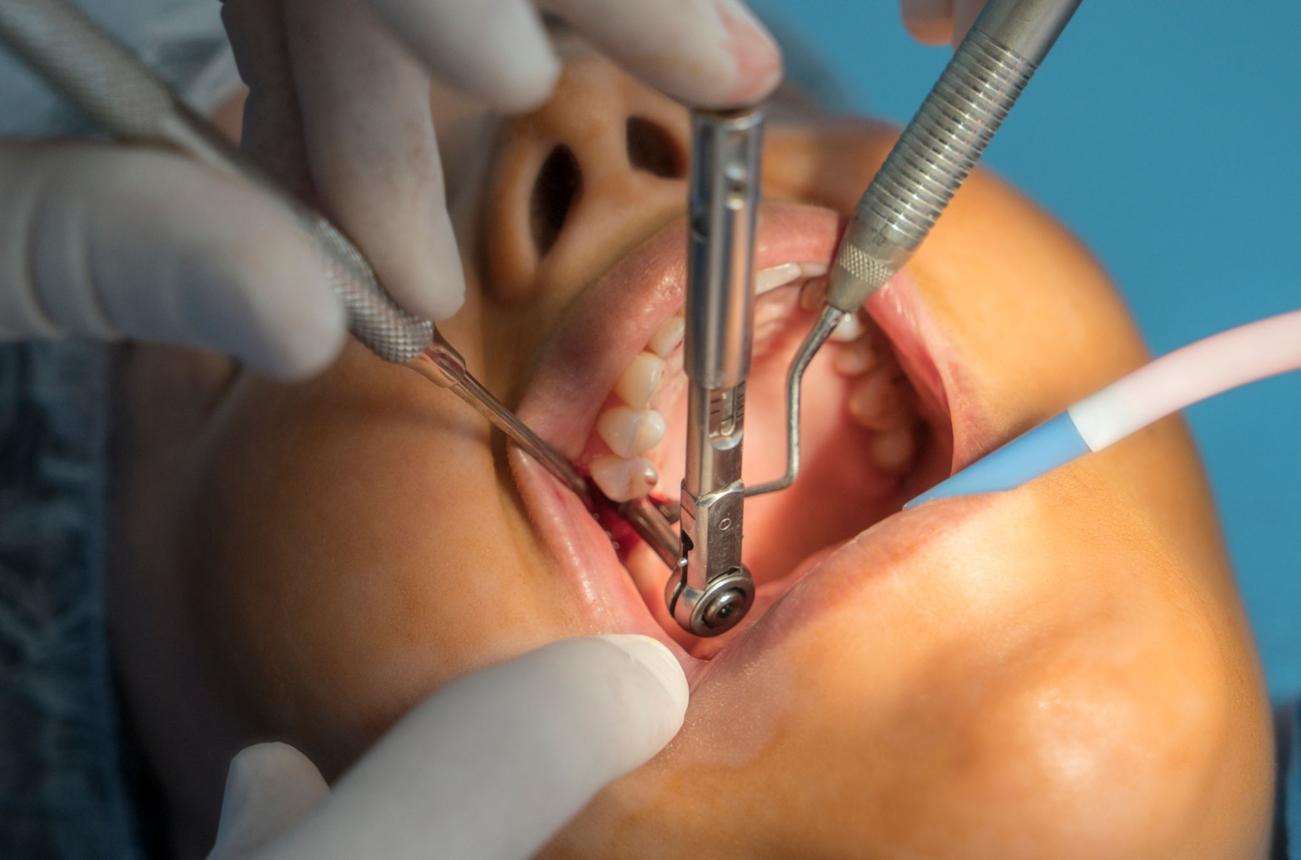
    Most people are surprised to learn that dental implant procedures are not very painful. The surgery is performed under local anesthesia, so you won’t feel pain during the procedure—only slight pressure or vibration. 

    After the procedure, it’s normal to experience mild discomfort, swelling, or soreness for a few days. This is similar to what you might feel after a tooth extraction. Most patients manage it easily with prescribed or over-the-counter pain medication like Ibuprofen and simple care such as rest and cold compresses.

    Recovery varies from person to person, but many people return to their routine within 1–2 days. Following your dentist’s instructions helps ensure faster healing and minimal discomfort.

    If you’re worried about pain or considering dental implants, don’t wait. Consult an experienced dental specialist to understand your options and get personalized guidance. Book your appointment today and take the first step toward a confident, pain-free smile!

  • What Is Dental Implant Surgery?

    What Is Dental Implant Surgery?

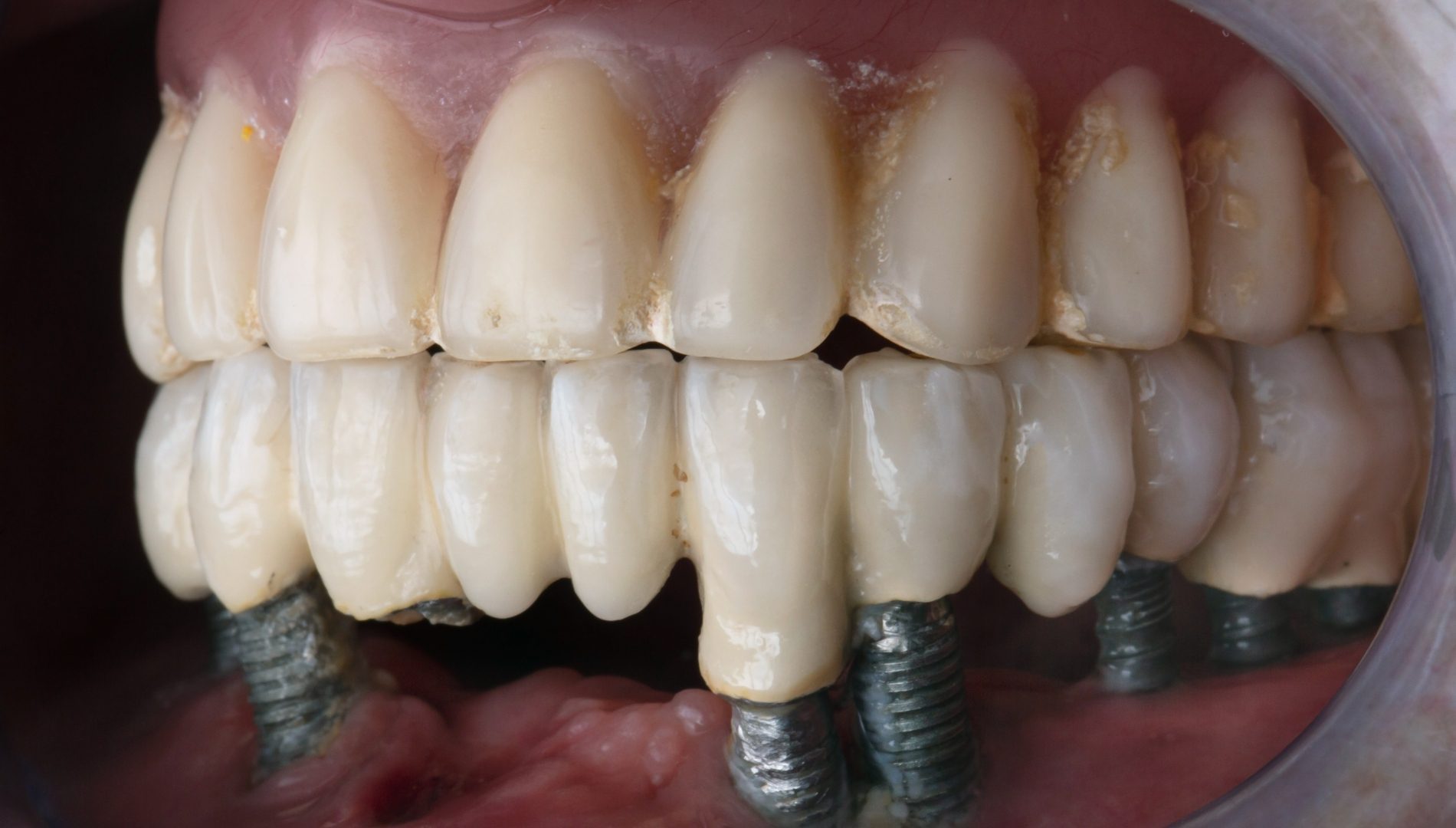
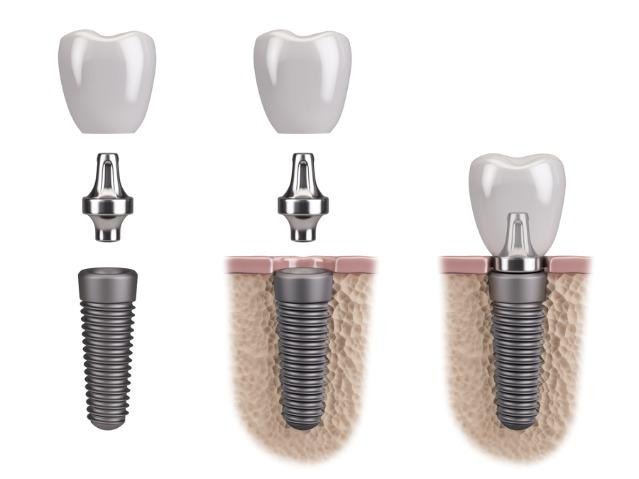
    Dental implant surgery is a minor surgical procedure used to replace missing teeth with artificial tooth roots and crowns. It involves placing a small, screw-like post—usually made of titanium—into the jawbone to act as a strong foundation for a replacement tooth. 

    During the procedure, a dentist or oral surgeon makes a small incision in the gums and carefully inserts the implant into the bone. Over the next few weeks to months, the implant fuses with the jawbone through a natural process called Osseointegration, creating a stable base.

    Once healing is complete, an abutment (connector) is attached to the implant, and a custom-made crown (artificial tooth) is placed on top. The final result looks and functions like a natural tooth.

    Dental implant surgery is usually performed under local anesthesia and is considered safe and routine. It is commonly recommended for people who have one or more missing teeth and want a permanent, durable, and natural-looking replacement option.

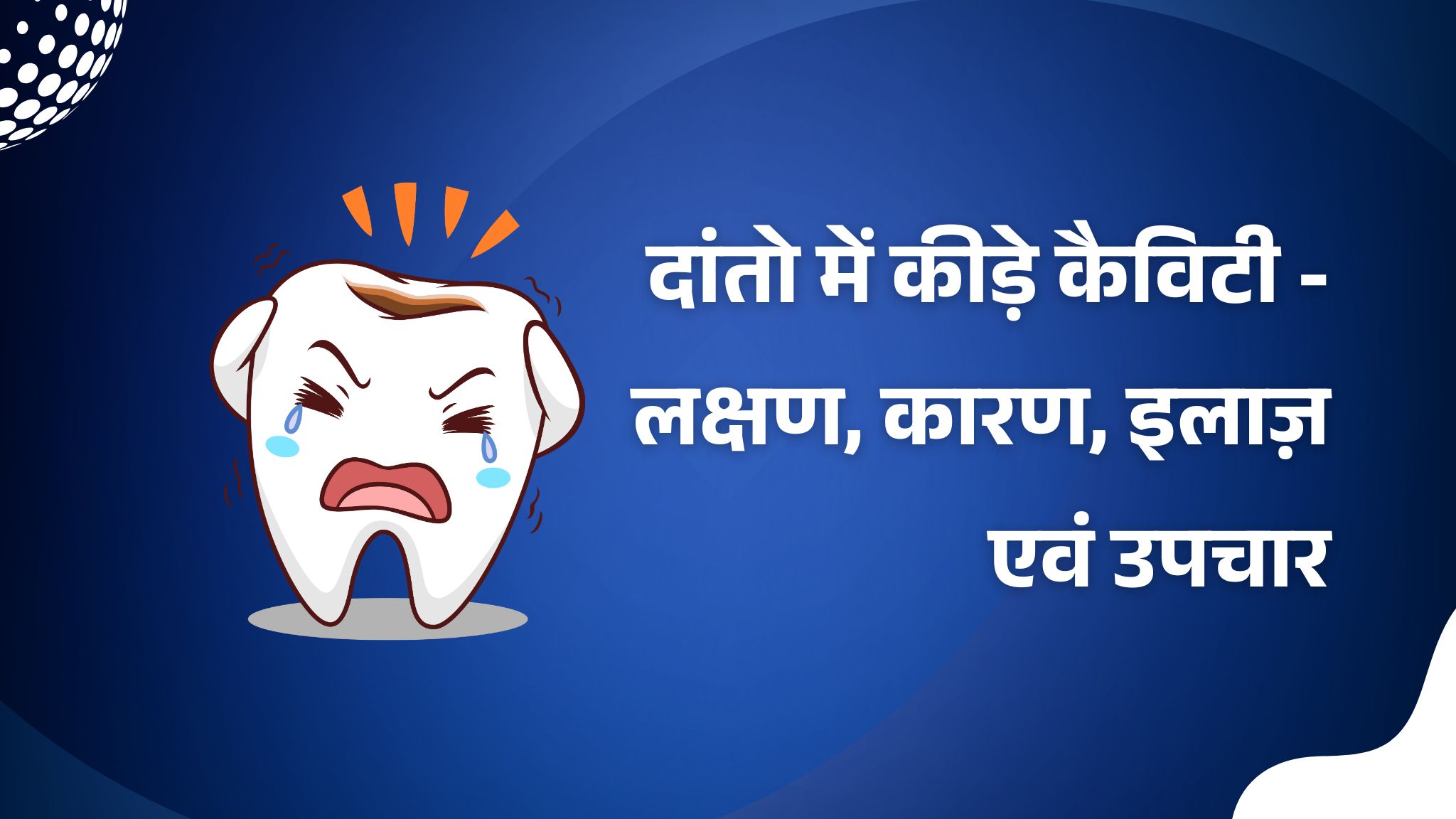
  • दांतो में कीड़े कैविटी – लक्षण, कारण, इलाज़ एवं उपचार

    दांतो में कीड़े कैविटी – लक्षण, कारण, इलाज़ एवं उपचार

    दांतो में कीड़े लगना, जिसे हम कैविटी के नाम से जानते हैं, एक आम समस्या है जो हर किसी को प्रभावित कर सकती है। छोटे-छोटे कीटाणु धीरे-धीरे दांतों के तामझाम को नष्ट करना शुरू करते हैं और इससे दर्द, संवेदनशीलता और अन्य समस्याएं हो सकती हैं। क्या आप जानते हैं कि आपके दांतों का स्वास्थ्य सिर्फ आपकी मुस्कान पर ही नहीं बल्कि आपके समग्र स्वास्थ्य पर भी प्रभाव डाल सकता है? इस लेख में हम चर्चा करेंगे कि दांतों में कीटाणु लगने के लक्षण क्या होते हैं, इसके कारण और उपचार विधियाँ क्या हो सकती हैं। साथ ही जानेंगे कुछ घरेलू उपाय जो आपको इन परेशानियों से बचाने में मदद कर सकते हैं। तो चलिए इस विषय पर गहराई से नजर डालते हैं!

    दांतों में कीटाणु का लगना क्या है ? (Teeth Cavities Treatment in Hindi)

    दांतों में कीटाणु लगना एक चिकित्सा स्थिति है, जिसमें दांतों के ऊतकों पर बैक्टीरिया का संक्रमण होता है। ये बैक्टीरिया भोजन में मौजूद शर्करा को खाते हैं और इसके परिणामस्वरूप एसिड उत्पन्न करते हैं। यह एसिड धीरे-धीरे दांतों की संरचना को कमजोर करता है।

    जब यह प्रक्रिया जारी रहती है, तब कैविटी बनती है। प्रारंभिक अवस्था में कोई खास लक्षण नहीं दिखते, लेकिन जैसे-जैसे स्थितियां बढ़ती हैं, दर्द और संवेदनशीलता महसूस होने लगती है। दांतों का स्वास्थ्य न सिर्फ आपकी मुस्कान को प्रभावित करता है बल्कि आपके समग्र स्वास्थ्य से भी जुड़ा हुआ होता है। इसीलिए इसे नजरअंदाज करना सही नहीं होता। उचित देखभाल और सावधानियों के माध्यम से हम इन समस्याओं से बच सकते हैं।

    दांतों में कीटाणु लगने के लक्षण क्या है ? ( Symptoms of Teeth Cavities in Hindi)

    दांतों में कीटाणु लगने के लक्षण अक्सर धीरे-धीरे विकसित होते हैं। प्रारंभिक चरण में कई लोग किसी प्रकार का दर्द महसूस नहीं करते। लेकिन जैसे-जैसे समस्या बढ़ती है, दांतों में हल्का सा दर्द या संवेदनशीलता अनुभव होने लगता है।

    यदि आपको ठंडी या गर्म चीज़ें खाने पर असहजता होती है, तो यह एक संकेत हो सकता है कि कैविटी बन रही है। इसके अलावा, दांतो का रंग बदलना भी एक महत्वपूर्ण लक्षण होता है। अगर आप अपने दाँतों पर काली धारियाँ देख रहे हैं, तो इसे नजरअंदाज न करें। कभी-कभी मुँह से बदबू आना भी इसकी पहचान हो सकती है। यदि ऐसा होता है और साथ ही दांतों में छिद्र दिखाई देते हैं, तो तुरंत चिकित्सकीय मदद लें। ये सभी संकेत आपके लिए चेतावनी हो सकते हैं कि आपकी मौखिक स्वास्थ्य स्थिति ठीक नहीं चल रही है।

    दांतों में कीटाणु लगने के क्या प्रकार है ? (Types of Teeth Cavities in Hindi)

    दांतों में कीटाणु लगने के कई प्रकार होते हैं। इनकी पहचान करना महत्वपूर्ण है, ताकि सही उपचार किया जा सके।

    सबसे सामान्य प्रकार है रेस्ट्रेक्टिव कैविटी, जो दांतों के बाहरी सतह को प्रभावित करती है। यह अक्सर सड़न या टूटने का कारण बनती है। फिर आता है प्रोग्रेसिव कैविटी, जिसमें संक्रमण गहराई तक पहुंच सकता है। यह दांतों की संरचना को गंभीरता से नुकसान पहुँचाता है और दर्द का कारण बन सकता है। अंत में, हम स्पेशलाइज्ड कैविटीज़ की बात कर सकते हैं। ये विशेष स्थितियों जैसे बुढ़ापे या कुछ चिकित्सा समस्याओं से संबंधित होती हैं। हर एक प्रकार में अलग-अलग लक्षण और इलाज हो सकते हैं। इसलिए जल्दी पहचानना जरूरी होता है ताकि उचित कदम उठाए जा सकें।

    दांतों में कीटाणु लगने के कारण क्या है ? (Causes of Teeth Cavities in Hindi)

    दांतों में कीटाणु लगने के कई कारण होते हैं। सबसे प्रमुख कारण है शारीरिक स्वच्छता का अभाव। जब हम नियमित रूप से अपने दांतों को नहीं साफ करते, तो बैक्टीरिया बढ़ने लगते हैं।

    शर्करा युक्त खाद्य पदार्थ भी महत्वपूर्ण भूमिका निभाते हैं। चॉकलेट, मीठी बर्फी या अन्य मिठाइयाँ दांतों पर चिपक जाती हैं और ये बैक्टीरिया के लिए भोजन का काम करती हैं। धूम्रपान और शराब सेवन जैसी आदतें भी नुकसान पहुंचाती हैं। इनसे न केवल दांत कमजोर होते हैं, बल्कि मुंह में मौजूद बैक्टीरिया की संख्या भी बढ़ती है। कुछ लोग डेंटल चेकअप को नजरअंदाज करते हैं। यह एक गंभीर गलती है क्योंकि समय-समय पर जांच कराना जरूरी होता है ताकि समस्या शुरू होने से पहले पता चल सके।

    दांतों में लगें कीटाणुओं से हम कैसे खुद क बचाव कर सकते है ? (Prevention of Teeth Cavities in Hindi)

    दांतों में कीटाणुओं से बचाव करना बेहद जरूरी है। सबसे पहले, नियमित ब्रशिंग को अपनी दिनचर्या का हिस्सा बनाएं। दिन में दो बार दांतों को अच्छे से ब्रश करें।

    फ्लॉस का इस्तेमाल भी न भूलें। यह दांतों के बीच की सफाई करता है, जहां ब्रश नहीं पहुंच पाता। स्वस्थ आहार अपनाना मददगार साबित होता है। शुगर और कार्बोहाइड्रेट्स कम मात्रा में लें, क्योंकि ये बैक्टीरिया के लिए भोजन का काम करते हैं। पानी पीने की आदत डालें, खासकर खाने के बाद। इससे मुँह की सफाई होती है और एसिडिटी कम होती है। नियमित रूप से डेंटिस्ट के पास जाना न भूलें। समय पर चेकअप कराने से समस्याओं को जल्दी पहचान सकते हैं और इलाज करवा सकते हैं।

    दांतों में लगें कीटाणु से बचाव का घरेलु उपाय (Teeth Cavities Gharelu Upchar)

    दांतों में कीटाणुओं से सुरक्षा के लिए घरेलू उपाय बेहद प्रभावशाली हो सकते हैं। सबसे पहले, अपने दैनिक ब्रशिंग रूटीन को मजबूत बनाएं। हल्के नमक और नींबू का पेस्ट बनाकर दांतो पर लगाना लाभकारी है। यह न केवल कीटाणुओं को खत्म करता है, बल्कि दांतों की चमक भी बढ़ाता है।

    फिर, तुलसी के पत्ते चबाने का प्रयास करें। इसमें एंटी-माइक्रोबियल गुण होते हैं जो बैक्टीरिया के विकास को रोकते हैं। इसके अलावा, अदरक और शहद का मिश्रण भी उपयोगी होता है; यह प्राकृतिक एन्टीसेप्टिक का काम करता है। गर्म पानी में एक चुटकी बेकिंग सोडा मिलाकर कुल्ला करने से मुंह में मौजूद खतरनाक बैक्टीरिया कम होते हैं। इन सरल उपायों को अपनाकर आप अपने दांतों की सेहत को बेहतर बना सकते हैं।

    दांतों में लगें कीटाणुओं का इलाज कैसे किया जाता है ? ( Treatment of Teeth Cavities in Hindi)

    दांतों में लगें कीटाणुओं का इलाज करना बहुत महत्वपूर्ण है। पहला कदम हमेशा एक दंत चिकित्सक से संपर्क करना होता है। वह आपकी स्थिति के अनुसार सही उपचार योजना तैयार कर सकते हैं।

    यदि कैविटी गंभीर नहीं है, तो फ्लोराइड ट्रीटमेंट मददगार हो सकता है। यह दांतों को मजबूत बनाता है और क्षति को बढ़ने से रोकता है। गंभीर स्थितियों में भराई (फिलिंग) की जाती है। इसमें प्रभावित भाग को हटाकर उसे विशेष सामग्री से भरा जाता है। कुछ मामलों में रूट कनाल ट्रीटमेंट भी आवश्यक हो सकता है, जहां दांत के अंदरूनी हिस्से की सफाई की जाती है। इसके बाद इसे फिर से सील किया जाता है, जो कि (Root Canal Treatment in Jaipur) के रूप में किया जाता है।

    अंततः, नियमित चेक-अप और उचित देखभाल इलाज का हिस्सा होते हैं ताकि भविष्य में समस्याओं से बचा जा सके।

    निष्कर्ष

    दांतों में कीड़े लगना, जिसे कैविटी भी कहा जाता है, एक सामान्य समस्या है। यह समस्या न केवल आपके दांतों को नुकसान पहुंचा सकती है, बल्कि आपके समग्र स्वास्थ्य पर भी असर डाल सकती है। यदि आप लक्षणों का ध्यान रखें और उचित उपचार करें, तो आप इस स्थिति को काफी हद तक नियंत्रित कर सकते हैं। यह जरूरी है कि हम सही जानकारी रखकर खुद को जागरूक बनाएं। दांतों की सफाई और नियमित चेकअप से आप कई समस्याओं से बच सकते हैं। घरेलू उपाय जैसे नमक या हल्दी का उपयोग करना मददगार हो सकता है, लेकिन गंभीर स्थितियों के लिए पेशेवर चिकित्सा सलाह लेना अनिवार्य होता है। इसलिए अपने दांतो की देखभाल करें और संतुलित आहार लें ताकि आपको कैविटीज़ जैसी समस्याओं का सामना न करना पड़े। याद रखें कि आपकी मौखिक स्वच्छता ही आपकी मुस्कान की रक्षा करती है।    
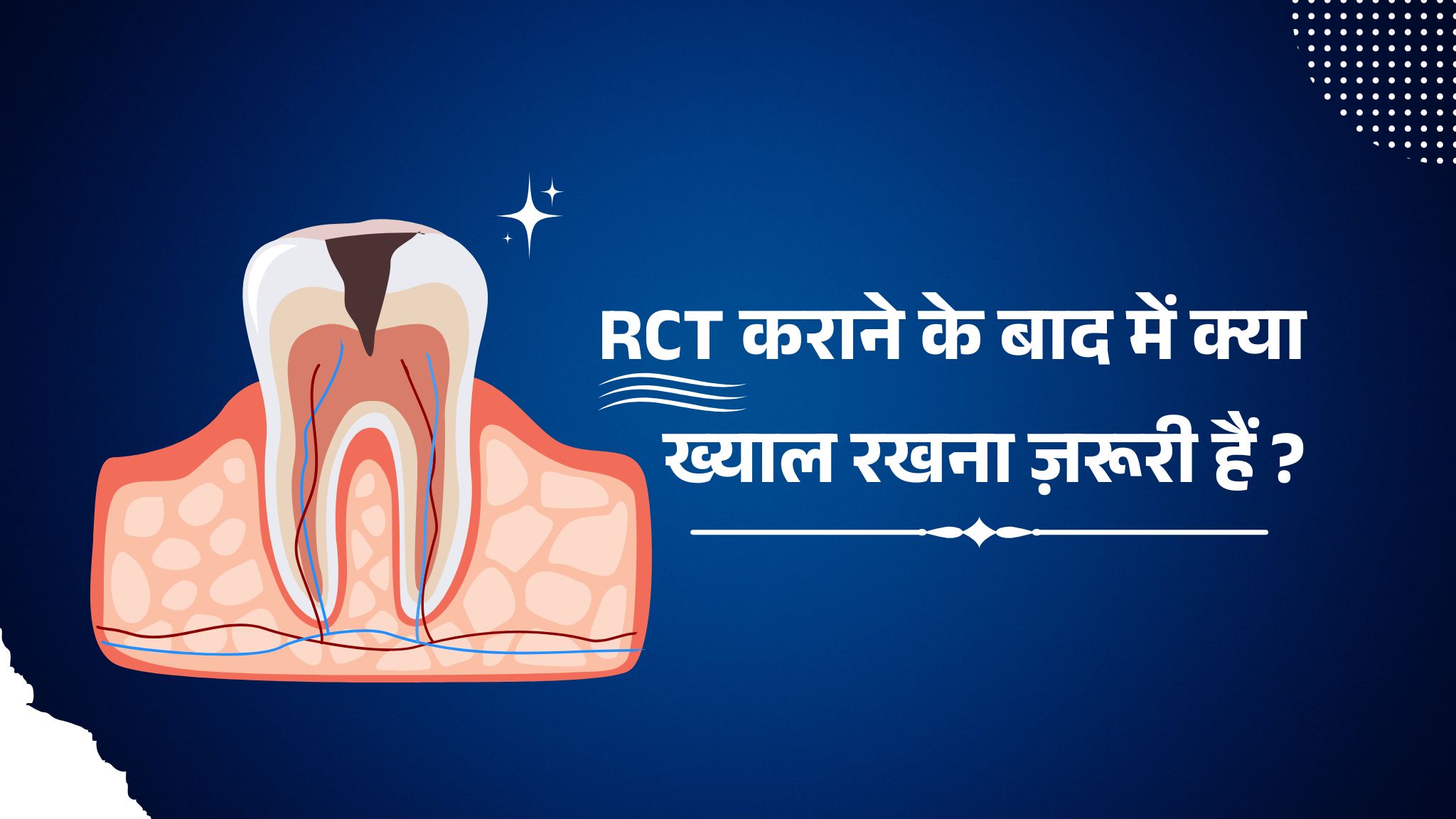
  • RCT कराने के बाद में क्या ख्याल रखना ज़रूरी हैं Root Canal Precautions in Hindi

    RCT कराने के बाद में क्या ख्याल रखना ज़रूरी हैं Root Canal Precautions in Hindi

    दांतों की सेहत हमारे समग्र स्वास्थ्य के लिए बेहद महत्वपूर्ण होती है। कई बार, दांतों में संक्रमण या सड़न इतनी बढ़ जाती है कि रूट कैनाल ट्रीटमेंट (RCT) करवाना आवश्यक हो जाता है। यह एक प्रक्रिया है जो न केवल दर्द को कम करती है, बल्कि आपके दांतों को बचाने का भी काम करती है। लेकिन RCT कराने के बाद कुछ विशेष बातों का ध्यान रखना बहुत जरूरी होता है।

    क्या आप जानते हैं कि इस उपचार के बाद आपको किन चीज़ों का ख्याल रखना चाहिए? चलिए, हम समझते हैं RCT क्या होता है और इसके महत्व को साथ ही जानेंगे वो सभी बातें जो आपको इस प्रक्रिया के दौरान और उसके बाद ध्यान में रखनी चाहिए।

    RCT क्या होता है

    RCT, या रूट कैनाल ट्रीटमेंट, एक सामान्य दंत चिकित्सा प्रक्रिया है। इसका मुख्य उद्देश्य संक्रमित या क्षतिग्रस्त दांतों को बचाना है। जब दांत के अंदरूनी हिस्से, जिसे पल्प कहते हैं, में संक्रमण हो जाता है तो यह दर्द और सूजन का कारण बनता है।

    इस प्रक्रिया में सबसे पहले दांत की सफाई की जाती है। फिर संक्रमित पल्प को हटाया जाता है और खोखले स्थान को अच्छे से साफ किया जाता है। अंत में, इसे एक विशेष सामग्री से भरा जाता है ताकि भविष्य में कोई समस्या न आए।

    RCT कराने के बाद कई लोग सोचते हैं कि उनके लिए यह अनुभव असहनीय होगा। लेकिन सही देखभाल और डॉक्टर की सलाह से यह उपचार अपेक्षाकृत सरल होता है। स्मार्ट चॉइसेस करने पर आप अपने दांतों को लंबे समय तक स्वस्थ रख सकते हैं।

    इसका महत्व क्या है

    रूट कैनाल ट्रीटमेंट (RCT) का महत्व न केवल दांतों की सेहत में है, बल्कि यह हमारे समग्र स्वास्थ्य पर भी प्रभाव डालता है। जब कोई दांत गंभीर रूप से संक्रमित या क्षतिग्रस्त होता है, तो उसे बचाना जरूरी होता है। RCT इस स्थिति को सुधारने का एक प्रभावी तरीका है।

    बिना रूट कैनाल के, संक्रमण अन्य दांतो और मसूड़ों में फैल सकता है। इससे दर्द, सूजन और यहां तक कि अस्थायी रूप से मुंह खोलने में कठिनाई हो सकती है।

    इसके अलावा, RCT करने से आप अपने प्राकृतिक दातों को बनाए रख सकते हैं। यह लंबे समय तक आपको मौखिक स्वास्थ्य की बेहतर स्थिति प्रदान करता है।

    इस प्रक्रिया के बाद आपके लिए सामान्य जीवन जीना आसान होता है क्योंकि आप फिर से सुरक्षित तरीके से खा-पी सकते हैं बिना किसी डर के।

    RCT करवाने से पहले जानने योग्य बातें

    रूट कैनाल ट्रीटमेंट (RCT) करवाने से पहले कुछ महत्वपूर्ण बातों का ध्यान रखना चाहिए। सबसे पहले, अपने डेंटिस्ट के साथ पूरी जानकारी साझा करें। यदि आपको किसी प्रकार की एलर्जी है या कोई अन्य स्वास्थ्य समस्या है, तो उसे बताना न भूलें।

    दूसरी बात, एक अच्छी चिकित्सक चुनना आवश्यक है। विशेषज्ञता और अनुभव आपके उपचार के परिणाम को प्रभावित कर सकते हैं। विभिन्न डॉक्टरों की सलाह भी लें ताकि सही निर्णय लिया जा सके।

    इसके अलावा, प्रक्रिया के दौरान होने वाली असुविधा को लेकर मानसिक तैयारी करें। कई लोग इस प्रक्रिया को लेकर चिंतित रहते हैं लेकिन यह आमतौर पर दर्द रहित होती है।

    अंत में, RCT कराने से पहले उस दिन खाने-पीने की आदतों पर ध्यान दें। हल्का नाश्ता करना बेहतर होता है ताकि आप कमजोर महसूस न करें।

    RCT करवाने की प्रक्रिया

    RCT, या रूट कैनाल ट्रीटमेंट, एक संवेदनशील प्रक्रिया है। इसे कई चरणों में किया जाता है। पहले स्टेप में, डेंटिस्ट प्रभावित दांत की सटीक पहचान करते हैं।

    फिर एक्स-रे किया जाता है ताकि दांत के अंदर की स्थिति का पता चल सके। यह जानकारी महत्वपूर्ण होती है। इसके बाद अनेस्थीसिया दिया जाता है ताकि मरीज को कोई दर्द न हो।

    डेंटिस्ट फिर दांत के ऊपरी हिस्से को काटते हैं और पल्प तक पहुंचते हैं। संक्रमित या क्षतिग्रस्त पल्प को निकाला जाता है।

    इसके बाद, दांत को अच्छी तरह साफ किया जाता है और उसे भरने की तैयारी की जाती है। अंतिम चरण में, विशेष सामग्री से भराई होती है जिससे दांत सुरक्षित रहता है और उसकी कार्यक्षमता बरकरार रहती है, जो कि (Root Canal Treatment in Jaipur) के तहत किया जाता है।

    रूट कैनाल के बाद खाने योग्य खाद्य पदार्थ Root Canal Ke Baad Kya Khaye

    रूट कैनाल के बाद, सही खाद्य पदार्थों का चुनाव बेहद महत्वपूर्ण है। यह न केवल आपकी सेहत के लिए फायदेमंद है, बल्कि आपके दांतों की रिकवरी में भी मदद करता है।

    आप हल्की और सौम्य खाद्य वस्तुएं चुन सकते हैं। जैसे कि दही, प्यूरी या सूप इन दिनों बहुत अच्छे विकल्प हो सकते हैं। ये खाने में आसान होते हैं और दर्द का अनुभव नहीं देते।

    कुछ समय तक ठोस या कुरकुरी चीजें खाने से बचना चाहिए। जैसे कि चिप्स या कच्ची सब्जियां, जो आपके उपचारित क्षेत्र को नुकसान पहुंचा सकती हैं।

    शीतल पेय और गर्म मसालेदार भोजन से भी दूर रहना बेहतर होता है। इससे सूजन बढ़ सकती है और आराम करने में समस्या आ सकती है।

    पानी पीना ना भूलें; यह स्वास्थ्य के लिए सबसे अच्छा रहता है और मुँह को हाइड्रेटेड रखता है।

    एक चम्मच कोल्ड क्रीम में वनीला एक्सट्रेक्ट और थोड़ी सी चीनी मिलाकर खा सकते हैं।

    रूट कैनाल के बाद क्या न करें? Root Canal Ke Baad Kya Nhi Khaye

    रूट कैनाल के बाद क्या न करें?

    रूट कैनाल का उपचार सफलतापूर्वक पूरा करने के बाद, कुछ बातों का ध्यान रखना बहुत महत्वपूर्ण है। सबसे पहले, तुरंत खाने या पीने से बचें। आपके मुँह में नवसर्जित संवेदनाएँ हो सकती हैं, और यह सुनिश्चित करना अच्छा है कि एनस्थेसिया पूरी तरह से समाप्त हो गया है।

    दूसरे, धूम्रपान करने से बचें। निकोटीन रक्त प्रवाह को प्रभावित करता है और ठीक होने की प्रक्रिया को धीमा कर सकता है। इसके अलावा, तीव्र मसालेदार या गर्म खाद्य पदार्थों का सेवन ना करें। इससे सूजन या दर्द बढ़ सकता है।

    इसके अलावां, अगर आपको कोई असामान्य लक्षण जैसे अत्यधिक दर्द या सूजन महसूस होता है तो तुरंत अपने डेंटिस्ट से संपर्क करें।

    अपने दाँतों की देखभाल पर ध्यान दें; नियमित ब्रशिंग और फ्लॉसिंग जारी रखें लेकिन सावधानी बरतें ताकि अधिक दबाव ना पड़े।

    इन सरल उपायों का पालन करके आप अपनी रूट कैनाल प्रक्रिया के बाद स्वस्थ रह सकते हैं और अच्छे मौखिक स्वास्थ्य बनाए रख सकते हैं।

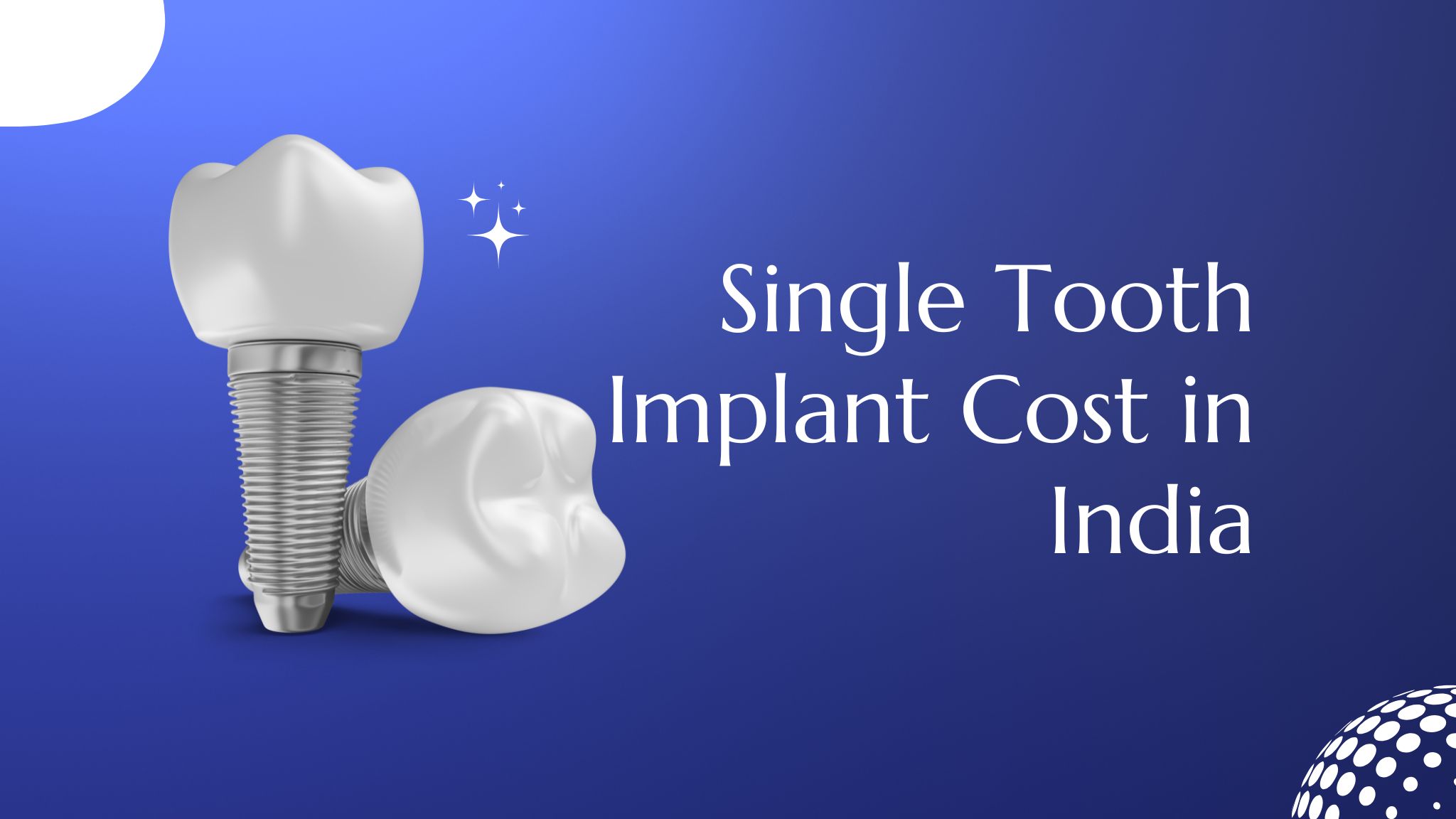
  • Single Tooth Implant Cost in India – YouDent Hospital

    Single Tooth Implant Cost in India – YouDent Hospital

    What is a Single Tooth Implant?

    A single tooth implant is a titanium or zirconia post surgically inserted into the jawbone as a replacement for a missing tooth. It’s designed to act like a natural tooth root and is capped with a crown for a seamless appearance. If you’re missing a tooth due to injury or decay, a single tooth implant is an excellent solution for both aesthetics and oral health.

    Why Choose India for Dental Implants?

    dia has become a global hotspot for affordable, high-quality dental care. With experienced dentists, state-of-the-art facilities, and costs significantly lower than in countries like the US or UK, India offers an unmatched combination of quality and cost-effectiveness, making it home to the best dental implant in India for those seeking top-notch care at a fraction of the cost.

    Factors Affecting Single Tooth Implant Cost in India

    • The cost for single tooth implant varies depending on:
    • Type of implant material: Titanium and zirconia have different price points.
    • Dentist’s expertise: Experienced dentists may charge a premium for their services.
    • Geographic location: Metro cities tend to have higher costs compared to tier-2 and tier-3 cities.

    Additional procedures: Bone grafting, sinus lifts, or other supplementary treatments can add to the overall cost.

    Average Single Tooth Implant Cost in India

    On average, the single tooth implant cost in India ranges from ₹25,000 to ₹50,000 (approximately $300 to $600). For comparison, similar procedures in the US or UK can cost upwards of $3,000.

    Process of a Single Tooth Implant

    • Diagnostics: X-rays and planning.
    • Surgery: Implant placement.
    • Healing: Takes 3–6 months for osseointegration.
    • Crown Placement: Final step for a complete look.

    How Long Does a Single Tooth Implant Last?

    With proper care, a dental implant can last 10–25 years or longer. Aftercare, including oral hygiene and regular dental check-ups, plays an essential role.

    Benefits of a Dental Implant

    • Feels and looks natural.
    • Does not impact neighbouring teeth like bridges.
    • Improves functionality, enabling you to eat and speak confidently.
    • Risks and Considerations

    Every medical procedure has risks. With implants, these may include infection and extended recovery time. Always choose a reputable dentist to minimise these risks.

    How to Save on Single Tooth Implant Costs in India

    • Opt for treatment in tier-2 cities like Jaipur or Chandigarh.
    • Compare costs and reviews across clinics.
    • Look for bundled medical tourism packages.

    Final Thoughts

    A single tooth implant cost in India is a fraction of what you’d pay elsewhere, without compromising quality. Conduct thorough research and consult with reliable dentists to make the right choice for your needs.

    FAQs

    How much does a single tooth implant cost in India?

    It typically ranges from ₹25,000 to ₹50,000, depending on various factors.

    Is it safe for international patients to get implants in India?

    Yes, India has world-class facilities and experienced professionals catering to global patients.

    What is the recovery time for a single tooth implant?

    It can take 3–6 months for the implant to fuse with the jawbone.

    Can dental implants be covered by insurance in India?

    Some Indian insurance plans offer partial coverage for implants. Check with your provider.

    How do I find the best dental clinic for implants in India?

    Look for clinics with certified dentists, quality reviews, and clear pricing structures.

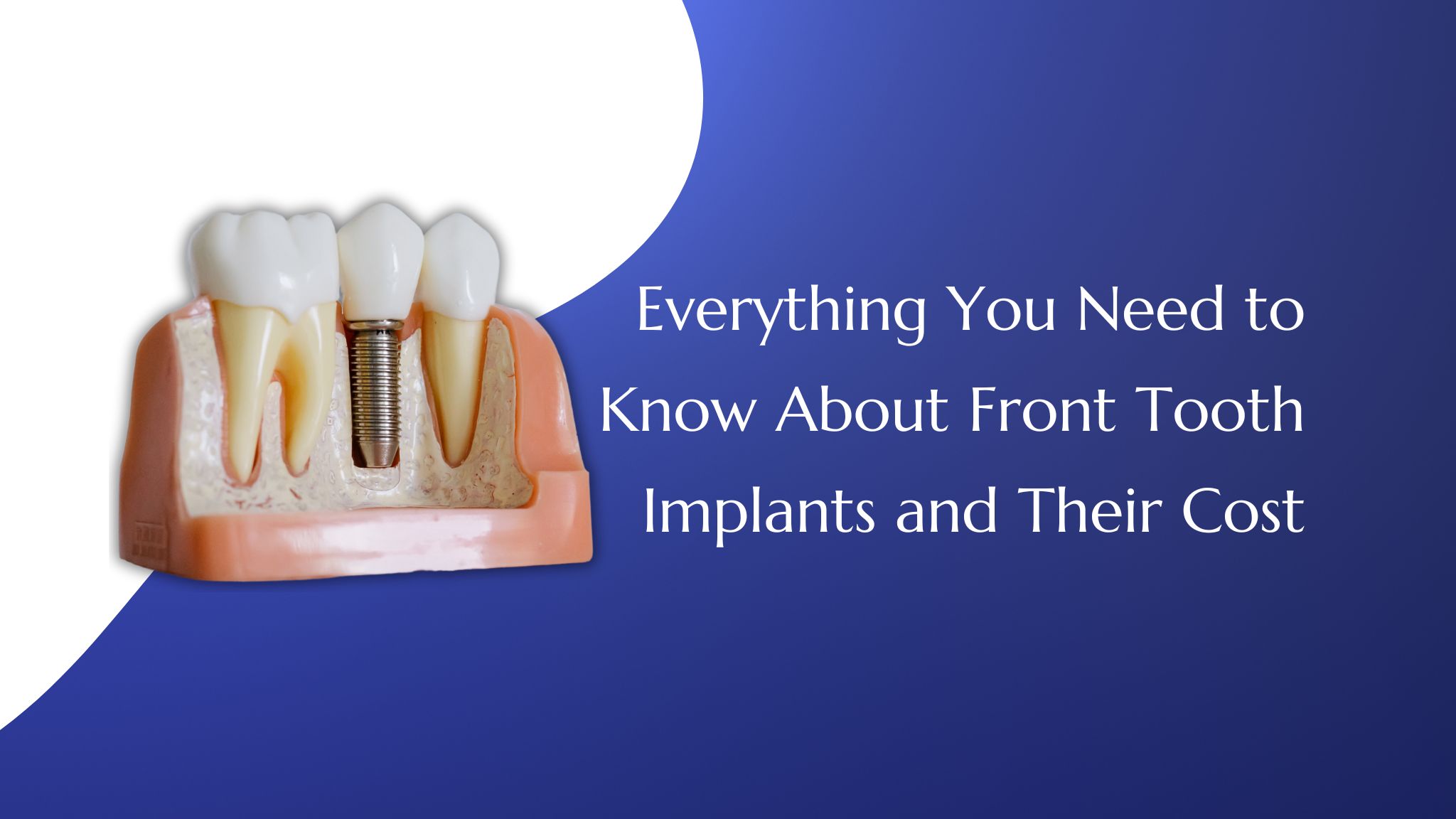
  • Everything You Need to Know About Front Tooth Implants and Their Cost

    Everything You Need to Know About Front Tooth Implants and Their Cost

    Understanding the Basics of Dental Health

    To appreciate the importance of dental implants, it’s essential to first understand the structure and role of teeth.

    Tooth Structure and Its Function

    Every tooth comprises three main layers:

    • Enamel (the hard, visible outer layer)
    • Dentin (the underneath layer, supporting enamel)
    • Pulp (the soft core, housing nerves and blood vessels)

    Each tooth type has its specific function:

    • Incisors (Front Teeth): These sharp-edged teeth help in biting and cutting food.
    • Canines: Their pointed edges help in tearing.
    • Molars and Premolars: Located at the back, they grind food for digestion.

    Our front teeth, in particular, are crucial for speech, eating, and, of course, smiling. Any damage or loss here can significantly impair daily life.

    Common Dental Issues and the Role of Implants

    Missing teeth, especially in the “smile zone,” impact more than your looks—your bite alignment and oral health can also suffer. Let’s focus on issues like front tooth loss and how a dental implant front tooth can make all the difference.

    Why Do Front Teeth Get Damaged?

    • Accidents: Sports injuries or falls often lead to chipped or missing teeth.
    • Decay: Poor oral hygiene can cause cavities severe enough to warrant tooth removal.
    • Gum Disease: Advanced gum disease can weaken the bone supporting the tooth.

    When a front tooth is lost, a gap remains, often needing urgent restoration. Enter the front tooth dental implant, a revolutionary solution designed to restore both form and function.

    Front Tooth Implants: What to Expect

    A front tooth implant is a long-lasting solution that involves placing a titanium post into the jawbone, which supports a custom-made, natural-looking crown to replace a missing tooth, with the best dental implant in India offering high-quality results at affordable prices. Here’s a closer look at the procedure:

    1. Initial Consultation

    The dentist evaluates your oral health, takes x-rays, and determines if there’s enough bone to anchor the implant. If not, a bone graft may be needed before proceeding.

    2. Implant Surgery

    This is the process of placing a titanium post into the jawbone. This post acts as the “root” of the implant.

    3. Healing Period 

    Osseointegration occurs, where the implant fuses with the bone. This step typically takes a few months but is vital for long-term stability.

    4. Crown Placement

    Finally, a custom-made crown designed to match your original teeth is attached to the implant. The result? A durable, natural-looking replacement that blends seamlessly with your smile.

    Benefits of Front Tooth Implants

    • Aesthetic Appeal: Implants look just like natural teeth, restoring your smile.
    • Enhanced Functionality: They allow you to bite, chew, and speak naturally.
    • Longevity: With proper care, a front tooth dental implant can last a lifetime.

    The Cost of Front Tooth Implants

    Now to the big question—what is the front tooth implant cost?

    Factors Influencing the Front Tooth Implant Price

    The cost of getting an implant front tooth varies based on the following:

    1. Geographic Location: Prices differ by city or country.
    2. Complexity: Bone grafts can add to the overall price.
    3. Material Quality: Premium implants cost more but offer better durability.
    4. Dentist’s Expertise: A highly skilled dentist may charge higher fees.

    On average, the front tooth implant cost in the U.S. ranges between $4,000 and $6,000. However, this can fluctuate based on individual circumstances.

    Managing the Financial Aspect

    • Dental Insurance: Some plans cover part of the surgical cost.
    • Payment Plans: Many clinics offer monthly installments to ease the financial burden.
    • Health Savings Accounts (HSAs): Use these tax-advantaged funds for implant procedures.

    Always consult your dentist for a detailed estimate of the front tooth implant price, tailored to your unique needs.

    Maintaining Dental Health Post-Implant

    Once you’ve invested in a front tooth implant, proper care is essential to protect it and your overall oral health.

    Tips to Maintain Your Implant

    1. Regular Brushing & Flossing: Make twice-daily brushing and flossing non-negotiable.
    2. Use a Mouthguard: If you’re at risk of grinding or play contact sports, protect your teeth with a mouthguard.
    3. Dental Check-ups: Visit your dentist every six months for routine cleanings and monitoring.
    4. Avoid Hard Foods: Keep your implant strong by steering clear of ice and hard candies.

    By incorporating these habits, you can ensure that your implant stays in excellent condition for years to come.

    Why Prioritize Your Smile?

    Your oral health plays a pivotal role in how you eat, speak, and feel about yourself. A missing front tooth can dent more than just your appearance—it can also affect your confidence and quality of life. A front tooth implant offers a reliable solution to reclaim the functionality and brilliance of your smile.

    Whether you’re concerned about the front tooth implant cost, have questions about the procedure, or need guidance on maintaining your new implant, prioritizing your dental health is always worth the effort.

    Contact your dentist today to take the first step toward restoring your smile and enhancing your confidence.

  • Dental Abscess Symptoms, Treatment & Causes

    Dental Abscess Symptoms, Treatment & Causes

    A dental abscess is much more than a mere inconvenience. It is the body’s way of signaling that something deeper requires attention—both physically and spiritually. Rooted in imbalance, it manifests as a painful reminder of the delicate harmony necessary to maintain our oral health and overall well-being.

    If you’ve experienced throbbing dental pain or noticed unusual swelling around your gums, it might be your body’s gentle but urgent call to action. This post will guide you through understanding the symptoms, causes, and treatment of dental abscesses, offering insights that not only clarify but also empower.

    What Is a Dental Abscess?  

    At its core, a dental abscess is an infection that occurs as a result of bacteria penetrating the sensitive inner layers of your tooth or gum tissue. This infection creates a pocket of pus, reflecting the body’s defense mechanisms attempting to fight off unwelcome invaders.

    While its physical presence is painful, a dental abscess can also serve as a gentle teacher, urging us to pay closer attention to how we nurture ourselves—specifically, the care we devote to our oral health. Left untreated, it can escalate, potentially spreading infection and impacting broader aspects of our well-being.

    Symptoms of Dental Abscess  

    Recognizing the signs of a dental abscess is the first step toward addressing this intrusive issue. By paying attention to these symptoms, you allow yourself the opportunity to act before the condition worsens. Common symptoms include:

    Throbbing Dental Pain: Pulsating or constant discomfort that often intensifies over time.

    Swollen or Tender Gums: A noticeable swelling around the infected area, often warm to the touch.

    Fever and General Malaise: Signs that your body’s immune system is responding to the infection.

    Sensitivity to Hot or Cold: Extreme sensitivity when consuming beverages or foods at varying temperatures.

    Bad Taste or Breath: This often occurs as a result of the abscess rupturing and releasing pus.

    Your body’s signals demand respect and action. These are not merely random inconveniences; they are part of a larger message your body is sending, one that shouldn’t be ignored.

    What Causes a Dental Abscess?  

    Behind a dental abscess lies a chain of events often rooted in habits and patterns that may go unnoticed in the busyness of life. Though the causes are physical, they also direct us toward areas where mindful attention may be missing.

    Poor Oral Hygiene: Irregular brushing, flossing, and dental check-ups create an environment where bacteria thrive.

    Tooth Decay: When cavities remain untreated, they act as gateways for bacteria to enter the tooth’s deeper structure.

    Gum Disease: Conditions like periodontitis can weaken gum integrity, making room for infection to develop.

    Dental Trauma: Accidents that crack or chip teeth can expose vulnerable layers, increasing infection risk.

    Each of these causes serves as a gentle reminder that preventive care is not merely an obligation, but a compassionate ritual of self-love and preservation.

    Types of Dental Abscess  

    Not all dental abscesses are the same. Understanding the different types brings clarity to what might otherwise feel like an overwhelming experience.

    Periapical Abscess  

    This type originates at the tip of the tooth’s root, often caused by untreated cavities or injuries. It symbolizes an issue deeply rooted, potentially unnoticed for some time. Addressing it involves removing the infection from its source.

    Periodontal Abscess  

    This variety emerges within the gums, near the tooth’s base, and often stems from gum disease. It represents an imbalance in the foundational structures that hold everything together. Restoring balance starts with cleaning and nurturing these spaces.

    Diagnosing and Treating a Dental Abscess

    Treating a dental abscess requires expert care and attention. Dentists work with precision to identify the infection’s root cause and offer methods to restore harmony in your oral health.

    Diagnosis

    An X-ray is typically used to locate and assess the abscess. The information it reveals often brings clarity to the problem, allowing for an informed approach to healing.

    Treatment for Dental Abscess

    Drainage: Your dentist may start by draining the abscess, providing immediate relief from pressure and pain.

    Root Canal Therapy: For a periapical abscess, root canal treatment clears out the infection while preserving your tooth.

    Antibiotics: Prescribed to combat lingering bacteria and prevent the spread of infection.

    Tooth Extraction: If the damage is beyond repair, removing the tooth may be the kindest solution to restore balance.

    Each treatment option is a step toward resolving not just the immediate problem but also its impact on your overall well-being, with the Best Teeth Implant Hospital in India ensuring comprehensive care and lasting solutions for your dental health.

    Preventing Dental Abscesses  

    Awareness is the first layer of prevention. Taking conscious steps to maintain oral health can safeguard you from the turmoil of dental abscesses. Simple, consistent actions hold the power to transform your health.

    Brush and Floss Regularly: Twice a day brushing combined with daily flossing removes bacteria and keeps decay at bay.

    Visit Your Dentist Routinely: Dental check-ups allow early detection of problems before they escalate.

    Eat a Balanced Diet: Nourishing your body with whole, nutrient-dense foods strengthens your teeth and gums.

    Stay Hydrated: Water rinses away food particles and sustains oral hygiene between meals.

    When we care for ourselves in these small, deliberate ways, we not only prevent physical issues but also honor the balance within us.

    Listen to Your Body’s Call for Balance  

    A dental abscess may feel like an unwelcome guest, but it also carries hidden wisdom. It asks us to tune into our habits, recognize areas where attention is lacking, and take action to restore harmony.

    If you suspect you have a dental abscess or are feeling the early signs of pain, don’t hesitate—reach out to a trusted dentist today. This act of self-care could prevent further discomfort and ensure a healthier, more balanced you.

    Remember, oral health is not just a physical practice; it’s a mindful commitment to your well-being, a gentle reminder that small actions can lead to powerful transformations.

  • Types of Dental Implants

    Types of Dental Implants

    Types of Dental Implants

    Types of Dental Implant

    What Are Dental Implants?

    Dental implants are artificial tooth roots that provide a strong foundation for fixed or removable replacement teeth. They are designed to blend seamlessly with natural teeth, making them an ideal choice for restoring a complete smile.

    Importance of Dental Implants in Modern Dentistry

    In today’s dentistry, dental implants are considered a revolutionary solution. Unlike dentures or bridges, they offer superior stability, functionality, and a natural appearance, improving both oral health and confidence.

    Why Choose Dental Implants Over Other Options?

    Dental implants prevent bone loss, maintain facial structure, and eliminate the inconvenience of removable dentures. They are long-lasting and feel just like natural teeth.

    Types of Dental Implants

    Endosteal Implants

    Endosteal implants are the most common type of dental implant. These are surgically placed directly into the jawbone.

    Features and Benefits
    • Made from titanium, which integrates easily with the jawbone.
    • Provides strong support for crowns, bridges, or dentures.
    Procedure Overview

    The implant is inserted into the jawbone, and after a healing period, a crown or other restoration is attached.

    Subperiosteal Implants

    These implants are placed under the gum but above the jawbone, making them ideal for patients with insufficient bone density.

    When Are They Used?

    Subperiosteal implants are recommended for patients who cannot or prefer not to undergo bone grafting.

    Benefits and Limitations

    While they are less invasive, they may not offer the same stability as endosteal implants.

    Zygomatic Implants

    These are placed in the cheekbone (zygomatic bone) instead of the jawbone.

    Special Cases for Zygomatic Implants

    They are used in cases where the upper jaw lacks sufficient bone structure.

    Advantages and Challenges

    Although they provide a secure solution for severe bone loss, the procedure is more complex.

    Materials Used in Dental Implants

    Titanium Implants

    Titanium is durable, biocompatible, and promotes osseointegration, making it the most commonly used material.

    Zirconia Implants

    Zirconia implants are metal-free and ideal for patients with metal allergies. They also offer aesthetic benefits due to their tooth-like colour.

    Types of Implant-Supported Restorations

    Single-Tooth Implants

    Used to replace a single missing tooth, providing a natural look and feel.

    Implant-Supported Bridges

    These bridges replace multiple missing teeth, supported by implants instead of natural teeth.

    All-on-4 Implants

    A revolutionary method to replace a full arch of teeth with just four strategically placed implants.

    Types of Implant Procedures

    Immediate Implants

    Placed immediately after tooth extraction, reducing treatment time.

    Delayed Implants

    Inserted after the jawbone has healed from the extraction, ensuring better stability.

    Mini Dental Implants

    Smaller in size, these are used in less invasive procedures or when space is limited.

    Benefits of Different Types of Dental Implants

    Durability

    Implants are designed to last a lifetime with proper care.

    Aesthetic Appeal

    They look and feel like natural teeth, enhancing your smile’s appearance.

    Improved Oral Functionality

    Dental implants restore chewing and speaking abilities effectively.

    Choosing the Right Type of Implant for You

    Factors to Consider
    Bone Density

    The type of implant depends on the quality and quantity of your jawbone.

    Budget and Cost

    Different implants and procedures have varying costs. Consulting with a specialist can help you choose the best option.

    Consultation with a Specialist

    A dental implantologist will assess your oral health and recommend the most suitable type.

    Risks and Complications of Dental Implants

    Common Issues

    These may include infection, nerve damage, or implant failure.

    Prevention and Management

    Maintaining good oral hygiene and regular dental check-ups can help mitigate risks.

    Advances in Dental Implant Technology

    Computer-Guided Implant Placement

    This technique ensures precise placement and faster recovery.

    3D Printed Implants

    3D printing allows for customised implants tailored to individual patients.

    Cost of Different Dental Implants

    Factors Affecting Costs

    Costs depend on the type of implant, materials used, and the complexity of the procedure.

    Insurance and Financing Options

    Some dental insurance plans cover part of the cost. Payment plans can make implants more affordable.

    Caring for Your Dental Implants

    Oral Hygiene Practices

    Brush twice a day, floss regularly, and use an antibacterial mouthwash.

    Regular Dental Check-ups

    Routine visits to your dentist ensure your implants remain in good condition.

    Dental Implants vs Other Tooth Replacement Options

    Dentures vs Implants

    While dentures are removable and less expensive, implants offer superior stability and longevity.

    Bridges vs Implants

    Bridges may damage adjacent teeth, whereas implants do not affect surrounding teeth.

    Myths About Dental Implants

    Pain During the Procedure

    With anaesthesia, the procedure is virtually pain-free.

    Long Recovery Time

    Most patients recover quickly with minimal discomfort.

    Implants Are Only for Older Adults

    Dental implants are suitable for adults of all ages with healthy gums and bones.

    Conclusion

    Dental implants are a game-changer in modern dentistry, offering a permanent solution to tooth loss.By understanding the types of implants and consulting with a specialist, you can restore your smile and improve your oral health effectively with the Best dental implant in India, ensuring a high-quality and long-lasting solution.

    FAQs

    1. What is the most common type of dental implant?
      Endosteal implants are the most widely used type due to their reliability and effectiveness.
    2. How long do dental implants last?
      With proper care, dental implants can last a lifetime.
    3. Are dental implants painful?
      The procedure is done under anaesthesia, making it virtually pain-free.
    4. Can anyone get dental implants?
      Most adults with healthy gums and sufficient bone


    Frequently Asked Questions

    What are All-on-4 dental implants?

    All-on-4 dental implants are a method of replacing an entire arch of teeth using just four implants, providing a stable and secure foundation for prosthetic teeth.

    How much do All-on-4 dental implants cost?

    Costs can range from 1,50,000 to 3,00,000 per arch, depending on various factors including location, dentist expertise, and specific patient needs.

    Are All-on-4 implants suitable for people with low bone density?

    Yes, the strategic placement of implants minimizes the need for bone grafting, making it suitable for many patients with lower bone density

    How long do All-on-4 implants last?

    With proper care, All-on-4 implants can last a lifetime, offering a permanent solution to tooth loss.

    What are the benefits of advances in dental technology for All-on-4 implants?

    Technological advancements like digital imaging, guided surgery, and 3D printing enhance precision, customization, and overall success rates of All-on-4 implants.
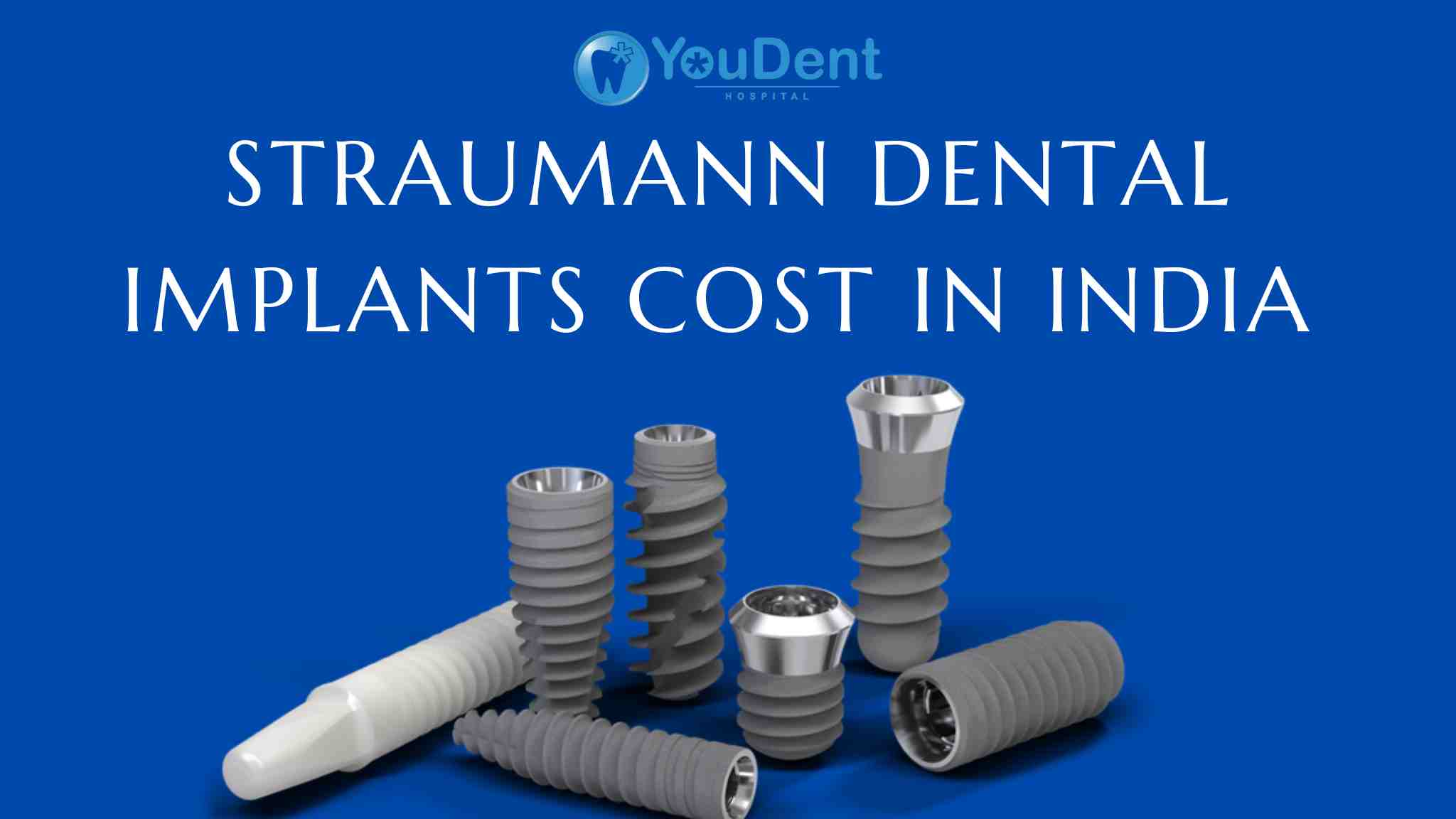
  • Straumann Dental Implants Cost in India

    Straumann Dental Implants Cost in India

    Dental implants have revolutionised modern dentistry, offering a reliable and long-term solution for missing teeth. Among the various brands available, Straumann dental implants stand out due to their exceptional quality and advanced technology. But how much do these implants cost in India, and are they worth the investment? Let’s dive in to uncover all the details.

    What are Straumann Dental Implants?

    Straumann dental implants are artificial tooth roots made from biocompatible materials like titanium or zirconia. They serve as a foundation for fixed or removable teeth that look, feel, and function like natural teeth.

    Why are Straumann Implants Popular?

    Known for their precision engineering and innovative design, Straumann implants are a favourite among dentists and patients. Their unique surface technology promotes faster healing and long-term stability.

    Key Features of Straumann Implants

    • High biocompatibility
    • Minimal risk of infection
    • Advanced surface treatments for quick integration with jawbone

    Types of Straumann Dental Implants

    Standard Straumann Implants

    These are designed for regular implant procedures and are available in various sizes and lengths to fit individual needs.

    Mini Straumann Implants

    Ideal for patients with limited jawbone density, mini implants require less invasive procedures.

    Advanced Variants for Complex Cases

    Straumann also offers specialised implants for patients with challenging dental conditions or significant bone loss.

    Benefits of Straumann Dental Implants

    Superior Quality and Durability

    Straumann implants are crafted from top-notch materials, ensuring they last for decades with proper care.

    High Success Rate

    With a success rate of over 95%, Straumann implants are one of the most reliable options in the market.

    Enhanced Comfort and Functionality

    Unlike traditional dentures, these implants feel natural and do not slip while eating or speaking.

    Factors Affecting the Cost of Straumann Implants in India

    Implant Material

    Titanium implants are generally more affordable than zirconia but offer similar durability.

    Location of the Dental Clinic

    Metropolitan cities like Mumbai and Delhi often have higher costs compared to smaller towns.

    Expertise of the Dental Surgeon

    An experienced surgeon may charge more, but their skill reduces the risk of complications.

    Pre- and Post-Operative Procedures

    Costs may include diagnostic tests, X-rays, and follow-up appointments.

    Average Cost of Straumann Dental Implants in India

    Single Implant Cost

    A single Straumann implant typically costs average cost 75000/per Implant, depending on various factors.

    Full Mouth Rehabilitation Cost

    For patients needing multiple implants, the cost can range from ₹4,00,000 to ₹8,00,000.

    Comparison with International Costs

    Straumann implants in India are significantly cheaper than in countries like the USA or the UK, where prices can be double.

    Why are Straumann Implants Worth the Investment?

    Long-Term Benefits

    Although they come with a higher upfront cost, their durability and low maintenance make them a cost-effective choice in the long run.

    Patient Satisfaction

    Most patients report improved quality of life and confidence after getting Straumann implants.

    How to Choose the Right Dental Clinic for Straumann Implants in India

    Importance of Accreditation

    Choose clinics accredited by recognised dental organisations for assured quality.

    Checking Patient Reviews

    Online reviews and testimonials can provide insights into a clinic’s reliability.

    Consultation and Transparency

    A good clinic will offer a clear breakdown of costs and procedures during the consultation.

    Alternatives to Straumann Dental Implants

    Competitor Brands

    Other popular brands include Nobel Biocare and Zimmer Biomet.

    Pros and Cons of Alternatives

    While alternatives may be cheaper, they might not match Straumann’s quality and innovation.

    Financing Options for Straumann Implants in India

    EMI Plans

    Many clinics offer easy monthly instalment plans to make implants affordable.

    Dental Insurance Coverage

    Some insurance policies cover part of the implant cost, so check with your provider.

    Discounts and Offers

    Look out for seasonal discounts or bundled packages from clinics.

    Common Myths About Straumann Dental Implants

    Are They Too Expensive?

    While they cost more upfront, their longevity offsets the expense over time.

    Pain and Recovery Myths

    Modern techniques ensure minimal pain and a quicker recovery process.

    Maintenance Misconceptions

    They don’t require special care beyond regular oral hygiene.

    The Procedure for Straumann Dental Implants

    Initial Consultation

    The process begins with a thorough examination and customised treatment plan.

    Implant Placement Surgery

    The implant is surgically placed into the jawbone under local anaesthesia.

    Post-Surgery Recovery

    Healing usually takes a few weeks, after which the artificial tooth is attached.

    How to Maintain Straumann Dental Implants?

    Regular Cleaning Routine

    Brush and floss daily to prevent plaque buildup.

    Professional Check-Ups

    Visit your dentist every six months for cleaning and inspection.

    Diet and Lifestyle Adjustments

    Avoid hard foods and smoking to extend the implant’s lifespan.

    Conclusion

    Straumann dental implants are a premium solution for those seeking a permanent and natural-looking replacement for missing teeth. While they might seem expensive at first glance, their long-term benefits and superior quality make them worth every penny. With affordable options available in India, achieving a perfect smile is now within reach.

    Frequently Asked Questions

    How long do Straumann implants last?
    With proper care, Straumann implants can last a lifetime.
    Is the procedure painful?

    The procedure is minimally painful, thanks to advanced techniques and local anaesthesia.

    Can anyone get Straumann implants?

    Most people are eligible, but a dentist will determine suitability based on your oral health.

    What is the recovery time for Straumann implants?

    The recovery period typically ranges from a few weeks to a few months, depending on individual factors.

    Are Straumann implants covered by insurance?

    Some dental insurance plans cover a portion of the cost. Check with your provider for details.

  • How Much Dental Implant Cost In India? – YouDent Hospitals

    How Much Dental Implant Cost In India? – YouDent Hospitals

    Are you considering dental implants in India but unsure about their cost or what they actually entail? You’re not alone. Many dental patients are on a quest for reliable information about dental implants, especially those curious about the procedures and cost of dental implant in India. This blog post is designed to demystify dental implants, providing you with a comprehensive guide that will help you make informed decisions about your oral health. Let’s explore what dental implants are, the types available, and most importantly, the financial investment required.

    What Is a Dental Implant?

    Dental implants are a revolutionary solution for missing teeth. Unlike traditional dentures, which rest on the gums, dental implants are anchored into your jawbone. Essentially, a dental implant is a metal post, usually made of titanium, that acts as a root for a replacement tooth. Once inserted, this post fuses with the bone, creating a stable base for a crown, bridge, or denture.

    The process of getting a dental implant involves multiple stages. Initially, an assessment is made to determine if you’re a suitable candidate. Following that, the implant is surgically placed into your jawbone. After a healing period, during which the implant integrates with the bone, an abutment is added. This serves as a connector between the implant and the artificial tooth. Finally, the crown is attached, completing the restoration.

    Why are dental implants so popular? Their benefits lie in their durability, natural appearance, and ability to restore full function of your teeth. Unlike dentures, implants don’t slip or cause discomfort and can last a lifetime with proper care. This makes them an excellent long-term investment for your oral health.

    Types of Dental Implants

    Dental implants come in several forms, allowing dentists to tailor solutions based on individual needs. The most common type of implant is the endosteal implant. These are placed directly into the jawbone and are typically shaped like screws, cylinders, or blades. They’re the preferred choice for patients with sufficient bone height and density.

    Subperiosteal implants are another option, particularly for those who lack enough healthy jawbone to support endosteal implants. Instead of being placed in the bone, these implants are positioned on top of the jawbone but beneath the gum. While less common, they provide an alternative for patients who cannot undergo bone augmentation procedures.

    Then there’s the zygomatic implant, a less conventional type of implant used when the upper jaw lacks sufficient bone density. These implants are longer and anchored in the cheekbone rather than the jawbone, offering stability without the need for bone grafts.

    Each type of dental implant has its pros and cons, and the choice depends largely on individual anatomical considerations and the dentist’s recommendation. Understanding these types can help you communicate better with your dental professional and make informed decisions about your care.

    Cost of Dental Implant in India

    The cost of dental implants varies significantly across different regions and is influenced by multiple factors. In India, the cost can range from INR 20,000 to INR 50,000 per implant. However, this is a general estimate, and prices can fluctuate based on the complexity of the procedure, the type of implant used, and the dentist’s expertise.

    Why do dental implants cost what they do? A significant portion of the cost is attributed to the materials used and the technology involved. Titanium, the standard for dental implants, is a biocompatible material that integrates well with bone but comes at a higher price. Additionally, the procedure requires specialized skills and equipment, contributing to the overall cost.

    Insurance can play a role in reducing out-of-pocket expenses for dental implants. Some insurance plans cover part of the procedure, particularly if tooth loss is due to an accident or medical condition. It’s crucial to discuss coverage with your provider beforehand to understand what costs might be reimbursed.

    Patients often wonder about the possibility of finding cheaper alternatives. While cost is an important factor, it’s essential not to compromise on quality. Choosing reputable clinics and experienced professionals ensures the success and longevity of your dental implants.

    FAQs About Dental Implants

    Many patients have questions about dental implants, especially regarding the procedure, pain management, and maintenance. Here are some common queries:

    How long does the dental implant procedure take? Typically, the process can span several months from start to finish. Initial assessments and surgical placement are followed by a healing phase, lasting several weeks to months, where the implant bonds with the bone. The final placement of the crown usually occurs after this integration period.

    Is the procedure painful? Discomfort levels vary among patients, but most describe the surgery as less painful than expected. Dentists use local anesthesia to minimize pain during the procedure, and any post-operative discomfort can usually be managed with prescribed pain relievers.

    How do I care for my dental implants? Maintaining dental implants involves similar care to natural teeth. Regular brushing, flossing, and routine dental check-ups are necessary to ensure the longevity of your implants. Avoiding habits that can damage your teeth, like smoking, is also advisable.

    Understanding the dental implant process can alleviate concerns and empower you to take control of your oral health. Well-informed patients are better equipped to ask pertinent questions and make confident decisions.

    Making the Right Choice for Your Oral Health

    Dental implants offer a durable and natural-looking solution to tooth loss, but the decision to proceed with them involves careful consideration of various factors, including cost and type. For dental patients in India, understanding the cost dynamics and available types of implants can simplify the decision-making process.

    Ultimately, dental implants are a long-term investment in your oral health, providing both aesthetic and functional benefits. Whether you’re contemplating implants for the first time or seeking more information about costs and procedures, being informed is your strongest asset.

    For those eager to explore further, consider consulting with a dental professional who can provide tailored advice and guidance. With the right information and expert consultation, you’re well on your way to making the best choice for your dental health.

    Frequently Asked Questions

    What are All-on-4 dental implants?

    All-on-4 dental implants are a method of replacing an entire arch of teeth using just four implants, providing a stable and secure foundation for prosthetic teeth.

    How much do All-on-4 dental implants cost?

    Costs can range from 1,50,000 to 3,00,000 per arch, depending on various factors including location, dentist expertise, and specific patient needs.

    Are All-on-4 implants suitable for people with low bone density?

    Yes, the strategic placement of implants minimizes the need for bone grafting, making it suitable for many patients with lower bone density

    How long do All-on-4 implants last?

    With proper care, All-on-4 implants can last a lifetime, offering a permanent solution to tooth loss.

    What are the benefits of advances in dental technology for All-on-4 implants?

    Technological advancements like digital imaging, guided surgery, and 3D printing enhance precision, customization, and overall success rates of All-on-4 implants.