Youdent Hospital

Category: Implants and Dentures

  • Cost of One Dental Implant – YouDent Hospital

    Cost of One Dental Implant – YouDent Hospital

    Dental implants are more than just a cosmetic enhancement; they are a gateway to restoring oral health and confidence. In today’s world, where first impressions matter, having a complete and healthy smile can significantly impact your personal and professional life. This blog post will explore the various factors influencing the cost of a one dental implant, helping patients make informed decisions about their oral health investments.

    Why Dental Implants Matter

    Dental implants are crucial for maintaining both oral health and overall wellbeing. Unlike dentures, which can slip or cause discomfort, implants offer a permanent solution that mimics natural teeth. They prevent bone loss in the jaw, preserve the structure of your face, and allow you to eat and speak comfortably.

    Additionally, dental implants can significantly boost self-esteem. Many patients report feeling more confident in social interactions and professional settings once they have restored their smile. The importance of feeling comfortable with your appearance cannot be overstated, as it affects how you carry yourself in daily life.

    The benefits of dental implants extend beyond aesthetics. They contribute to better oral hygiene by closing gaps that could harbor bacteria. With dental implants, patients often find themselves more motivated to maintain a thorough oral care routine, ensuring long-term health benefits.

    Cost of One Dental Implant

    The cost of a dental implant isn’t a one-size-fits-all figure. It varies based on several factors that potential patients should consider. One significant factor is the quality of materials used. High-quality implants, often made from titanium, tend to be more expensive but offer greater durability and integration with the jawbone.

    Another crucial factor is the expertise of the dentist performing the procedure. Experienced dental surgeons with specialized training in implantology might charge higher fees, but their expertise reduces the risk of complications and ensures a smoother recovery process.

    Geographical location also plays a role in determining the price. For instance, the cost of the best dental implant in Jaipur may be different from other regions due to varying living costs and market competition. It’s essential for patients to understand these differences when budgeting for their dental procedures.

    Breaking Down the Cost Elements

    To comprehend the cost of a dental implant, it’s essential to consider each stage of the process. The initial phase involves pre-surgery consultations. During these visits, the dentist will assess your oral health, discuss your options, and develop a personalized treatment plan.

    The implant procedure itself is another significant cost component. This stage includes the surgical placement of the implant into the jawbone, which requires precision and expertise. Depending on the complexity of the case, additional procedures like bone grafting might be necessary, affecting the overall cost.

    Post-surgical care is also an important consideration. After the implant is placed, follow-up visits ensure proper healing and integration. These appointments may include adjustments and the placement of the final crown, all of which contribute to the total expense.

    Debunking Common Misconceptions

    Many people have misconceptions about the cost of dental implants. One common belief is that implants are unaffordable for the average person. However, when compared to the long-term costs of other dental solutions, such as dentures or bridges, implants often prove to be a more cost-effective choice in the long run.

    Another misconception is that all dental implants are the same, leading some to opt for cheaper options without considering quality. It’s crucial for patients to understand that not all implants are created equal, and investing in a reputable product can prevent future complications.

    Patients may also believe that dental insurance will fully cover the cost of implants. While some insurance plans offer partial coverage, it’s essential to review your policy and discuss financing options with your dental provider to avoid unexpected expenses.

    Finding Affordable Dental Implant Clinic

    Finding affordable yet high-quality dental implant clinic in jaipur requires research and careful consideration. Start by seeking recommendations from friends or family who have undergone the procedure. Personal experiences can provide valuable insights into the quality of care and outcome.

    It’s also wise to compare prices from different dental clinics. While cost should not be the sole deciding factor, understanding the market range can help you make an informed decision. Look for clinics offering transparent pricing and detailed breakdowns of costs.

    Consider exploring dental schools or community health centers, as they may offer discounted services performed by supervised students or staff. Additionally, inquire about payment plans or financing options that make the investment more manageable.

    Watch Here Real-Life Patient Testimonials of Dental Implant

    The Long-Term Value of Dental Implants

    The decision to invest in dental implants is one that offers long-term benefits. Unlike temporary solutions, implants provide a permanent fix to missing teeth, reducing the need for future dental work and associated costs.

    Implants also contribute to overall oral health by preventing bone loss and maintaining the natural alignment of surrounding teeth. This preservation of jawbone and facial structure supports not only dental health but also general wellbeing.

    For those considering this investment, it’s important to weigh the upfront cost against the lifelong advantages. Dental implants are a commitment to your health, confidence, and quality of life.

    Conclusion

    Dental implants are a significant investment, but one that offers unparalleled benefits for oral health and self-confidence. By understanding the cost factors, debunking common misconceptions, and exploring affordable options, patients can make informed decisions that align with their needs and budget.

    For those ready to transform their smile and enhance their quality of life, consulting with a reputable dental professional is the first step. Whether you’re in Jaipur or any other location, prioritizing quality and expertise will ensure the best outcome for your dental implant journey.

    If you’re considering dental implants, take the next step by scheduling a consultation with a trusted dentist. Explore financing options and ask questions to fully understand the process and its benefits. Your future smile—and health—will thank you.

    Frequently Asked Questions

    How long do dental implants last?

    Dental implants are designed to be a permanent solution for missing teeth. With proper care and maintenance, including regular dental check-ups and good oral hygiene, they can last a lifetime.

    Is the dental implant procedure painful?

    Most patients report minimal discomfort during the dental implant procedure, as local anaesthesia is typically used to numb the area. Post-operative pain can usually be managed effectively with prescribed medications

    How long does the entire dental implant process take?

    The timeline for receiving dental implants can vary significantly depending on individual cases. Generally, the process may take several months, including healing time after the implant placement before the final crown can be attached.

    Are there any risks associated with dental implants?

    While dental implants are considered safe, risks such as infection, nerve damage, or implant failure can occur. It’s crucial to discuss these potential risks with your dental professional during the consultation

    Can anyone get dental implants?

    Most adults with good oral health are candidates for dental implants. However, individuals with certain medical conditions or those who smoke may need additional assessments or treatments before proceeding. Your dentist will evaluate your suitability during the initial consultation.
  • डेंटल इम्प्लांट कैसे होता हैं? डेंटल इम्प्लांट का प्रोसीजर और क्या लागत है ?

    डेंटल इम्प्लांट कैसे होता हैं? डेंटल इम्प्लांट का प्रोसीजर और क्या लागत है ?

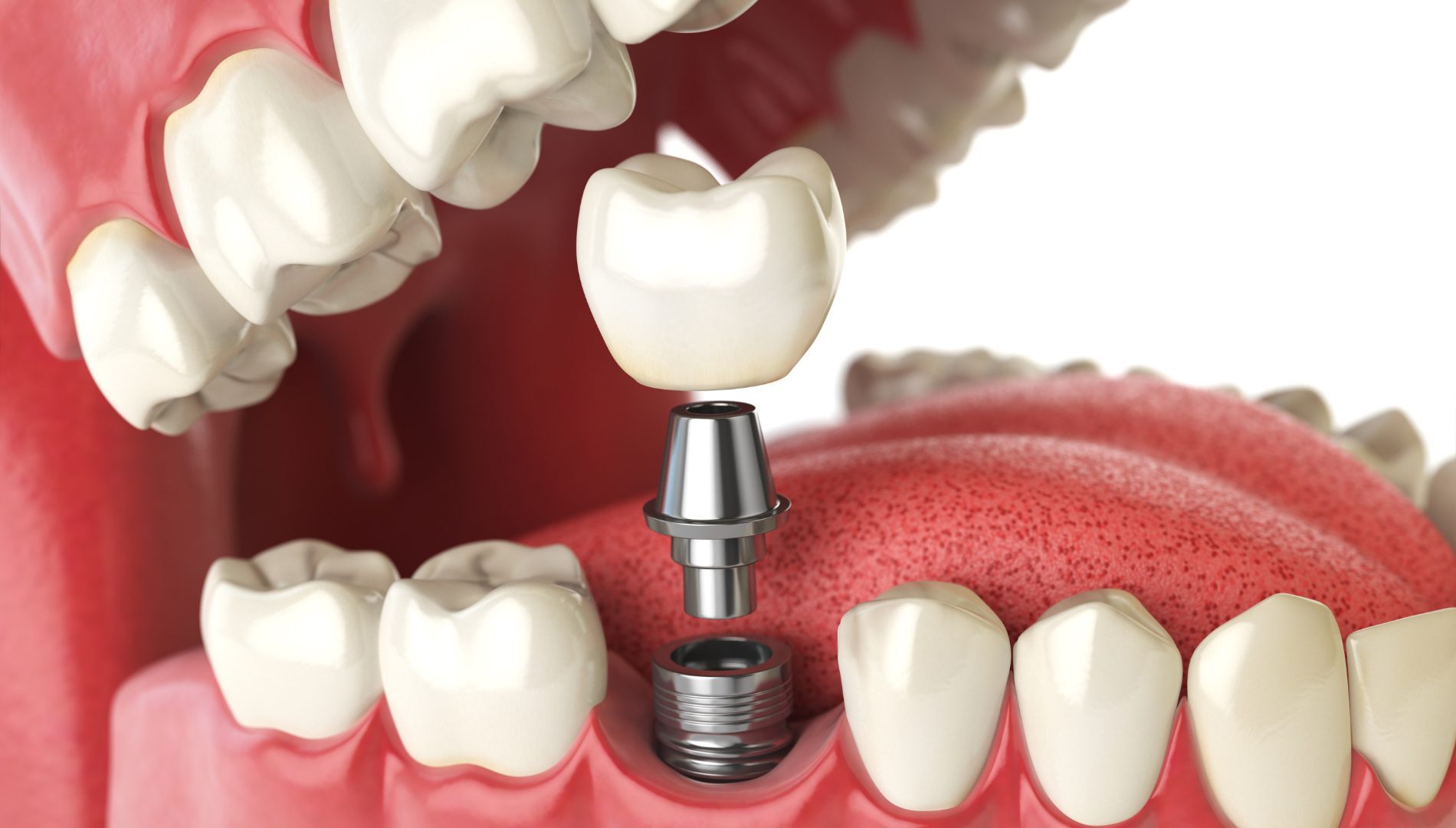
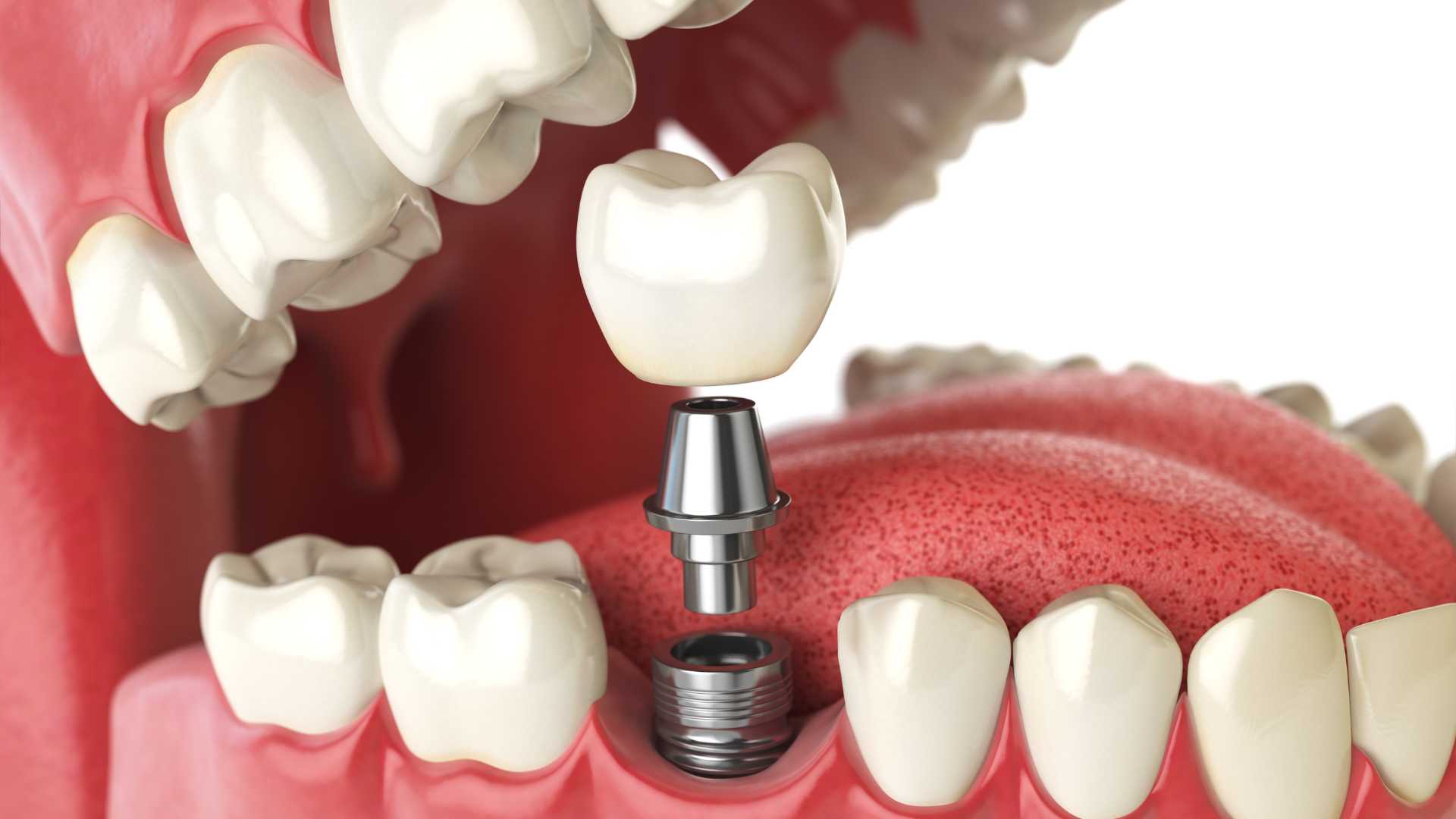
    डेंटल इम्प्लांट एक आधुनिक दंत चिकित्सा प्रक्रिया है जिसमें कृत्रिम दांत को जबड़े में स्थापित किया जाता है। यह उन लोगों के लिए एक स्थायी समाधान है जो किसी कारणवश अपने दांत खो चुके होते हैं। इम्प्लांट एक प्रकार का स्क्रू (piller) होता है जो टाइटेनियम या अन्य बायोकॉम्पैटिबल मेटल से बना होता है। इसे जबड़े की हड्डी में लगाया जाता है, जहाँ यह धीरे-धीरे हड्डी के साथ एक हो जाता है।

    डेंटल इम्प्लांट का प्रोसीजर

    डेंटल इम्प्लांट का प्रोसीजर कई चरणों में होता है:

    1. प्रारंभिक जांच और योजना:

      • सबसे पहले, डेंटिस्ट आपके मुंह की जांच करते हैं और एक्स-रे या सीटी स्कैन के माध्यम से यह तय करते हैं कि आप इम्प्लांट के लिए सही कैंडिडेट हैं या नहीं।
      • दांतों की संरचना और हड्डी की मजबूती को परखा जाता है।
    2. इम्प्लांट की स्थापना:

      • पहले चरण में इम्प्लांट को जबड़े की हड्डी में स्थापित किया जाता है।
      • इसके बाद इसे हड्डी के साथ जुड़ने के लिए कुछ महीनों का समय दिया जाता है। इस प्रक्रिया को ऑसिओइंटीग्रेशन कहते हैं।
    3. अबटमेंट और कृत्रिम दांत की स्थापना:

      • जब इम्प्लांट हड्डी के साथ पूरी तरह से जुड़ जाता है, तो इसके ऊपर एक अबटमेंट (abutrment) लगाया जाता है।
      • अबटमेंट के ऊपर कृत्रिम दांत (crown) को फिट किया जाता है। यह दांत असली दांत जैसा दिखता है और काम करता है।
    4. फाइनल फिटिंग और चेकअप:

      • कृत्रिम दांत फिट होने के बाद डेंटिस्ट आपके बाइट को चेक करते हैं और सुनिश्चित करते हैं कि सब कुछ सही तरीके से काम कर रहा है।
      • इसके बाद आपको नियमित चेक-अप और देखभाल के निर्देश दिए जाते हैं।

    लागत क्या है?

    डेंटल इम्प्लांट की लागत कई कारकों पर निर्भर करती है:

    • स्थान: शहर और क्लिनिक की लोकेशन पर भी लागत निर्भर करती है।
    • डॉक्टर की विशेषज्ञता: एक अनुभवी डेंटिस्ट की फीस अधिक हो सकती है।
    • इम्प्लांट का प्रकार और सामग्री: टाइटेनियम इम्प्लांट अधिक महंगे हो सकते हैं।
    • जरूरतें: अगर हड्डी का ग्राफ्टिंग या कोई अतिरिक्त प्रक्रिया की आवश्यकता है, तो लागत बढ़ सकती है।

    औसतन, भारत में एक डेंटल इम्प्लांट की लागत ₹25,000 से ₹75,000 तक हो सकती है। अगर पूरी माउथ रिहैबिलिटेशन की आवश्यकता हो, तो यह लागत और बढ़ सकती है।

    डेंटल इम्प्लांट एक स्थायी और प्रभावी तरीका है अपने खोए हुए दांतों को पुनः स्थापित करने का। हालांकि इसकी लागत थोड़ी अधिक हो सकती है, लेकिन यह लंबे समय तक चलने वाला समाधान है। अगर आप डेंटल इम्प्लांट कराने के बारे में सोच रहे हैं, तो अपने डेंटिस्ट से सलाह लें और प्रक्रिया के बारे में पूरी जानकारी प्राप्त करें।

    Frequently Asked Questions

    What causes dry mouth at night?

    Dry mouth at night can be caused by several factors, including mouth breathing, certain medications, and dehydration. Using a humidifier in your bedroom and staying hydrated throughout the day can help.

    Can dry mouth be a sign of diabetes?

    Yes, dry mouth can be a symptom of diabetes. High blood sugar levels can lead to decreased saliva production. If you suspect you have diabetes, consult your healthcare provider for proper diagnosis and treatment.

    How is dry mouth diagnosed?

    Dry mouth is diagnosed through a combination of medical history, physical examination, and possibly saliva flow tests. Your dentist will assess your symptoms and may recommend further tests to identify the underlying cause.

    Are there any natural remedies for dry mouth?

    Yes, several natural remedies can help alleviate dry mouth symptoms. Chewing sugar-free gum, sucking on sugar-free candies, and sipping water throughout the day can stimulate saliva production and provide relief.

    How long does dry mouth last?

    The duration of dry mouth depends on its cause. If it’s due to medication, symptoms may persist as long as you’re taking the medication. If it’s caused by dehydration or lifestyle choices, symptoms may improve once these issues are addressed. Consult your healthcare provider for a more accurate timeline based on your specific situation.

    Is dry mouth a serious condition?

    While dry mouth itself is not usually a serious condition, it can lead to more severe oral health issues like tooth decay, gum disease, and infections if left untreated. It’s essential to manage dry mouth effectively and seek professional advice if symptoms persist.

  • Dental Implant vs. Bridge: Which is better for missing teeth?

    Dental Implant vs. Bridge: Which is better for missing teeth?

    When it comes to restoring your smile after tooth loss, you may find yourself at a crossroads between dental implants and bridges. Both options have their advantages, but understanding which is best for you can be a daunting task. This guide aims to demystify these dental solutions, offering insights that cater to your needs as a dental patient or oral health enthusiast.

    Understanding Dental Implants and Bridges

    Dental implants and bridges are two popular options for replacing missing teeth. While both serve the same purpose, they do so in different ways. Dental implants involve inserting a titanium post into the jawbone to act as a tooth root, before capping it with a crown. In contrast, dental bridges rely on surrounding teeth to anchor an artificial tooth in place.

    Implants are renowned for their durability and natural feel, mimicking the function of real teeth. Bridges, on the other hand, are often less invasive initially and can be more budget-friendly. This section will lay the foundation for our deeper exploration into the specifics of each option.

    Cost Analysis Dental Implants vs Bridges

    One of the first aspects most patients consider is cost. Dental implants typically come with a higher initial price tag compared to bridges. This is due to the complexity of the procedure and the materials used. However, it’s important to consider long-term costs as well. Implants tend to last longer, potentially saving you money on future dental work.

    Bridges, while cheaper upfront, may need replacement every 10-15 years. This can add up over time, making them a potentially more expensive option in the long run. Financial considerations are crucial, but they should be weighed alongside other factors like longevity and comfort.

    Insurance coverage can also play a role in decision-making. Some policies may cover bridges more readily than implants, so it’s worth consulting with your provider to understand your benefits.

    Procedure and Recovery Time

    The process for dental implants is more involved, often requiring multiple appointments over several months. The procedure starts with inserting the implant into the jawbone, followed by a healing period allowing the bone to integrate with the post, known as osseointegration. Once healed, a crown is placed on the post.

    Bridges are quicker to install. In most cases, they can be completed in just two visits. The first visit involves preparing the adjacent teeth and taking impressions, while the second visit focuses on fitting the bridge.

    Recovery times also differ. Implant procedures may require a recovery period of several months, during which the patient must care for the surgical site. Bridges require less downtime, typically allowing patients to return to normal activities much sooner.

    Long-term Durability and Maintenance

    Dental implants boast impressive longevity, often lasting a lifetime when cared for properly. Their stability and integration into the jawbone make them a reliable option for tooth replacement. Routine dental hygiene and regular check-ups are usually sufficient to maintain implants.

    Bridges have a shorter lifespan, generally requiring replacement every decade or so. Because they rely on surrounding teeth for support, they can sometimes lead to additional wear or decay in those teeth. This requires diligent oral hygiene and potential additional dental work.

    The maintenance of both options is critical. Regular flossing, brushing, and dental visits ensure that your replacement teeth and overall oral health remain in optimal condition.

    Aesthetics and Functionality

    Both dental implants and bridges offer aesthetic benefits, but implants often come closer to replicating the look and feel of natural teeth. They provide a seamless appearance, blending effortlessly with your existing teeth. This can be particularly important for front teeth or visible areas of your smile.

    Bridges are aesthetically pleasing as well, but may not offer the same natural feel as implants. The presence of supporting structures can sometimes affect the sense of natural tooth movement, though this is often subtle.

    Functionality is another key factor. Implants typically restore full chewing power, allowing patients to eat confidently without restrictions. Bridges offer good functionality as well, but may not match the strength of implants.

    Benefits and Drawbacks of Each Option

    Dental implants provide numerous benefits, including longevity, natural appearance, and full functionality. However, their higher initial cost and longer recovery time can be drawbacks for some patients.

    Bridges, while quicker and initially more affordable, may require more maintenance and offer less durability. Their reliance on surrounding teeth can also be a disadvantage if those teeth are not strong or healthy.

    Considering these pros and cons, it’s important to align your choice with your lifestyle, budget, and long-term dental goals.

    Who is a Suitable Candidate for Dental Implants and Bridges?

    Candidacy for dental implants often depends on bone density and overall oral health. Patients with sufficient jawbone and no significant health issues are ideal candidates. Those with compromised bone structure may require additional procedures, like bone grafting, before implants can be placed.

    Bridges are often a suitable alternative for those who may not qualify for implants, such as individuals with certain health conditions or inadequate bone density. They offer a viable solution without the need for invasive surgery.

    Consultation with a denist in Jaipur is essential to determine which option best suits your needs. They can evaluate your oral health and discuss the risks and benefits of each option.

    Making an Informed Decision for Your Oral Health

    When considering dental implants versus bridges, it’s crucial to weigh all factors carefully. Both options can restore functionality and aesthetics to your smile, but the right choice depends on your specific circumstances.

    By understanding the costs, procedures, and long-term implications, you can make an informed decision that supports your oral health goals. Remember, seeking advice from a qualified dental professional is always recommended

    In conclusion, choosing between dental implants and bridges involves considering multiple factors. By understanding the benefits and drawbacks of each, you can make a decision that enhances your oral health and smile.

    Frequently Asked Questions

    How long do dental implants and bridges last?

    • Dental implants can last a lifetime with proper care, while bridges typically last about 10-15 years before needing replacement.

    Are dental implants painful?

    The implant procedure involves minor surgery, but discomfort is usually manageable with pain relief and proper post-operative care.

    Can I get dental implants if I have gum disease?

    Gum disease can affect the success of implants, but treatment and stabilization of the condition are possible before proceeding with implants.

    How do I care for my dental implants or bridge?

    Maintain good oral hygiene by brushing, flossing, and visiting your dentist regularly to ensure the longevity of your dental work.