Welcome to this comprehensive guide on dental implants. Whether you’re considering a single tooth replacement or a full set of new teeth, understanding the ins and outs of dental implant treatment is crucial. This guide will walk you through everything from the basics of what a dental implant is to the types of implants available and the overall surgical procedure involved. We will also explore the numerous benefits of choosing dental implants and discuss potential risks associated with implant surgery. Our aim is to provide you with the knowledge you need to make informed decisions about your oral health.
What is a Dental Implant?
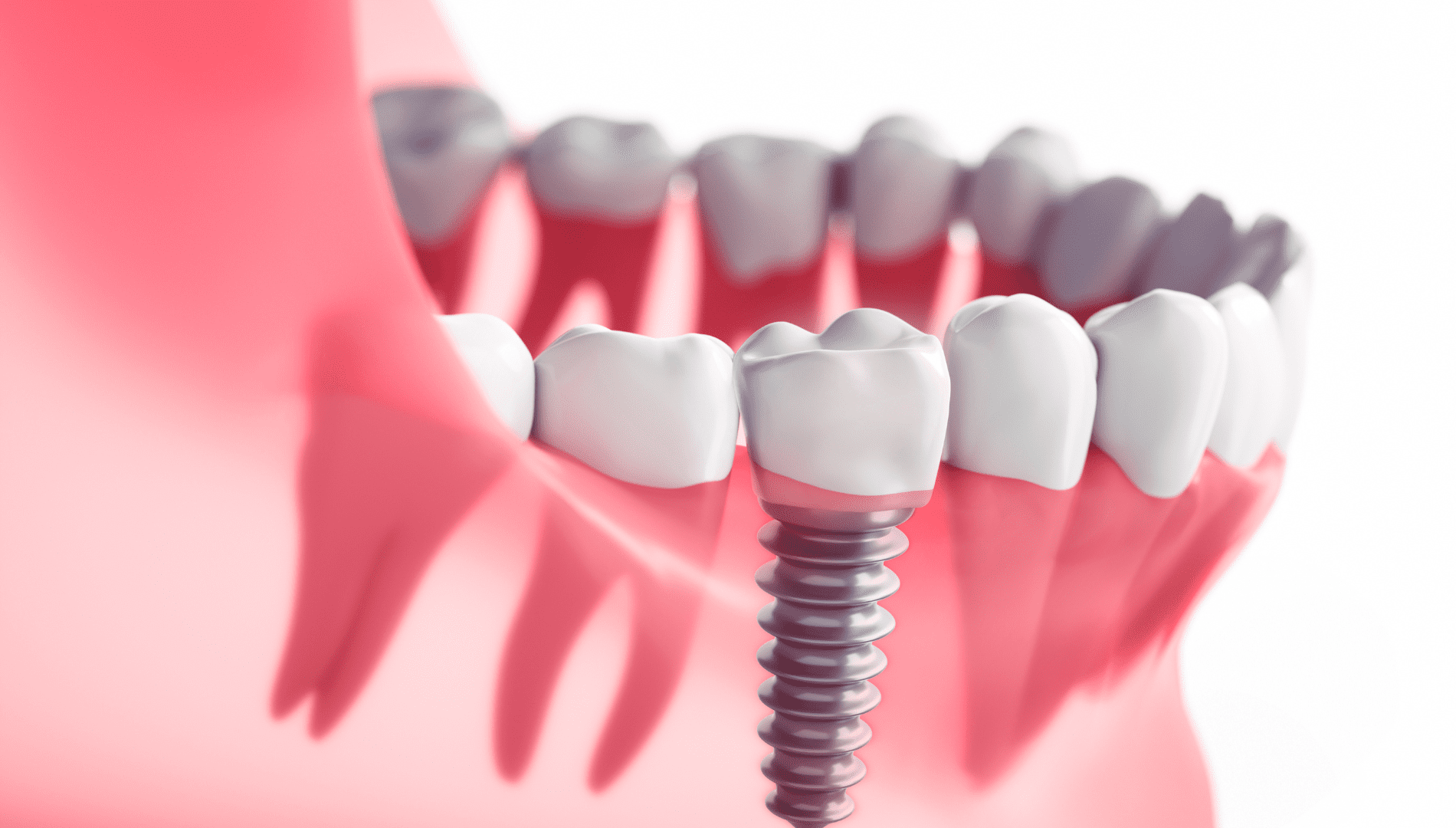
A dental implant is essentially an artificial tooth root, typically made of titanium, that is surgically placed into the jawbone to support replacement teeth. When you experience tooth loss, whether it’s due to injury, decay, or other reasons, a dental implant can provide a permanent and stable solution to replace a missing tooth. The dental implant body fuses with the jawbone through a process called osseointegration, creating a strong foundation for artificial teeth. Unlike a dental bridge or denture, a dental implant replaces the tooth root, offering superior support and preventing bone loss. A general dentist or a specialist in implant dentistry, like a periodontist, can assess your suitability and guide you through the dental implant procedure associated with dental implants. The American Academy of Periodontology is a great resource for finding qualified dental professionals.
Types of Dental Implants
Dental implants are a popular solution for replacing missing teeth and restoring oral function. There are several types of dental implants available, each designed for specific needs and conditions. Understanding these types can help patients make informed decisions during their dental implant treatment.
Endosteal Implants
Endosteal implants are the most common type of dental implant. They are placed directly into the jawbone and are typically made of titanium. This type of implant serves as an artificial tooth root, supporting a single tooth, dental bridge, or denture. The success of endosteal implants often depends on the quality and quantity of the jawbone.
Subperiosteal Implant
Subperiosteal Dental is placed on top of the jawbone but under the gum tissue. This type of implant may be an option for patients who do not have enough healthy jawbone and are not able to undergo bone grafting. The type of implant that is best for you will depend on the condition of your jawbone and your overall oral health. Your dentist will help you determine the most suitable type of dental implant.
Zygomatic Implants
Zygomatic implants are an alternative for patients with significant bone loss in the upper jaw. These implants are anchored in the zygomatic bone (cheekbone) rather than the jawbone, which allows for successful implant placement without the need for bone grafting. They are a viable solution for those seeking full mouth dental implants.
Mini Dental Implants
Mini dental implants are smaller in diameter than traditional implants and are often used for patients who may not have enough bone to support standard implants. They can be a great option for stabilizing dentures or as a single tooth replacement. Their less invasive placement procedure often results in quicker recovery times.
All-on-4 Implants
All-on-4 implants provide a full arch of replacement teeth using just four strategically placed implants. This innovative technique maximizes the use of available jawbone and minimizes the need for bone grafting. Patients can enjoy a complete set of new teeth in just one dental implant surgery.
All-on-6 Implants
Similar to All-on-4 implants, All-on-6 implants utilize six implants to support a full set of artificial teeth. This approach can enhance stability and support, particularly for patients with more extensive tooth loss or those requiring additional strength in their dental implant system.
Each type of dental implant serves a unique purpose and is chosen based on the patient’s individual needs, jawbone condition, and overall oral health. Consulting with a dental professional can help determine the most suitable type of implant for effective tooth replacement and a successful dental implant procedure.
How Dental Implants Work
The dental implant procedure involves several stages. First, the dentist will conduct a thorough examination to assess the implant site and determine if you’re a good candidate. The implant surgery itself then involves several key steps associated with dental implants:
- The implant body is surgically inserted into the jawbone.
- After implant placement, there’s a healing period, during which osseointegration occurs.
- Once integrated, an abutment is attached to the implant, serving as a connector for the replacement tooth.
- Finally, the artificial teeth are attached to the abutment, completing the dental implant system.
The new teeth look, feel, and function like natural teeth.
The Dental Implant Procedure
Preparation for Implant Surgery
Before undergoing implant surgery, a thorough evaluation is essential to ensure the success of the dental implant. The dentist or a specialist in implant dentistry will conduct a comprehensive oral examination, taking X-rays and possibly a CT scan to assess the implant site. This helps determine the bone density and overall health of the jawbone, crucial factors for successful dental implant placement. If the jawbone is insufficient to support the implant, procedures like bone grafting may be recommended before the implant surgery. Your dentist will also review your medical history to identify any conditions that may affect the implant treatment. The goal of this preparation is to minimize risks and optimize the outcome of the procedure.
Steps in the Dental Implant Surgery
The dental implant surgery involves several key steps. Initially, the implant site is prepared, and the implant body, typically made of titanium, is surgically placed into the jawbone. This part of the dental implant procedure requires precision to ensure proper alignment and stability. After implant placement, a healing period of several months follows, during which osseointegration occurs, allowing the implant to fuse with the jawbone. Once the implant is fully integrated, a second minor surgery is performed to attach an abutment to the implant. At that point, artificial teeth are connected to the implant abutment. These artificial teeth can take various forms:
- A crown, for replacing a single tooth.
- A bridge or denture, for replacing multiple teeth.
These replacement teeth are designed to look, feel, and function like natural teeth, providing a long-lasting solution for missing teeth.
Post-Operative Care
Post-operative care is crucial for ensuring the success of the dental implant and preventing implant failure. Following the dental implant surgery, it is important to adhere to the dentist’s instructions associated with dental implants. These instructions often include important steps such as:
- Taking prescribed medications, such as antibiotics, to prevent infection around the implant.
- Maintaining excellent oral hygiene by gently brushing and flossing around the implant to help prevent plaque buildup.
A soft food diet may be recommended during the initial healing period to avoid putting excessive pressure on the implant. Regular dental check-ups are necessary to monitor the implant site and ensure the implant remains stable. With proper care, dental implants can provide a long-term solution for tooth loss, restoring both function and aesthetics, and allowing you to enjoy new teeth that feel and function like natural teeth. Regular dental visits will help ensure the longevity of the dental implant system, which is crucial when dental implants require proper maintenance.
Benefits of Dental Implants
Tooth Replacement Advantages
Dental implants offer numerous advantages over other tooth replacement options, such as dentures or dental bridges. One of the most significant benefits is their stability. Because the implant is surgically fused to the jawbone through osseointegration, it provides a solid foundation for replacement teeth. This stability means you can eat, speak, and smile with confidence, without worrying about the artificial teeth slipping or shifting. Dental implants also closely mimic the look, feel, and function of natural teeth, providing a seamless and natural-looking restoration. Unlike a dental bridge, dental implants do not require altering adjacent teeth, preserving more of your natural tooth structure and reducing the risk of decay in those teeth. For single tooth replacement, the dental implant is often the most conservative option.
Long-Term Benefits of Implants
The long-term benefits of dental implants extend beyond just aesthetics and function. One of the most critical advantages is their ability to prevent bone loss in the jawbone. When a tooth is lost, the jawbone in that area begins to deteriorate over time. Dental implants, functioning as artificial tooth roots, stimulate the jawbone and prevent this bone loss, helping to maintain facial structure and prevent premature aging. Dental implants may also offer superior durability compared to other tooth replacement options, with the potential to last a lifetime with proper care. While the initial cost of dental implants may be higher than other treatments, their longevity and long-term benefits often make them a cost-effective solution in the long run. With routine dental check-ups, dental implants can provide decades of reliable service.
Impact on Oral Health
Beyond restoring individual teeth, dental implants have a profound impact on overall oral health. By filling the gaps left by missing teeth, dental implants help prevent shifting of adjacent teeth, which can lead to bite problems, jaw pain, and increased risk of tooth decay. Dental implant placement also facilitates easier oral hygiene because there are no gaps to be concerned about. Maintaining good oral hygiene around the implant is still of paramount importance, and the dental professional will instruct you on proper techniques to ensure that the implant site remains healthy. The benefits of improved chewing function, clear speech, and enhanced self-esteem contribute significantly to your overall quality of life. Regular dental visits are essential for monitoring the health of the dental implant system and ensuring its long-term success. By choosing dental implants, you may improve overall dental health.
Risks and Considerations
Potential Risks of Implant Surgery
Like any surgical procedure, implant surgery carries certain risks associated with dental implants. One potential complication is infection at the implant site. This risk can be minimized by following the dentist’s post-operative instructions and maintaining excellent oral hygiene. Another risk is nerve damage, which may result in temporary or permanent numbness in the gums, lips, or chin. Implant failure can also occur if the implant does not properly fuse with the jawbone through osseointegration. Other potential problems include sinus issues, particularly when implants are placed in the upper jaw during oral surgery. Your dentist will thoroughly evaluate your medical history and conduct a detailed examination to assess the risks and take precautions to minimize complications associated with the implant placement. Selecting an experienced dental professional is very important for mitigating potential problems. It is essential to discuss any concerns with your dentist before undergoing dental implant treatment.
Candidates for Dental Implants
Not everyone is a suitable candidate for dental implant treatment. Ideal candidates generally have good oral health and sufficient bone density in the jawbone to support the implant. Individuals with certain medical conditions, such as uncontrolled diabetes or severe heart disease, may not be good candidates. Heavy smokers may also experience a higher risk of implant failure. A thorough evaluation by a dentist or an implant dentistry specialist is essential to determine if you are a suitable candidate to get dental implants. During the evaluation, the dentist will assess your oral health, review your medical history, and take X-rays or CT scans to examine the implant site associated with dental implants. If you lack sufficient bone density, bone grafting may be necessary before the implant procedure to improve the chances of a successful outcome. If you have new teeth in mind, a consultation is the best way to evaluate your eligibility.
Cost of Dental Implants
The cost of dental implants can vary significantly depending on several factors, including the number of implants needed, the type of dental implant used, and the complexity of the implant placement. Additional procedures, such as bone grafting or sinus lifts, can also increase the overall cost. While the initial cost of dental implants may be higher compared to other tooth replacement options, such as dentures or dental bridges, many patients find that the long-term benefits and durability of dental implants make them a worthwhile investment. Dental implants can last a lifetime with proper care. Many dental insurance plans do not fully cover the cost of dental implants, so it’s essential to check with your provider. Some dental offices offer financing options to help make implant treatment more affordable. Despite the expense, dental implants provide a fixed tooth solution that functions and looks like natural teeth.
Maintenance and Longevity
How Long Do Implants Last?
One of the significant advantages of dental implants is their potential for long-term success. With proper care and maintenance, dental implants can last many years, or even a lifetime. The longevity of a dental implant depends on several factors, including the patient’s oral hygiene practices, overall health, and the location of the implant in the mouth. Regular dental check-ups and professional cleanings are essential for maintaining the health of the implant site and preventing problems such as peri-implantitis, which is an inflammation of the tissues around the implant. Avoiding habits such as smoking and teeth grinding can also help extend the lifespan of your dental implants. The robust nature of the dental implant body is often associated with successful restoration and long-term sustainability of the new teeth that replace a missing tooth.
Maintaining Your Dental Implants
Maintaining your dental implants is crucial for ensuring their longevity and preventing implant failure. Proper oral hygiene is essential, including brushing at least twice a day and flossing daily to remove plaque and bacteria around the implant. Special interdental brushes may be helpful for cleaning hard-to-reach areas around the implant abutment. Regular dental check-ups are necessary to monitor the implant site and ensure that the implant remains stable. Your dentist or dental professional may recommend specific cleaning techniques or oral hygiene products to use. Avoiding habits such as smoking and excessive alcohol consumption can also help maintain the health of your implants. With proper maintenance, dental implants can provide a long-term solution for missing teeth and dental implant treatment can last for a lifetime. It is important to place the implant under a regular recall schedule so you can continue to enjoy your replacement teeth.
When to Consult Your Dentist
Regular dental check-ups are essential for the long-term success of dental implants. You should consult your dentist if you experience any signs of problems around the implant site, such as redness, swelling, bleeding, or pain. These could be signs of an infection or peri-implantitis, which need prompt treatment to prevent implant failure. If you notice any loosening of the artificial teeth attached to the implant or difficulty chewing, you should also schedule an appointment with your dentist. Regular check-ups allow the dentist to monitor the health of the implant and identify any potential issues early on. The dentist can also provide professional cleanings to remove plaque and bacteria that you may not be able to reach with regular brushing and flossing. Early intervention can save the implant and ensure the new teeth are functioning for as long as possible. It is advised to schedule regular dental appointments to examine the implant.