Author: Admin

  • What is Smile Design? Types, Treatment & Its Cost

    What is Smile Design? Types, Treatment & Its Cost

    A beautiful smile has always been a symbol of confidence and attractiveness. However, not everyone is born with perfectly aligned, white teeth. This is where smile design comes into play. Smile design is a comprehensive approach to improving the appearance of your smile through various cosmetic dental procedures. It focuses not only on aesthetics but also on the overall health and function of your teeth. If you’ve ever felt self-conscious about your smile, smile design might be the solution you’ve been looking for.

    Exploring the Various Types of Smile Design

    Smile design encompasses a variety of treatments tailored to meet the unique needs of each patient. Some of the most common types include:

    1. Veneers
    2. Teeth Whitening
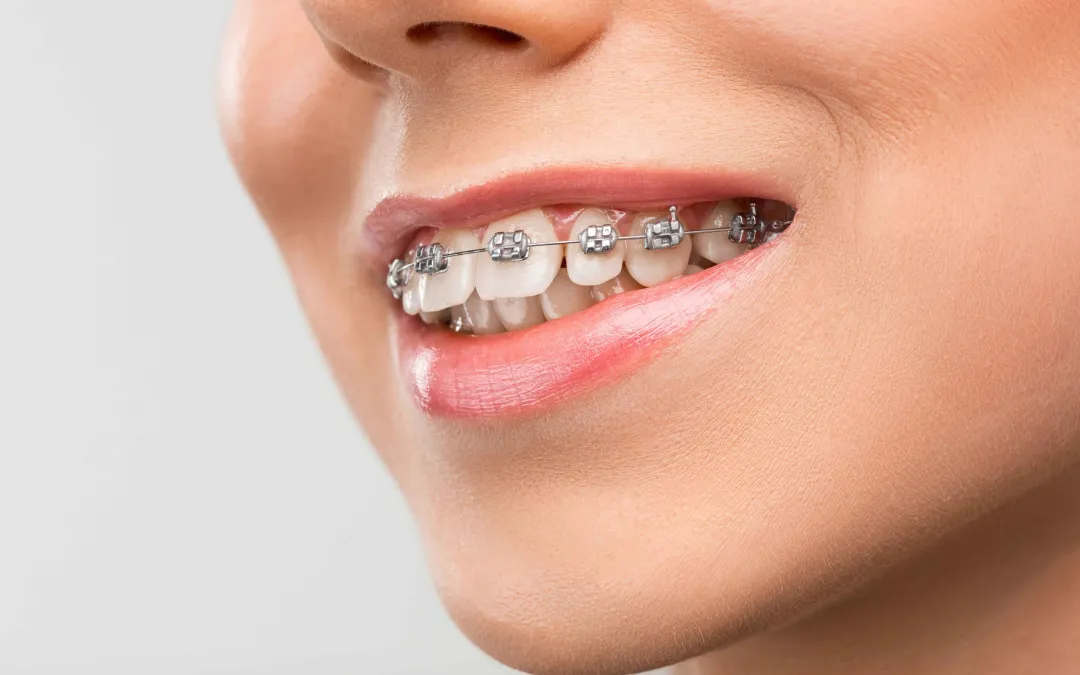
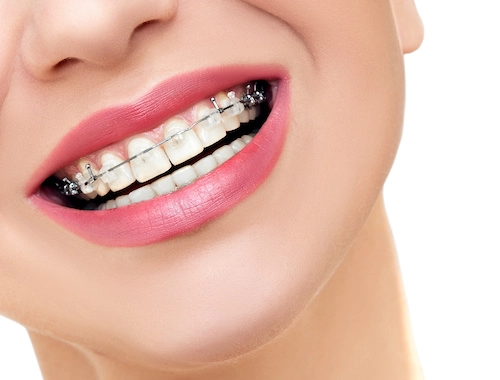
    3. Orthodontics

    These treatments can be performed individually or combined to achieve the desired outcome.

    Detailed Overview of Each Treatment Method

    Veneers

    Procedure:

    Veneers are thin, custom-made shells designed to cover the front surface of your teeth. They are typically made from porcelain or composite resin. The dentist removes a small amount of enamel from the tooth’s surface and then bonds the veneer to the tooth.

    Benefits:

    • Natural appearance
    • Stain-resistant
    • Can correct a wide range of dental issues, such as discoloration, chips, and gaps

    Potential Drawbacks:

    • Irreversible procedure
    • Can be costly
    • May require replacement over time

    Teeth Whitening

    Procedure:

    Teeth whitening involves using bleaching agents to remove stains and discoloration from your teeth. It can be done in-office by a dentist or at home using custom-made trays and whitening gels.

    Benefits:

    • Quick results
    • Non-invasive
    • Enhances the overall appearance of your smile

    Potential Drawbacks:

    • Temporary sensitivity
    • Not effective on all types of stains
    • May require multiple sessions for optimal results

    Orthodontics

    Procedure:

    Orthodontic treatments, such as braces or clear aligners, are used to straighten misaligned teeth and correct bite issues. The treatment involves gradually moving teeth into the desired position using brackets, wires, or clear plastic trays.

    Benefits:

    • Long-lasting results
    • Improves both function and aesthetics
    • Suitable for patients of all ages

    Potential Drawbacks:

    • Longer treatment duration
    • Can be uncomfortable
    • Requires regular maintenance and adjustments

    Factors Affecting the Cost of Smile Design

    The cost of smile design can vary widely based on several factors:

    • Materials: Porcelain veneers, for example, are generally more expensive than composite resin veneers.
    • Complexity: More complex cases requiring multiple procedures will naturally be more costly.
    • Location: The cost of dental treatments can vary significantly based on geographic location and the cost of living in that area.
    • Dentist’s Expertise: Highly experienced and reputable dentists may charge more for their services.

    Tips for Choosing the Right Smile Design Treatment

    Selecting the right smile design treatment involves considering your specific dental needs, budget, and aesthetic goals. Here are some tips to help you make an informed decision:

    1. Consult with a Qualified Dentist: Always seek the advice of a skilled and experienced cosmetic dentist. They can assess your dental condition and recommend the most suitable treatments.
    1. Evaluate Your Goals: Clearly define what you want to achieve with smile design. Are you looking to whiten your teeth, correct alignment, or fix gaps?
    1. Consider the Cost: Understand the cost implications of each treatment option and determine what fits within your budget.
    1. Research Different Treatments: Familiarize yourself with the various options available, including their benefits and potential drawbacks.

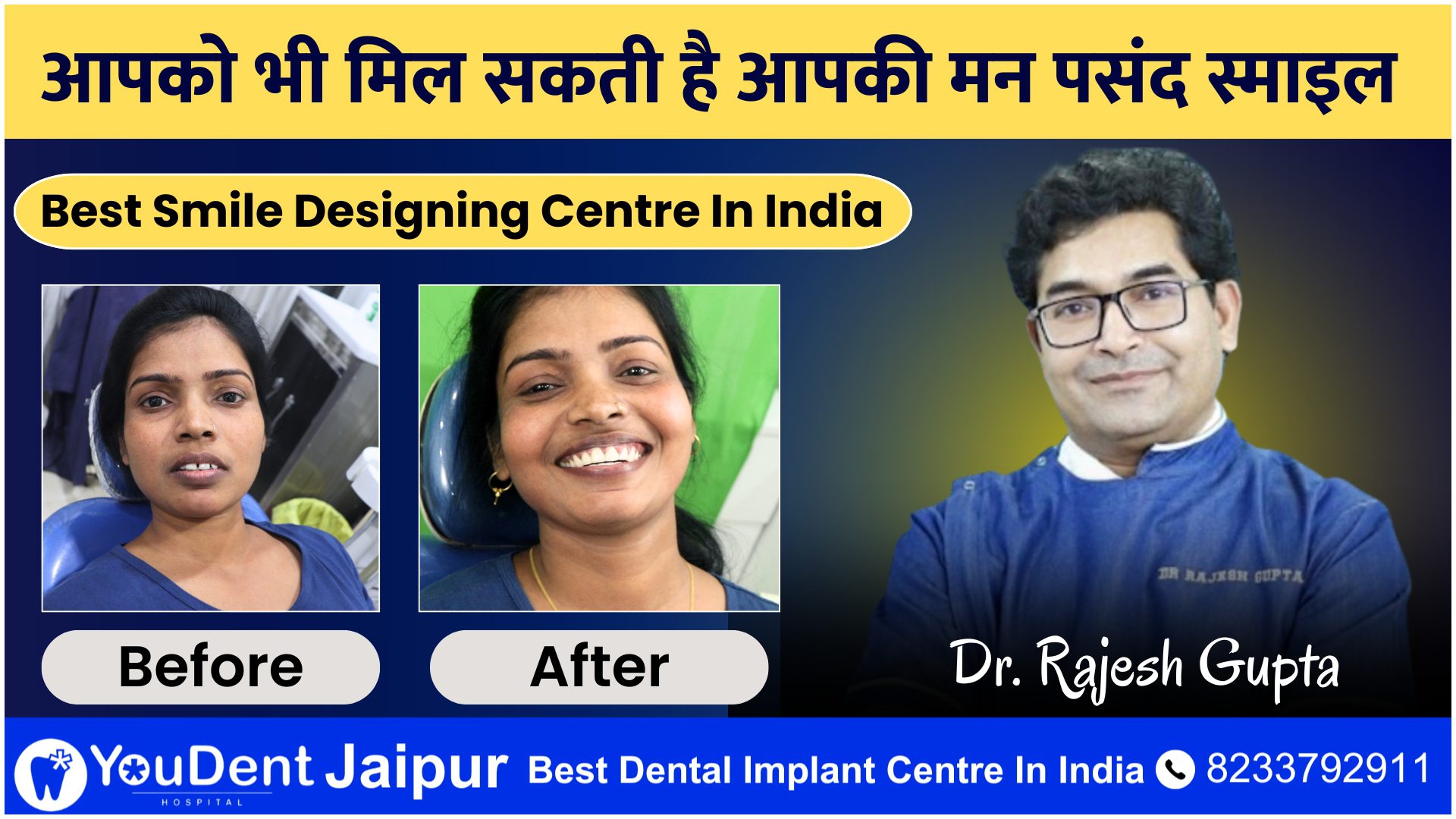
    Real-Life Patient Stories and Before-After Transformations

    Conclusion

    Smile design is more than just a cosmetic treatment; it’s a way to enhance your overall quality of life. Whether you’re looking to correct minor imperfections or achieve a complete smile makeover, consulting with a qualified dentist is crucial. They can guide you through the process, helping you choose the best treatments to meet your unique needs and goals. Remember, a beautiful smile is an investment in your self-esteem and well-being.

    By understanding the various aspects of smile design, including the types of treatments available, their benefits and drawbacks, and the factors affecting cost, you can make an informed decision and take the first step toward achieving the smile of your dreams.

    throughout your treatment and that you achieve the best possible outcome

    Frequently Asked Questions

    How long do smile design treatments take?

    • The duration varies depending on the treatment. Teeth whitening can be completed in a single session, while orthodontic treatments may take several months to a few years.

    Are smile design treatments painful?

    Most treatments are minimally invasive and involve little to no discomfort. Your dentist will take steps to ensure you’re comfortable throughout the process.

    Is smile design suitable for everyone?

    Smile design is generally suitable for most people. However, it’s essential to consult with a dentist to determine the best treatment options for your specific needs.

    Can I combine multiple smile design treatments?

    Yes, many patients opt for a combination of treatments to achieve their desired smile. Your dentist can create a customized plan tailored to your goals.
  • Everything About Mouth Ulcer Treatment – YouDent Hospital

    Everything About Mouth Ulcer Treatment – YouDent Hospital

    Mouth ulcers, those pesky and painful sores that appear in the mouth, can disrupt your day and make eating, drinking, and even talking a challenge. Beyond the discomfort, they remind us of the vital role oral health plays in our overall well-being. This detailed guide aims to demystify mouth ulcers, offering insight into their causes, treatment options, and preventive measures.

    Understanding Mouth Ulcers

    What Are Mouth Ulcers?

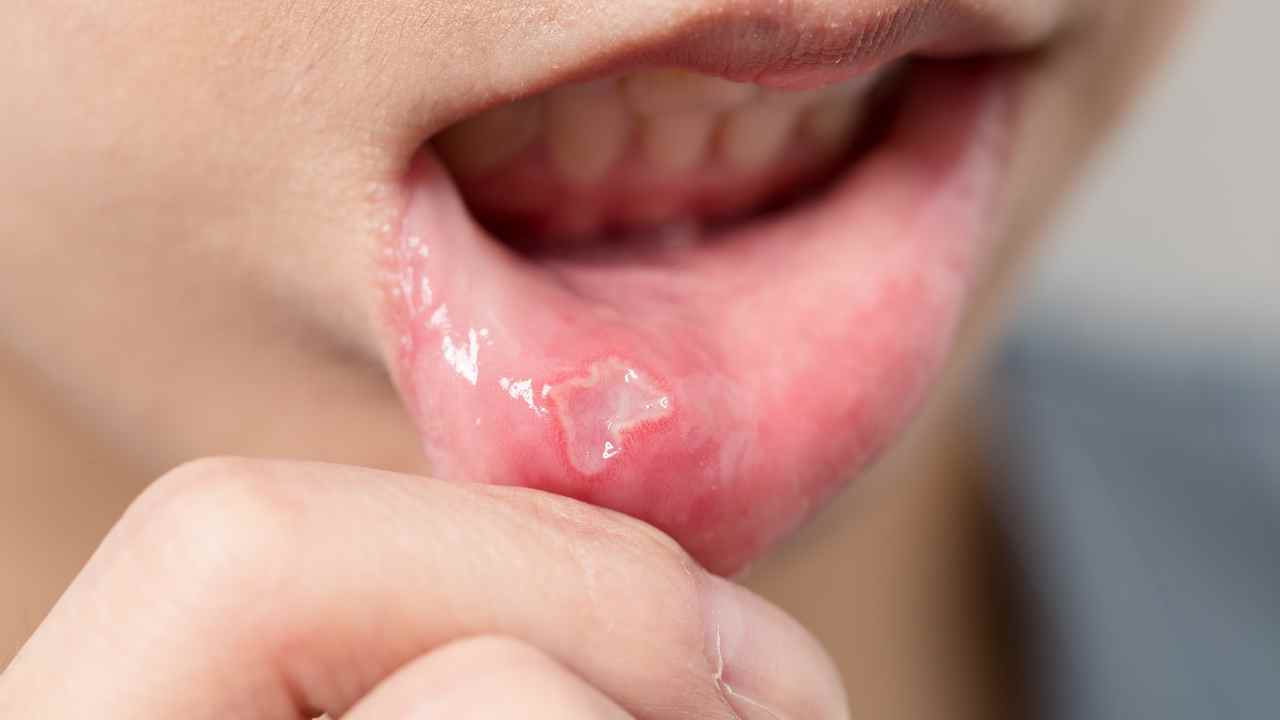
    Mouth ulcers, also known as canker sores, are small, shallow lesions that develop on the soft tissues in the mouth or at the base of the gums. Unlike cold sores, mouth ulcers are not contagious but can be quite bothersome.

    Types of Mouth Ulcers

    Mouth ulcers can be classified into three main types:

    1. Minor ulcers: Small and usually heal within two weeks without scarring.
    2. Major ulcers: Larger and deeper, often taking six weeks to heal and can leave scarring.
    3. Herpetiform ulcers: A cluster of dozens of smaller sores that merge into one larger ulcer. These can be particularly painful and may take longer to heal.

    Common Causes and Triggers

    The exact cause of mouth ulcers remains unclear, but several factors can trigger their development, including:

    • Minor mouth injuries from dental work, hard brushing, or accidental bites.
    • Sensitivities to acidic or spicy foods.
    • Vitamin deficiencies, particularly B12, zinc, folate, and iron.
    • Hormonal changes during menstruation.
    • Stress or lack of sleep.
    • Certain medications or medical conditions.

    Signs and Symptoms to Look Out For

    The most obvious sign of a mouth ulcer is a painful sore on the inside of your mouth. You might also notice:

    • Swelling and redness around the sore.
    • Difficulty eating or talking due to discomfort.
    • In severe cases, fever or swollen lymph nodes.

    Diagnosis and Treatment

    Diagnosing Mouth Ulcers

    Mouth ulcers are typically diagnosed based on the appearance of the sore. Your doctor or dentist might also review your medical history or conduct a few tests to rule out underlying conditions.

    Treatment Options

    Most minor mouth ulcers heal on their own within a couple of weeks. However, for pain relief and faster healing, treatments include:

    • Over-the-counter topical pastes and gels.
    • Mouth rinses with a steroid or antimicrobial ingredient.
    • Oral medications for more severe cases.
    • Laser therapy in some dental offices.

    Managing and Speeding Up Recovery

    • Avoid spicy, acidic foods that can irritate the ulcer.
    • Use a soft-bristled toothbrush and gentle toothpaste.
    • Apply ice to the ulcer or rinse your mouth with salt water.

    Prevention and Lifestyle Changes

    Dietary and Oral Hygiene Habits

    • Maintain a balanced diet rich in vitamins and minerals.
    • Keep up with good oral hygiene practices, including regular brushing and flossing.
    • Try to avoid foods that trigger your mouth ulcers.

    Lifestyle Changes

    • Manage stress through relaxation techniques like yoga or meditation.
    • Ensure you get enough sleep.
    • Quit smoking if you smoke, as it can exacerbate mouth ulcers.

    When consult with Doctor

    While most mouth ulcers are harmless and resolve without intervention, it’s crucial to seek medical advice if:

    • Your ulcers are unusually large or painful.
    • They persist for more than three weeks without signs of healing.
    • You experience frequent recurrences.
    • There are signs of bacterial infection, such as fever or significant swelling.

    Complications and Future Outlook

    Unattended mouth ulcers can lead to complications like secondary infections. The future of mouth ulcer treatment looks promising, with ongoing research into more effective healing methods and preventive measures.

    Conclusion

    Mouth ulcers might be small, but they can significantly impact your quality of life. Understanding their causes, treatment options, and preventive measures can help you manage them more effectively. Remember, maintaining good oral hygiene and a healthy lifestyle can go a long way in preventing these uncomfortable sores.

    We encourage you to share your experiences and tips for managing mouth ulcers. Together, we can support each other in achieving better oral health.

    throughout your treatment and that you achieve the best possible outcome.

    Frequently Asked Questions

    Can mouth ulcers indicate cancer?

    Most mouth ulcers are not cancerous. However, if you have a sore that doesn’t heal within three weeks, it’s crucial to get it checked by a professional.

    Are mouth ulcers contagious?

    No, unlike cold sores, mouth ulcers are not caused by a virus and are not contagious.

    Can diet affect mouth ulcers?

    Yes, deficiencies in certain vitamins and minerals can increase your risk of developing mouth ulcers. A balanced diet is essential for prevention.

    How can I prevent mouth ulcers?

    Avoiding known triggers, maintaining good oral hygiene, and adopting a healthy lifestyle can help prevent the occurrence of mouth ulcers.

  • Root Canal Treatment in Hindi : रूट कैनाल ट्रीटमेंट लक्षण, उपचार, सावधानियाँ

    Root Canal Treatment in Hindi : रूट कैनाल ट्रीटमेंट लक्षण, उपचार, सावधानियाँ

    दांत में दर्द होना एक आम समस्या है, जिसके कई कारण हो सकते हैं। इनमें से एक कारण दांत का गंभीर संक्रमण भी हो सकता है। ऐसे में रूट कैनाल ट्रीटमेंट एक प्रभावी उपाय है, जो आपके दांत को निकालने से बचा सकता है। आइए इस ब्लॉग में रूट कैनाल ट्रीटमेंट के बारे में विस्तार से जानें।

    रूट कैनाल ट्रीटमेंट क्या है? Root Canal Treatment in Hindi

    रूट कैनाल ट्रीटमेंट एक डेंटल प्रक्रिया है, जिसमें गंभीर रूप से संक्रमित दांत का इलाज किया जाता है। दांत के बीच का भाग, जिसे पल्प कहते हैं, उसमें नसों और रक्त वाहिकाएं होती हैं। यह भाग संक्रमित होने पर दांत में तेज दर्द, सूजन और मवाद जैसी समस्याएं हो सकती हैं। रूट कैनाल ट्रीटमेंट में डॉक्टर इस संक्रमित पल्प को हटा देते हैं और दांत की जड़ों को साफ करके सील कर देते हैं।

    कब करवाना चाहिए रूट कैनाल ट्रीटमेंट?

    निम्नलिखित लक्षणों का अनुभव होने पर आपको रूट कैनाल ट्रीटमेंट की आवश्यकता हो सकती है:

    • दांत में लगातार और तेज दर्द
    • गर्म या ठंडा लगने पर तेज दर्द
    • दांत में सूजन या मसूड़ों में मवाद आना
    • दांत का रंग बदल जाना
    • दांत में चबाने पर तकलीफ होना

    रूट कैनाल ट्रीटमेंट की प्रक्रिया कैसी होती है?

    रूट कैनाल ट्रीटमेंट को आमतौर पर एक या दो बार में पूरा किया जाता है:

    पहला चरण: डॉक्टर संक्रमित दांत को सुन्न कर देंगे और फिर दांत के ऊपर एक रबर का आवरण लगाएंगे। इसके बाद, वे दांत के ऊपरी हिस्से को ड्रिल करके पल्प तक पहुंचेंगे। संक्रमित पल्प और दांत की जड़ों को साफ करके उन्हें एंटीसेप्टिक घोल से धोया जाएगा।

    दूसरा चरण: दांत की जड़ों को सीलिंग मैटेरियल से भरकर बंद कर दिया जाएगा। कुछ मामलों में, डॉक्टर अस्थायी क्राउन लगा सकते हैं। अगली मुलाकात में दांत को मजबूती देने के लिए स्थायी क्राउन या फिलिंग लगाई जाएगी।

    रूट कैनाल ट्रीटमेंट के बाद क्या करें?

    • उपचार के बाद हल्का दर्द या तकलीफ होना सामान्य है। डॉक्टर आपको दर्द निवारक दवाएं दे सकते हैं।
    • उपचार वाले दांत पर ज्यादा जोर न दें और मुलायम चीजें खाएं।
    • कुछ दिनों तक गर्म या ठंडा खाने-पीने से बचें।
    • डॉक्टर के दिए गए निर्देशों का पालन करें।

    रूट कैनाल के मिथक और तथ्य:

    मिथक: रूट कैनाल ट्रीटमेंट बहुत दर्दनाक होता है।

    तथ्य: आधुनिक दंत चिकित्सा में एनेस्थीसिया का इस्तेमाल होता है, जिससे यह प्रक्रिया काफी हद तक दर्द रहित होती है।

    मिथक: रूट कैनाल करवाने से कैंसर का खतरा रहता है।

    तथ्य: रूट कैनाल संक्रमण को दूर करने का एक उपचार है, जिसका कैंसर से कोई संबंध नहीं है।

    रूट कैनाल ट्रीटमेंट दांत को बचाने का एक प्रभावी तरीका है। यदि आपको दांत में दर्द या संक्रमण के लक्षण दिखाई दें, तो तुरंत डॉक्टर से सलाह लें। समय पर इलाज करवाने से आप अपने दांत को स्वस्थ रख सकते हैं और भविष्य में होने वाली जटिलताओं से बच सकते हैं।

  • How to care for your teeth and gums when you have braces

    How to care for your teeth and gums when you have braces

    If you have braces, it’s important to take extra care of your teeth and gums to ensure that they remain healthy throughout the duration of your treatment. Braces can make it more difficult to clean your teeth properly, and if you neglect your oral hygiene, you could develop tooth decay or gum disease. Here are some tips to help you care for your teeth and gums while you have braces:.

    1. Brush your teeth regularly: Brush your teeth at least twice a day, and preferably after every meal. Use a soft-bristled toothbrush and fluoride toothpaste. Brush in circular motions, and be sure to brush all surfaces of your teeth, including around the brackets and wires.
    2. Floss daily: Flossing is especially important when you have braces, as it helps to remove food particles and plaque from between your teeth and braces. Use a floss threader to thread the floss under the wire, and then floss between your teeth as you normally would.
    3. Use an interdental brush: An interdental brush can help you clean between the brackets and wires more effectively than regular floss. Use the brush to gently clean between your teeth and around the brackets.
    4. Avoid hard, sticky, and sugary foods: Hard and sticky foods can damage your braces, while sugary foods can lead to tooth decay. Avoid foods like popcorn, gum, hard candy, and soda.
    5. Rinse your mouth regularly: Rinse your mouth with water after every meal to help remove any food particles that may be stuck in your braces or between your teeth.
    6. Visit your orthodontist regularly: Schedule regular check-ups with your orthodontist so that they can monitor your progress and ensure that your braces are working properly.

    Taking good care of your teeth and gums while you have braces may take a little extra effort, but it’s well worth it in the long run. By following these tips, you can help ensure that your teeth and gums remain healthy throughout your treatment and that you achieve the best possible outcome.

  • 5 Advancements in Dental Technology Revolutionizing Oral Health Care

    5 Advancements in Dental Technology Revolutionizing Oral Health Care

    Advances in dental technology and their benefits for patients 

    Over the past decade, there have been tremendous advancements in dental technology, leading to more efficient and effective dental treatments. These technological innovations have changed the face of dentistry, making it possible for dentists to provide their patients with more accurate diagnoses, faster treatment times, and better results. In this article, we will explore some of the latest dental technology and how it benefits patients.

    1. Digital X-Rays

    Digital x-rays have revolutionized the way dentists diagnose and treat dental problems. Unlike traditional x-rays, which use film, digital x-rays produce instant images that can be viewed on a computer screen. This technology not only reduces the amount of radiation exposure to the patient, but it also allows the dentist to zoom in on specific areas of the image to identify any potential problems.

    1. Intraoral Cameras

    Intraoral cameras are small cameras that allow the dentist to get a close-up view of a patient’s teeth and gums. The camera is placed inside the patient’s mouth and takes real-time images of the teeth and gums, which are then displayed on a computer screen. This technology allows the dentist to identify problems that may not be visible to the naked eye, such as small cracks or cavities.

    1. 3D Printing  3D printing has become an increasingly popular technology in dentistry. It allows dentists to create highly accurate and customized dental appliances, such as braces, retainers, and dentures. The use of 3D printing has reduced the time it takes to produce dental appliances and has also made them more affordable.
    1. Laser Dentistry

    Laser dentistry uses a beam of light to remove or reshape tissue. This technology is often used in gum treatments, such as gum reshaping or gum disease treatment. Laser dentistry is less invasive than traditional methods and promotes faster healing times.

    1. CEREC Technology

    CEREC (Chairside Economical Restoration of Esthetic Ceramics) Technology allows dentists to fabricate and insert crowns in a single visit. With CEREC technology, the dentist uses a digital scanner to create a 3D image of the tooth, which is then used to create a custom crown. This technology eliminates the need for multiple visits and temporary crowns, making the process faster and more convenient for patients.

    The benefits of these technologies are clear: they improve accuracy, reduce treatment times, and increase patient comfort. They also make dental treatments more accessible and affordable, making it possible for more people to receive the dental care they need.

    In conclusion, Dental technology has come a long way in recent years, and patients are reaping the benefits. From digital x-rays to 3D printing and laser dentistry, these technologies are improving the way dentists diagnose and treat dental problems. Patients at the best dental hospital in Jaipur can now receive faster, more accurate, and more comfortable dental treatments, making it easier for them to maintain good oral health.

  • The Benefits of Orthodontic Treatment

    The Benefits of Orthodontic Treatment

    Orthodontic treatment, including the best Orthodontic treatment in Jaipur, involves correcting misaligned teeth and jaws. It is a common dental procedure that significantly impacts a person’s overall oral health and well-being. This article explores the benefits of orthodontic treatment, such as improved dental health, enhanced self-confidence, and a more comfortable bite.

    1. Improved Dental Health

    One of the primary benefits of orthodontic treatment is improved dental health. Misaligned teeth and jaws can lead to a range of dental problems, including cavities, gum disease, and even tooth loss. When teeth are crowded or crooked, they can be more difficult to clean properly, which can lead to the buildup of plaque and bacteria. Over time, this can result in tooth decay and gum disease.

    Orthodontic treatment can help to straighten teeth and align jaws, making it easier to maintain good oral hygiene. By creating a more even bite and closing gaps between teeth, orthodontic treatment can also reduce the risk of tooth decay and gum disease.

    1. Enhanced Self-Confidence

    Another benefit of orthodontic treatment is enhanced self-confidence. Misaligned teeth and jaws can cause people to feel self-conscious about their smile, which can lead to a lack of confidence in social and professional situations. Orthodontic treatment can help to improve the appearance of the teeth and create a more attractive smile, which can boost self-esteem and improve overall well-being.

    1. More Comfortable Bite

    Orthodontic treatment can enhance the bite, which can facilitate clearer speech and easier food chewing. Misaligned teeth can put pressure on certain teeth or cause uneven wear, which can lead to discomfort and pain. By correcting these issues, orthodontic treatment can create a more comfortable bite and reduce the risk of dental problems.

    1. Prevents Further Dental Problems

    Orthodontic treatment can also prevent further dental problems from occurring. When teeth are misaligned, they can put pressure on other teeth or cause uneven wear, which can lead to additional dental problems over time. By correcting these issues, orthodontic treatment can prevent future dental problems and reduce the need for more extensive dental work in the future.

    In conclusion, Orthodontic treatment offers numerous benefits for both dental health and overall well-being. By seeking care at the best dental hospital in Jaipur, you can improve your dental health, enhance self-confidence, achieve a more comfortable bite, and prevent future dental problems. Orthodontic treatment can positively impact your quality of life by addressing misalignments effectively. If you are considering this treatment, consult your dentist or orthodontist to explore the best options for your needs.

  • How to Overcome Dental Anxiety: Tips and Strategies for a Stress-Free Dental Experience

    How to Overcome Dental Anxiety: Tips and Strategies for a Stress-Free Dental Experience

    Dental anxiety is a common fear that affects many people. It can prevent them from seeking necessary dental treatment, which can lead to further dental problems. Here are some tips and strategies to help you overcome dental anxiety and have a stress-free dental experience.

    1. Communicate with your dentist: Talk to your dentist about your fears and concerns. A good dentist will listen to your worries and work with you to create a plan that makes you feel comfortable.
    2. Choose a dentist who specializes in anxiety management: Look for a dentist who is experienced in managing anxiety in patients. They can offer a range of techniques to help you relax, such as sedation dentistry, which can make your visit much more comfortable.
    3. Practice relaxation techniques: Before your appointment, try deep breathing, progressive muscle relaxation, or meditation to help calm your nerves.
    4. Bring a friend or family member: Having someone you trust by your side can provide comfort and support during your dental visit.
    5. Distract yourself: Bring your favorite music, audiobook, or podcast to listen to during the appointment. This can help take your mind off the procedure and help you relax.
    6. Use visualization:Think of a tranquil setting, like a beach or a forest. Focus on the details of the scene to help distract yourself from the dental procedure.
    7. Take breaks: If you feel overwhelmed during the procedure, ask for a break. This can give you a chance to relax and regroup before continuing.
    8. Reward yourself: Plan a reward for yourself after the appointment, such as a favorite meal or activity. This can help you focus on the positive aspects of the experience and reduce anxiety for future appointments.

    Remember, dental anxiety is common, and you are not alone. By using these strategies and working with your dentist, you can overcome your fears and have a stress-free dental experience.

  • Smile Brighter: Expert Tips for Maintaining Healthy Dental Habits

    Smile Brighter: Expert Tips for Maintaining Healthy Dental Habits

    A bright and healthy smile can be a valuable asset, both personally and professionally. But maintaining good oral hygiene and overall dental health requires more than just brushing and flossing regularly. Here are some healthy habits recommended by dental experts that can help you achieve and maintain a brighter, healthier smile:

    1. Brush and floss regularly

    The foundation of good oral hygiene is brushing your teeth at least twice a day and flossing at least once a day. Brushing helps remove plaque and bacteria from the surface of your teeth while flossing removes debris and bacteria from between your teeth and gums. Use fluoride toothpaste and a soft-bristled brush, and be sure to brush for at least two minutes each time.

    1. Use mouthwash

    In addition to brushing and flossing, using a mouthwash can help kill bacteria that cause bad breath and gum disease. Choose a mouthwash that contains fluoride and has been approved by the American Dental Association (ADA) for safety and effectiveness.

    1. Drink plenty of water

    Drinking water throughout the day can help keep your mouth hydrated and wash away food particles and bacteria that can lead to tooth decay and gum disease. Water also helps neutralize acids in your mouth, which can erode tooth enamel over time.

    1. Limit sugary and acidic foods and drinks

    Sugary and acidic foods and drinks can be harmful to your teeth, causing erosion of tooth enamel and increasing the risk of cavities. Limit your intake of soda, candy, and other sugary or acidic foods, and be sure to brush your teeth after consuming them.

    1. Get regular dental check-ups and cleanings

    Regular dental check-ups and cleanings are essential for maintaining good oral health. Your dentist can check for signs of tooth decay, gum disease, and other oral health problems, and provide treatment as needed. Dental cleanings can also remove plaque and tartar buildup that can lead to gum disease and tooth decay.

    1. Wear a mouthguard during sports

    If you participate in contact sports or other activities that can result in dental injuries, wearing a mouthguard can help protect your teeth and gums from damage. Your dentist can provide a custom-fitted mouthguard that is comfortable and effective.

    1. Quit smoking

    Smoking and using other tobacco products can have serious negative effects on your oral health, increasing the risk of gum disease, tooth loss, and oral cancer. Quitting smoking can help improve your overall health and reduce your risk of dental problems.

    By following these healthy habits recommended by dental experts, you can help ensure that your teeth and gums stay healthy and your smile stays bright for years to come. Talk to your dentist about other steps you can take to improve your oral health and be sure to schedule regular check-ups and cleanings to stay on top of any potential problems.

  • The Invisible Hero: The Importance of Enamel in Dental Health

    The Invisible Hero: The Importance of Enamel in Dental Health

    Enamel is the outermost layer of our teeth and is an essential component of maintaining our dental health. It is the hardest and most mineralized substance in the human body, and provides a strong, protective layer that shields the sensitive dentin layer underneath from damage caused by chewing, biting, and grinding. In addition to protection, enamel offers several other benefits for our dental health.

    1. Resists Acid Erosion: Enamel is highly resistant to acid erosion caused by sugary and acidic foods and drinks. It serves as a protective barrier that prevents harmful bacteria from reaching the dentin layer and causing cavities.
    2. Helps Maintain Tooth Shape: Enamel plays a crucial role in maintaining the shape of our teeth. Without enamel, our teeth would be more prone to wear and tear, leading to chipping and cracking, which can cause pain and sensitivity.
    3. Provides Aesthetics: Enamel gives our teeth a shiny, white appearance, which is an important factor in our overall appearance. A healthy layer of enamel reflects light, giving our teeth a bright, attractive look.
    4. Enhances Chewing Ability: Enamel helps us to chew our food more effectively. It provides a hard, flat surface for our teeth to come together, allowing us to break down food into smaller particles for easier digestion.
    5. Prevents Sensitivity: Enamel protects the tooth from sensitivity caused by hot or cold food and drinks. Without enamel, the underlying dentin layer would be exposed, making the tooth more sensitive to temperature changes.

    In conclusion, the benefits of enamel in teeth are numerous and essential for maintaining good oral health. It protects our teeth from acid erosion, helps to maintain tooth shape, enhances our chewing ability, provides aesthetics, and prevents sensitivity. It is important to take care of our enamel by practicing good oral hygiene, including regular brushing, flossing, and routine dental check-ups, to keep our teeth healthy and strong.

  • The impact of diet on oral health

    The impact of diet on oral health

    Our diet plays a vital role in keeping our body healthy, including our teeth and gums. The food we eat affects the composition of our saliva and the pH level in our mouth, which can either support or harm oral health. In this article, we will discuss how diet impacts oral health and provide some tips on how to maintain good oral health through a healthy diet..

    The Role of Saliva

    Saliva is a crucial component in maintaining good oral health. It helps to wash away food particles and neutralize acid that can harm our teeth and gums. Our diet plays a crucial role in the composition of our saliva. For example, eating foods high in sugar and carbohydrates can increase the production of acid in our mouth, which can erode tooth enamel and lead to cavities. Eating foods high in fiber, such as fruits and vegetables, can help stimulate the production of saliva and neutralize acid in our mouth.

    The pH Level in Our Mouth

    The pH level in our mouth is another critical factor in maintaining good oral health. The pH level is a measure of acidity, with a pH of 7 being neutral. Our mouth’s natural pH level is slightly acidic, around 5.5 to 7.5, which is necessary for the digestion of food. However, when the pH level drops below 5.5, it can cause demineralization of tooth enamel and lead to tooth decay.

    Foods that are high in sugar and carbohydrates can lower the pH level in our mouth, making it more acidic. On the other hand, eating foods that are high in calcium and phosphate, such as milk and cheese, can help neutralize the acid and increase the pH level in our mouth. Eating foods high in fiber, such as fruits and vegetables, can also help raise the pH level in our mouth.

    Impact of Specific Foods on Oral Health

    While a healthy and balanced diet is essential for maintaining good oral health, some specific foods can have a more significant impact than others. Here are some examples:

    • Sugar: Consuming too much sugar can increase the production of acid in our mouth, leading to tooth decay. Sugary drinks, such as soda and sports drinks, are especially harmful to oral health.
    • Acidic Foods: Foods that are high in acid, such as citrus fruits and tomatoes, can erode tooth enamel and lead to tooth decay.
    • Starchy Foods: Starchy foods, such as potato chips and bread, can get stuck in between teeth and lead to plaque build-up.
    • Fruits and Vegetables: Fruits and vegetables that are high in fiber, such as apples and carrots, can help stimulate the production of saliva, neutralize the acid in our mouth, and help scrub away plaque.
    • Calcium and Phosphate-rich Foods: Foods that are high in calcium and phosphate, such as milk and cheese, can help neutralize acid and remineralize tooth enamel.

    Tips for Maintaining Good Oral Health Through Diet

    Here are some tips for maintaining good oral health through a healthy diet:

    1. Limit Sugar and Acidic Foods: Limit your intake of sugary and acidic foods, such as soda, candy, and citrus fruits.
    2. Eat Calcium and Phosphate-rich Foods: Incorporate calcium and phosphate-rich foods into your diet, such as milk, cheese, and leafy green vegetables.
    3. Chew Sugarless Gum: Chewing sugarless gum can help stimulate the production of saliva, which can help neutralize acid in our mouth and wash away food particles.
    4. Drink Plenty of Water: Drinking plenty of water can help wash away food particles and keep our mouth hydrated.

    Summary:- This article discusses how our diet plays a crucial role in maintaining good oral health. It explains how the composition of our saliva and the pH level in our mouth are affected by the food we eat and how it can either support or harm our oral health. The article provides specific examples of foods that can impact our oral health, such as sugar, acidic foods, starchy foods, fruits and vegetables, and calcium and phosphate-rich foods. It also gives tips for maintaining good oral health through a healthy diet, such as limiting sugar and acidic foods, incorporating calcium and phosphate-rich foods, chewing sugarless gum, drinking plenty of water, and eating a balanced diet. Overall, the article emphasizes the importance of a healthy and balanced diet in maintaining good oral health.