Youdent Hospital

Blog

  • FAQs About Smile Design

    Skip to main content
    < All Topics

    FAQs About Smile Design

    Frequently Asked Questions

    Smile Design is a cosmetic dental procedure that improves the appearance of your smile through customized treatments such as veneers, crowns, teeth whitening, and gum reshaping — based on your facial features and dental structure.

    Anyone unhappy with their smile due to chipped, discolored, misaligned, or uneven teeth can benefit from Smile Design. Your dentist will evaluate your oral health before recommending the procedure.

    The results of Smile Design can last for many years with proper oral hygiene and regular dental check-ups. However, factors like diet, habits, and aging may require occasional touch-ups.

    The duration varies depending on the complexity of your case. Some treatments can be completed in 1–2 visits, while comprehensive Smile Design procedures may take 2–4 weeks.

    The cost depends on the number and type of procedures involved — such as veneers, crowns, or whitening. Your dentist can provide a personalized estimate after evaluation.

    Table of Contents
  • FAQs About Dental Implant

    Skip to main content
    < All Topics

    FAQs About Dental Implant

    FAQs About – All-on-4 Dental Implants

    Implant failure is very rare with proper planning and care. If it does happen, an experienced surgeon can often replace the failed implant. In some cases, a different treatment plan may be considered, but a skilled team will have protocols in place to manage this unlikely event.

    The implants and the bridge are made of artificial materials, so they cannot get cavities. However, you can still get gum disease (peri-implantitis) around the implants if you don’t maintain excellent oral hygiene. This is why daily cleaning and regular professional check-ups are so important.

    Your temporary bridge might feel slightly bulky at first as your mouth adjusts. However, the final bridge, especially a zirconia one, is custom-milled to be sleek, smooth, and feel incredibly natural. Most patients quickly forget it’s even there.

    The initial surgical phase and placement of your temporary bridge happen in one day. You will then have a healing period of 3-6 months. After that, it takes a few appointments over several weeks to fabricate and place your final, permanent bridge. The total time is typically around 4-6 months.

    FAQs About All-on-6 Implants

    Smoking can increase the risk of complications, so it’s best to quit before undergoing the procedure.

    Most patients report minimal discomfort, as the procedure is done under anesthesia.

    The surgery itself takes about 2-4 hours per arch, but the entire process, including healing, can take 3-6 months.

    FAQs About Endosteal Dental Implants

    A: Endosteal dental implants are titanium or zirconia posts surgically placed into the jawbone to replace missing tooth roots, providing a stable foundation for crowns, bridges, or dentures.

     Ideal candidates have healthy gums, sufficient jawbone density, and overall good health. Chronic conditions like uncontrolled diabetes or smoking may affect healing.

    The surgical placement usually takes 1–2 hours per implant. Healing and osseointegration can take 3–6 months before the final restoration is attached.

     Most patients experience minimal discomfort thanks to local anesthesia. Some soreness or swelling post-surgery is normal and manageable with pain relievers.

     Risks include infection, nerve injury, or implant failure. Choosing an experienced oral surgeon and following post-op care significantly reduces these risks.

    FAQs About Full Mouth Implants

    The procedure for full mouth implants is performed under local anesthesia or sedation, so you won’t feel any pain during the surgery. Some discomfort, swelling, or soreness is normal during the recovery period, but this can be managed with prescribed painkillers and following your dentist’s post-operative care instructions.

    Yes! One of the biggest advantages of full mouth implants is that they allow you to eat all your favorite foods without restrictions. Unlike dentures, which can slip or make chewing difficult, implants provide a stable and secure foundation for chewing. You can enjoy everything from crunchy vegetables to chewy meats with confidence.

    If you don’t have enough jawbone to support implants, your dentist may recommend a bone graft or sinus lift to build up the bone. Alternatively, zygomatic implants can be used, which are anchored in the cheekbone instead of the jawbone. These options make it possible for most patients to receive full mouth implants, even with significant bone loss.

    In India, most dental insurance plans do not cover the full cost of implants, as they are considered a cosmetic procedure. However, some plans may cover a portion of the cost, especially if the implants are deemed medically necessary. It’s best to check with your insurance provider for specific details.

    Caring for full mouth implants is similar to caring for natural teeth. Brush twice a day, floss daily, and use an antibacterial mouthwash to keep your implants clean. Regular dental check-ups are essential to monitor the health of your implants and surrounding tissues. Avoid habits like chewing on hard objects or grinding your teeth, as these can damage the prosthetic teeth.

    Full mouth implants are designed to last a lifetime with proper care. The titanium implants themselves are highly durable and resistant to wear. However, the prosthetic teeth (crowns or bridges) may need replacement every 10-15 years due to normal wear and tear. Regular dental check-ups and good oral hygiene are key to maximizing their lifespan.

    Yes, smokers can get full mouth implants, but smoking increases the risk of implant failure. Smoking affects the healing process and can lead to complications like infection or poor osseointegration (the fusion of the implant with the jawbone). Dentists often recommend quitting smoking before and after the procedure to improve success rates.

    The success rate of full mouth implants is very high, typically around 95-98%. Factors like the patient’s overall health, oral hygiene, and the expertise of the dentist play a crucial role in ensuring a successful outcome. Regular follow-ups and proper care can further enhance the longevity of the implants.

    Yes, full mouth implants are considered superior to traditional dentures for several reasons:

    • They are permanently fixed and don’t slip or move.
    • They provide better chewing efficiency and speech clarity.
    • They prevent bone loss by stimulating the jawbone.
    • They look and feel more natural.

    While dentures are more affordable upfront, implants offer better long-term benefits and durability.

    The entire process can take anywhere from 3 to 6 months, depending on your individual case. This includes the initial consultation, implant placement surgery, healing time for osseointegration, and the placement of the final prosthetic teeth. In some cases, immediate load implants (teeth in a day) may be an option, significantly reducing the timeline.

    FAQs About Immediate Dental Implants

    Look for a dentist with experience in implantology and positive patient reviews.

    Many dental clinics offer financing plans to make the procedure more affordable.

    Yes, they are designed to mimic the appearance and function of natural teeth.

    You’ll need to follow a soft diet during the healing period but can resume normal eating once fully healed

    The success rate is 95-98% when performed by an experienced dentist.

    While the initial cost may seem high, they are a long-term investment in your oral health.

    Smoking can affect healing and increase the risk of implant failure. It’s best to quit before undergoing the procedure.

    With proper care, Immediate Dental Implants can last a lifetime.

    The procedure is performed under local anesthesia, so you won’t feel pain. Mild discomfort may occur during recovery.

    The entire process, including tooth extraction and implant placement, can be completed in a single visit.

    FAQs About Mini Dental Implants

    Smoking can affect healing, so it’s best to quit before the procedure.

    Most patients recover within 1-2 days.

    Yes, they are an excellent option for older adults.

    With proper care, they can last 10-15 years or more.

    The procedure is minimally invasive and involves little to no discomfort.

    The procedure can often be completed in a single visit.

    In most cases, no bone grafting is needed.

    Some dental insurance plans may cover part of the cost. Check with your provider.

    The cost ranges from ₹20,000 to ₹50,000 per implant.

    Yes, once healed, you can enjoy all your favorite foods.

    FAQs About Multiple Tooth Implants

    Most patients report feeling very little pain during the procedure itself due to effective local anesthesia and available sedation options. Post-operative discomfort is typically mild and can be compared to that of a tooth extraction, easily managed with over-the-counter pain medication for a few days.

    While the initial investment is higher than other options, most patients find that multiple tooth implants are worth it. Their longevity, comfort, function, and positive impact on oral health and quality of life provide unparalleled long-term value compared to bridges or dentures that may need frequent adjustments or replacements.

    With proper care and regular dental check-ups, the titanium implants themselves can last a lifetime. The final restorations (crowns or bridges) may need to be replaced after 10 to 15 years due to normal wear and tear, similar to natural teeth.

    While “teeth-in-a-day” concepts exist, they are specific to full-arch restorations (like All-on-4). For replacing several teeth in different areas, the process is usually staged to ensure proper healing and the highest success rate. A temporary restoration will be provided so you don’t go without teeth.

    The full timeline, from initial consultation to final restoration, typically ranges from 5 to 8 months. This includes the crucial 3-6 month healing period for osseointegration. If preparatory procedures like bone grafting are needed, the process may take longer.

    FAQs About Single Tooth Implants

    Single tooth implants have an extremely high success rate, generally reported to be above 95%. This success is largely due to the process of osseointegration, where the implant becomes a permanent part of your jaw. Factors that contribute to success include the patient’s overall health, bone density, gum health, and commitment to post-procedure care. Choosing a skilled and experienced implant dentist also plays a crucial role in a successful outcome.

    Caring for a single tooth implant is surprisingly simple and is just like caring for your natural teeth. You should brush twice a day, floss daily (using special floss threaders or a water flosser to clean around the implant), and attend regular dental check-ups and cleanings every six months. Unlike dentures, there’s no need for special adhesives or soaking. Good oral hygiene is the best way to protect your investment and keep your entire mouth healthy.

    With proper care and maintenance, a single tooth implant can last a lifetime. The implant post, which is made of titanium and fuses with your jawbone, is designed to be a permanent fixture. The dental crown attached to it may need to be replaced after 10 to 15 years due to normal wear and tear, similar to a natural tooth’s crown. Excellent oral hygiene and regular dental visits are key to ensuring its longevity.

    The surgery itself is not painful, as it is performed under local anesthesia to completely numb the area. You may experience some discomfort, mild swelling, and bruising for a few days after the procedure, which is normal. This is easily manageable with over-the-counter pain relievers and by following your dentist’s post-operative instructions. Most patients report that the discomfort is less than they anticipated.

    FAQs About Subperiosteal Dental Implants

    Most patients say it feels comparable to a regular tooth extraction and can be managed with local anesthesia plus mild sedation if needed.

    Subperiosteal implants may cost more because of custom design and lab work. However, skipping bone grafting makes total treatment shorter and less costly overall.

    Absolutely. Subperiosteal is designed exactly for cases where bone is severely lacking.

    Custom frameworks made from titanium or advanced alloys can last decades with proper care. Prosthetic teeth may need updating, similar to regular dental work.

    Yes! Today’s dental technology delivers a natural look.

    Table of Contents
  • Immediate Dental Implants

    Skip to main content
    < All Topics

    Immediate Dental Implants


    If you’ve been searching for a quick and effective solution to replace missing teeth, Immediate Dental Implants might be the perfect option for you. Unlike traditional implants, which can take months to complete, immediate implants are placed on the same day as tooth extraction, offering a faster and more convenient alternative.

    In this guide, we’ll walk you through everything you need to know about Immediate Dental Implants, including their benefits, procedure, costs, and more. By the end, you’ll have all the information you need to make an informed decision.

    What Are Immediate Dental Implants?

    Immediate Dental Implants are a type of dental implant that is placed immediately after a tooth is extracted. This eliminates the waiting period typically required for the bone to heal before placing the implant.

    These implants are designed to integrate with your jawbone quickly, providing a stable foundation for a crown, bridge, or denture. They are also known as same-day implants or immediate load implants.

    Key Features of Immediate Dental Implants:

    • Placed on the same day as tooth extraction.
    • Reduces the overall treatment time.
    • Provides immediate functionality and aesthetics.

    Benefits of Immediate Dental Implants

    Choosing Immediate Dental Implants comes with several advantages:

    1. Time Efficiency

    With traditional implants, the process can take 3-6 months. Immediate implants, however, are completed in a single visit, saving you time and multiple trips to the dentist.

    2. Improved Aesthetics

    Immediate implants restore your smile instantly, preventing the embarrassment of missing teeth.

    3. Preserves Bone Structure

    When a tooth is extracted, the surrounding bone can deteriorate. Immediate implants help preserve the bone by stimulating it, just like natural teeth.

    4. Boosts Confidence

    Having a complete smile can significantly improve your self-esteem and quality of life.

    Who Is a Candidate for Immediate Dental Implants?

    Not everyone is eligible for Immediate Dental Implants. Here are the key factors that determine your candidacy:

    • Good Oral Health: Your gums and surrounding teeth should be healthy.
    • Adequate Bone Density: Sufficient bone is required to support the implant.
    • Non-Smoker: Smoking can interfere with the healing process.
    • No Chronic Conditions: Conditions like diabetes or autoimmune diseases may affect implant success.

    If you’re unsure about your eligibility, consult a qualified dentist for a thorough evaluation.

    The Procedure for Immediate Dental Implants

    The process of getting Immediate Dental Implants involves several steps:

    1. Consultation and Evaluation

    Your dentist will assess your oral health, take X-rays, and determine if you’re a suitable candidate.

    2. Tooth Extraction

    The damaged or decayed tooth is carefully removed.

    3. Implant Placement

    The implant is inserted into the jawbone immediately after extraction. This step is performed under local anesthesia to ensure comfort.

    4. Temporary Crown

    A temporary crown is placed on the implant to restore functionality and aesthetics.

    5. Healing and Final Crown

    Over the next few months, the implant integrates with the bone. Once healed, a permanent crown is attached.

    Types of Immediate Dental Implants

    There are different types of Immediate Dental Implants to suit various needs:

    • Single-Tooth Implants: Ideal for replacing one missing tooth.
    • Multiple Implants: Used when several teeth are missing.
    • Full-Arch Implants: Suitable for patients who need a complete set of teeth replaced.

    The material of the implant also varies:

    • Titanium Implants: Durable and widely used.
    • Zirconia Implants: A metal-free option for those with allergies.

    Cost of Immediate Dental Implants in India

    The cost of Immediate Dental Implants in India can vary depending on factors like the dentist’s expertise, location, and materials used. On average:

    • Single-Tooth Implant: ₹25,000 to ₹50,000
    • Multiple Implants: ₹1,00,000 to ₹2,50,000
    • Full-Arch Implants: ₹4,00,000 to ₹6,00,000

    It’s important to consult your dentist for an accurate estimate based on your specific needs.

    Risks and Complications

    While Immediate Dental Implants are generally safe, there are some risks to consider:

    • Infection: Proper oral hygiene is crucial to prevent infections.
    • Implant Failure: Rare but possible if the implant doesn’t integrate with the bone.
    • Bone Loss: Can occur if the implant isn’t placed correctly.

    Choosing an experienced dentist and following aftercare instructions can minimize these risks.

    Aftercare and Recovery

    Proper aftercare is essential for the success of your Immediate Dental Implants. Here’s what you need to do:

    • Maintain Oral Hygiene: Brush and floss regularly to keep the area clean.
    • Follow a Soft Diet: Avoid hard or sticky foods during the healing period.
    • Attend Follow-Up Visits: Regular check-ups ensure the implant is healing properly.

    Success Rates and Longevity

    Immediate Dental Implants have a high success rate of 95-98% when placed by a skilled professional. With proper care, they can last a lifetime.

    Alternatives to Immediate Dental Implants

    If you’re not a candidate for Immediate Dental Implants, consider these alternatives:

    • Traditional Implants: Require a longer healing period but are equally effective.
    • Dentures: A removable option for replacing multiple teeth.
    • Dental Bridges: Fixed prosthetics that rely on adjacent teeth for support.

    Innovations in Immediate Dental Implants

    Advancements in technology have made Immediate Dental Implants more efficient and accessible. Some innovations include:

    • 3D Printing: Allows for precise implant placement.
    • Digital Imaging: Provides detailed visuals for better planning.
    • Minimally Invasive Techniques: Reduce discomfort and recovery time.

    Conclusion

    Immediate Dental Implants are a revolutionary solution for replacing missing teeth quickly and effectively. With their numerous benefits, high success rate, and advancements in technology, they are an excellent choice for restoring your smile and confidence.

    If you’re considering Immediate Dental Implants, consult a qualified dentist today to explore your options. Don’t wait—take the first step toward a healthier, more confident you!

    FAQs About Immediate Dental Implants

    Look for a dentist with experience in implantology and positive patient reviews.

    Many dental clinics offer financing plans to make the procedure more affordable.

    Yes, they are designed to mimic the appearance and function of natural teeth.

    You’ll need to follow a soft diet during the healing period but can resume normal eating once fully healed

    The success rate is 95-98% when performed by an experienced dentist.

    While the initial cost may seem high, they are a long-term investment in your oral health.

    Smoking can affect healing and increase the risk of implant failure. It’s best to quit before undergoing the procedure.

    With proper care, Immediate Dental Implants can last a lifetime.

    The procedure is performed under local anesthesia, so you won’t feel pain. Mild discomfort may occur during recovery.

    The entire process, including tooth extraction and implant placement, can be completed in a single visit.

    Table of Contents
  • Mini Dental Implants

    Skip to main content
    < All Topics

    Mini Dental Implants

    Mini Dental Implants: The Complete Guide to Benefits, Costs, and Procedure

    What Are Mini Dental Implants?

    Mini dental implants are a revolutionary solution in modern dentistry, designed to replace missing teeth with a minimally invasive procedure. Unlike traditional implants, these are smaller in size (typically less than 3mm in diameter) and are ideal for patients with low bone density or those seeking a quicker, more affordable alternative.

    Mini implants consist of two main components:

    1. A titanium post that acts as the tooth root.
    2. A crown or denture that mimics the natural tooth.

    These implants are perfect for stabilizing dentures or replacing single teeth, offering a durable and aesthetically pleasing solution.

    Benefits of Mini Dental Implants

    Why are mini dental implants gaining popularity? Here are some key benefits:

    • Affordability: Mini implants are significantly cheaper than traditional implants, making them accessible to a wider audience.
    • Minimally Invasive: The procedure is less painful and requires no major surgery.
    • Quick Recovery: Patients can resume normal activities within a day or two.
    • No Bone Grafting Needed: Ideal for patients with insufficient bone density.
    • Durability: With proper care, mini implants can last for over a decade.

    These benefits make mini implants a game-changer for those looking to restore their smile without breaking the bank.

    Who Is a Candidate for Mini Dental Implants?

    Not everyone is a perfect fit for mini dental implants, but they are suitable for most people. Here’s a checklist to determine if you’re a candidate:

    • You have one or more missing teeth.
    • You have good oral hygiene and healthy gums.
    • You lack sufficient bone density for traditional implants.
    • You’re looking for a cost-effective solution.
    • You’re not a heavy smoker or have controlled diabetes.

    If you’re unsure, consult a qualified dentist to assess your oral health and determine the best option for you.

    Procedure for Mini Dental Implants

    The mini dental implant procedure is straightforward and can often be completed in a single visit. Here’s a step-by-step guide:

    1. Consultation: The dentist evaluates your oral health and takes X-rays to plan the procedure.
    2. Preparation: The treatment area is numbed with local anesthesia.
    3. Implant Placement: The titanium post is inserted into the jawbone using a minimally invasive technique.
    4. Attachment: A crown, bridge, or denture is secured to the implant.
    5. Recovery: Most patients experience minimal discomfort and can return to normal activities within 24-48 hours.

    This quick and efficient process is one of the reasons why mini implants are so popular.

    Cost of Mini Dental Implants

    The cost of mini dental implants in India typically ranges between ₹20,000 and ₹50,000 per implant, depending on factors like the dentist’s expertise, location, and the materials used. While this is more affordable than traditional implants, it’s essential to consider additional costs like consultations, X-rays, and aftercare.

    Many clinics offer financing options or accept dental insurance, making it easier to manage the expenses.

    Mini Dental Implants vs. Traditional Implants

    Here’s a quick comparison to help you understand the differences:

    Feature Mini Dental Implants Traditional Implants
    Size Smaller (less than 3mm) Larger (4-6mm)
    Procedure Minimally invasive Requires surgery
    Recovery Time 1-2 days 3-6 months
    Cost ₹20,000-₹50,000 per implant ₹40,000-₹1,00,000 per implant
    Bone Grafting Needed Rarely Often required

    While traditional implants are more durable, mini dental implants are a fantastic option for those seeking a quicker, less invasive, and more affordable solution.

    Common Myths About Mini Dental Implants

    Let’s debunk some common misconceptions:

    1. Myth: Mini implants are not durable.
      Fact: With proper care, they can last over 10 years.
    2. Myth: They are only for temporary use.
      Fact: Mini implants are a permanent solution for many patients.
    3. Myth: The procedure is painful.
      Fact: It’s minimally invasive and involves little to no discomfort.
    4. Myth: They are not as effective as traditional implants.
      Fact: Mini implants are highly effective for stabilizing dentures and replacing teeth.

    Risks and Complications of Mini Dental Implants

    While the procedure is generally safe, there are some risks to consider:

    • Implant Failure: Rare but possible if the implant doesn’t integrate with the bone.
    • Infection: Can occur if proper hygiene isn’t maintained.
    • Discomfort: Mild pain or swelling is common but temporary.

    To minimize risks, choose a qualified dentist and follow their aftercare instructions.

    Maintenance and Care for Mini Dental Implants

    Caring for your mini dental implants is simple:

    • Brush and floss daily to maintain oral hygiene.
    • Avoid hard or sticky foods that can damage the implant.
    • Visit your dentist regularly for check-ups and cleanings.

    Proper care ensures your implants remain functional and aesthetically pleasing for years.

    Success Stories and Testimonials

    Many patients have transformed their lives with mini dental implants. Here’s what they say:

    • “I can finally eat and smile confidently again!”
    • “The procedure was quick, and the recovery was painless.”
    • “Mini implants were the perfect solution for my budget and needs.”

    These testimonials highlight the life-changing impact of mini implants.


    Innovations in Mini Dental Implant Technology

    Advancements in dental technology have made mini implants more effective than ever. Innovations include:

    • 3D Imaging: For precise placement and better outcomes.
    • Improved Materials: Stronger and more biocompatible titanium alloys.
    • Digital Dentistry: Streamlined procedures with minimal errors.

    These innovations ensure patients receive the best care possible.

    Conclusion

    Mini dental implants are a cost-effective, minimally invasive, and durable solution for replacing missing teeth. Whether you’re looking to stabilize dentures or restore your smile, these implants offer a quick and reliable option. Consult a qualified dentist today to explore how mini implants can transform your oral health and confidence.

    FAQs About Mini Dental Implants

    Smoking can affect healing, so it’s best to quit before the procedure.

    Most patients recover within 1-2 days.

    Yes, they are an excellent option for older adults.

    With proper care, they can last 10-15 years or more.

    The procedure is minimally invasive and involves little to no discomfort.

    The procedure can often be completed in a single visit.

    In most cases, no bone grafting is needed.

    Some dental insurance plans may cover part of the cost. Check with your provider.

    The cost ranges from ₹20,000 to ₹50,000 per implant.

    Yes, once healed, you can enjoy all your favorite foods.

    Table of Contents
  • All-on-6 Dental Implants

    Skip to main content
    < All Topics

    All-on-6 Dental Implants

    The Ultimate Guide to All-on-6 Dental Implants: Everything You Need to Know

    If you’re struggling with missing teeth and looking for a permanent solution, All-on-6 dental implants might be the life-changing option you’ve been searching for. This guide will walk you through everything you need to know about this revolutionary dental procedure, from what it is to how it works, its benefits, costs, and more.

    What Are All-on-6 Dental Implants?

    All-on-6 dental implants are a full-mouth restoration solution designed for individuals who have lost most or all of their teeth. Unlike traditional dentures, this procedure uses six titanium implants strategically placed in the jawbone to support a full arch of prosthetic teeth.

    The implants act as anchors, providing a stable and permanent foundation for your new teeth. This system is ideal for those who want a long-lasting, natural-looking smile without the hassle of removable dentures.

    Benefits of All-on-6 Dental Implants

    Choosing All-on-6 implants comes with a host of benefits:

    • Durability: These implants are designed to last a lifetime with proper care.
    • Natural Appearance: The prosthetic teeth look and feel like real teeth.
    • Improved Functionality: Enjoy eating, speaking, and smiling without discomfort.
    • Bone Health: The implants stimulate the jawbone, preventing bone loss.
    • Convenience: Unlike dentures, they don’t require adhesives or frequent adjustments.

    Who Is a Candidate for All-on-6?

    Not everyone is a candidate for All-on-6 dental implants. Here’s what makes someone eligible:

    • Good Oral Health: Healthy gums and sufficient bone density are essential.
    • Non-Smokers: Smoking can interfere with the healing process.
    • Commitment to Oral Hygiene: Proper care is crucial for long-term success.
    • Age: While there’s no strict age limit, most candidates are adults.

    If you have low bone density, your dentist may recommend bone grafting to prepare your jaw for the implants.

    The Procedure: Step-by-Step

    Here’s a breakdown of the All-on-6 implant procedure:

    1. Consultation and Planning

    Your dentist will evaluate your oral health, take X-rays, and create a customized treatment plan. This step ensures the implants are placed in the optimal position.

    2. Implant Placement

    On the day of the surgery, the dentist will place six titanium implants into your jawbone. This is done under local anesthesia or sedation for your comfort.

    3. Temporary Prosthetics

    Temporary teeth are attached to the implants while your jaw heals and the implants integrate with the bone (a process called osseointegration).

    4. Final Prosthetics

    After 3-6 months, once the implants have fully integrated, your permanent prosthetic teeth are attached.

    Cost of All-on-6 Dental Implants in India

    The cost of All-on-6 dental implants in India typically ranges between ₹2,50,000 and ₹4,00,000 per arch. Factors affecting the cost include:

    • The materials used (e.g., titanium vs. zirconia).
    • The complexity of the procedure.
    • The dentist’s expertise and location.

    While the upfront cost may seem high, the long-term benefits and durability make it a worthwhile investment.

    Comparison: All-on-6 vs Other Implant Systems

    Here’s how All-on-6 implants stack up against other options:

    Feature All-on-6 Implants All-on-4 Implants Traditional Dentures
    Stability High Moderate Low
    Bone Stimulation Yes Yes No
    Longevity 20+ years 15-20 years 5-7 years
    Aesthetics Natural-looking Natural-looking Less natural

    Post-Procedure Care and Maintenance

    To ensure the longevity of your All-on-6 implants, follow these care tips:

    • Brush and floss daily using tools designed for implants.
    • Visit your dentist regularly for check-ups and cleanings.
    • Avoid hard or sticky foods during the healing process.
    • Quit smoking to prevent complications.

    Risks and Complications

    While All-on-6 implants are generally safe, there are some risks to consider:

    • Infection: Proper oral hygiene can minimize this risk.
    • Implant Failure: Rare but possible if the implant doesn’t integrate with the bone.
    • Nerve Damage: This is extremely rare and can be avoided with proper planning.

    Choosing an experienced dentist significantly reduces these risks.

    Success Rates and Longevity

    The success rate of All-on-6 implants is over 95%, making it one of the most reliable dental procedures. With proper care, these implants can last 20 years or more, providing a permanent solution for missing teeth.

    The Science Behind All-on-6 Implants

    The success of All-on-6 implants lies in osseointegration, where the titanium implants fuse with the jawbone. This creates a stable foundation for the prosthetic teeth. Advances in 3D imaging and AI technology have made the procedure more precise and efficient.

    Alternatives to All-on-6 Implants

    If All-on-6 implants aren’t right for you, consider these alternatives:

    • All-on-4 Implants: Use four implants instead of six.
    • Traditional Dentures: A removable option, though less stable.
    • Implant-Supported Bridges: Ideal for smaller gaps.

    How to Choose the Right Dentist

    Selecting the right dentist is crucial for the success of your All-on-6 implants. Look for:

    • Experience: Check their credentials and years of practice.
    • Reviews: Read patient testimonials and online reviews.
    • Technology: Ensure they use advanced tools like 3D imaging.


    Conclusion

    All-on-6 dental implants are a game-changer for anyone looking to restore their smile and confidence. With their durability, natural appearance, and long-term benefits, they’re an investment in your quality of life. If you’re ready to transform your smile, consult a qualified dentist today.


    FAQs About All-on-6 Implants

    Smoking can increase the risk of complications, so it’s best to quit before undergoing the procedure.

    Most patients report minimal discomfort, as the procedure is done under anesthesia.

    The surgery itself takes about 2-4 hours per arch, but the entire process, including healing, can take 3-6 months.

    Table of Contents
  • All-on-4 Dental Implants

    Skip to main content
    < All Topics

    All-on-4 Dental Implants

    The Ultimate Guide to All-on-4 Dental Implants: A New Smile for Life

    Do you find yourself hesitating to smile in photos? Do you plan your meals around what your teeth can handle, not what you truly want to eat? The daily struggles of missing teeth or loose, uncomfortable dentures can take a toll on your confidence and quality of life. But what if there was a permanent solution that could solve these problems, giving you a beautiful, functional smile in just one day?

    Presenting All-on-4 dental implants—a revolutionary and life-changing treatment that offers a permanent fix for full-arch tooth loss. This guide will walk you through every step of the All-on-4 journey, from the science behind it to the emotional impact of reclaiming your smile. Our goal is to empower you with the knowledge to make an informed decision about your future.

    What Are All-on-4 Dental Implants? The Science of a New Smile

    So, what exactly are All-on-4 dental implants? At its core, the All-on-4 concept is an advanced dental solution that uses just four strategically placed implants to support a full-arch bridge of teeth. It’s a complete smile makeover designed for maximum efficiency and stability.

    The true genius lies in the placement of the implants. Two implants are placed vertically in the front of the jaw, where bone density is naturally higher. The other two are placed in the back, but they are tilted at a precise 45-degree angle. This strategic tilting accomplishes two major goals: it maximizes the contact between the implant and your existing bone, and it often completely bypasses the need for complex and lengthy bone grafting procedures. This makes the treatment faster, less invasive, and more accessible for a wider range of patients.

    This technique was pioneered by the renowned implant company Nobel Biocare, and its biomechanics are designed for “immediate load,” meaning a full set of fixed, temporary teeth can be attached on the same day as your surgery. You walk in with your old smile and walk out with a brand new, functional one.

    Are You a Candidate for a Life-Changing Smile?

    The All-on-4 treatment is a remarkable solution, but is it the right one for you? You may be an ideal candidate for All-on-4 dental implants if you identify with any of the following:

    • You have extensive tooth loss: You are missing most or all of your teeth in your upper or lower jaw.
    • You have terminal dentition: Your remaining teeth are failing due to severe decay, advanced periodontal disease, or trauma, and extraction is the only viable option.
    • You are a frustrated denture wearer: You are tired of the daily hassle of removable dentures—the slipping, the messy adhesives, the sore spots, and the restricted diet. You crave a permanent, fixed solution that feels like natural teeth.

    While many people are excellent candidates, certain factors require management to ensure success. Conditions like uncontrolled diabetes or heavy smoking can affect the healing process. During your consultation, your dental team will conduct a thorough health assessment to ensure the procedure is safe and effective for you. Even if you have some bone loss, the unique design of All-on-4 often makes it a viable option without the need for grafting.

    The Technology Behind All-on-4: Precision Planning for Perfect Results

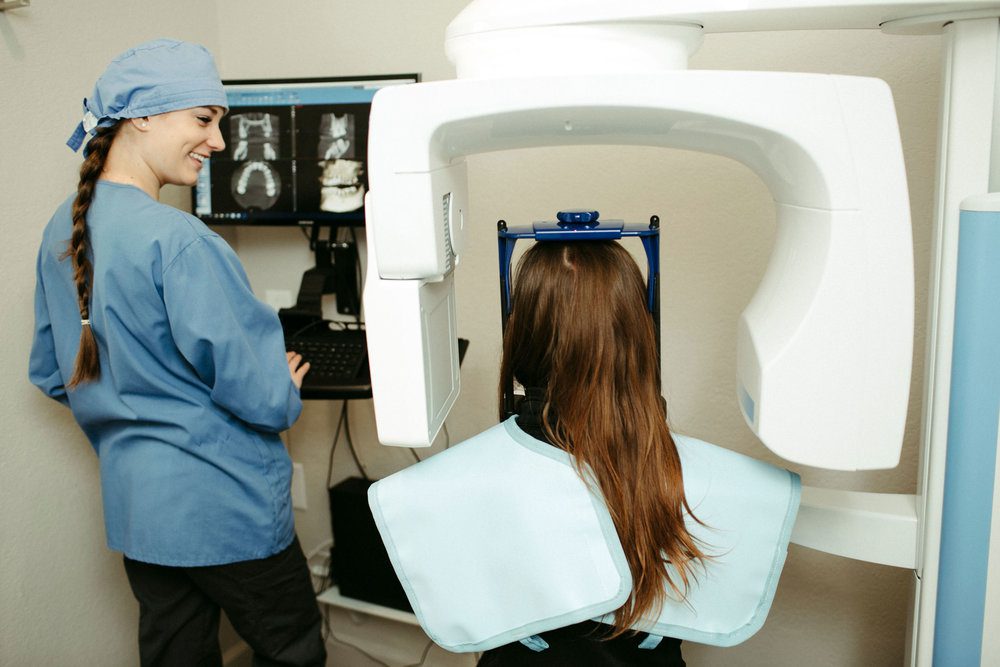
    The incredible success rate of All-on-4 dental implants isn’t magic; it’s the result of meticulous planning powered by advanced technology. The key to this precision is a Cone Beam Computed Tomography (CBCT) scan.

    Think of a CBCT scan as a 3D digital map of your entire jaw. It provides a crystal-clear, detailed view of your bone structure, nerve pathways, and sinus cavities. This allows your surgical team to perform “virtual surgery” on a computer before they ever make an incision. They can identify the densest areas of bone, plan the exact placement and angle of each implant, and create a custom surgical guide for flawless execution.

    This process is often combined with digital smile design software, which allows you to preview your new smile. This level of virtual planning ensures the procedure is predictable, safe, and tailored to create a result that is both functional and beautiful.
    The All-on-4 Consultation: Designing Your Future Smile

    Your journey to a new smile begins with the consultation. This appointment is much more than a quick exam; it’s a collaborative session where you and your dental team co-design your future smile.

    Here’s what you can expect:

    1. Comprehensive Examination: The team, often including a prosthodontist and an oral surgeon, will review your medical and dental history.
    2. Advanced Imaging: You’ll have a CBCT scan and digital impressions (or traditional molds) taken to create a precise model of your mouth.
    3. Goal Discussion: This is your time to share your goals. What do you want your new smile to look like? What are your biggest frustrations with your current situation?
    4. Treatment Plan Presentation: Based on the exam and your goals, the team will present a personalized treatment plan. They will explain the procedure, timeline, costs, and answer every one of your questions.

    This is a no-pressure conversation focused on empowering you with information. A great team will make you feel heard, comfortable, and confident in the plan.

    The Surgical Day: A Step-by-Step Guide to Getting Your New Teeth

    The day of your All-on-4 surgery is the day your life changes. It’s a highly orchestrated process designed for maximum comfort and efficiency.

    Here is a step-by-step guide to what happens on your surgical day:

    1. Arrival and Sedation: You’ll arrive at the clinic and be made comfortable. YouDent Hospital is used to ensure you are completely relaxed and experience no pain during the procedure.
    2. Preparing the Foundation: If you have any remaining failing teeth, they will be gently extracted.
    3. Implant Placement: Using the surgical guide created from your 3D scans, the surgeon will precisely place the four titanium implants into your jawbone.
    4. Attaching the Prosthesis: Once the implants are secure, a beautiful, custom-crafted temporary bridge of teeth is attached. This prosthesis is lightweight but durable, allowing you to go home with a fully functional and aesthetically pleasing smile.

    The most incredible part of the All-on-4 procedure steps is that you walk out of the clinic with a brand-new smile. The transformative moment of seeing your new teeth for the first time is something patients describe as deeply emotional and life-affirming.

    Rediscovering Life: The Benefits of All-on-4 Implants

    The benefits of All-on-4 dental implants go far beyond just having teeth. It’s about rediscovering a quality of life you may have thought was lost forever.

    Imagine the joy of ordering a steak at a restaurant without a second thought. Picture yourself laughing out loud in a family photo, your smile wide and full of confidence. This is the reality All-on-4 delivers.

    The advantages are both practical and emotional:

    • Immediate Results: You get a full set of functional teeth in just one day.
    • Renewed Confidence: Say goodbye to hiding your smile or feeling self-conscious. Your new teeth will look and feel natural, boosting your self-esteem.
    • Freedom to Eat Anything: With a stable, fixed bridge, your bite force is restored. You can once again enjoy all your favorite foods, from crunchy apples to corn on the cob.
    • No More Denture Hassles: Forget about messy adhesives, slipping plates, and taking your teeth out at night. Your All-on-4 bridge is a permanent part of you.
    • Preserve Your Jawbone: The implants stimulate the jawbone just like natural tooth roots, preventing the bone loss and facial collapse that occurs after losing teeth.

    This treatment isn’t just a dental procedure; it’s an investment in your health, happiness, and overall well-being.

    All-on-4 vs. Other Options: A Clear Comparison

    When considering a full-arch solution, it’s important to understand your options. How does All-on-4 stack up against traditional dentures or other implant solutions?

    Let’s break it down:

    Feature All-on-4 Dental Implants Traditional Full Dentures Snap-On Dentures
    Stability Completely fixed and stable. Does not move. Removable. Prone to slipping and rocking. Removable, but snaps onto 2-4 implants. More stable than dentures but not fixed.
    Bite Force 90-100% of natural bite force restored. 10-20% of natural bite force. Significant diet restrictions. 50-60% of natural bite force. Better than dentures but still limited.
    Comfort Does not cover the roof of the mouth. Feels natural. Covers the palate, affecting taste and speech. Can cause sore spots. Less bulky than full dentures but still removable.
    Maintenance Brush and floss like natural teeth. Regular dental visits. Requires daily removal, cleaning, and adhesives. Must be removed for cleaning. O-rings need periodic replacement.
    Bone Health Preserves jawbone and facial structure. Does not prevent bone loss, leading to facial changes over time. Slows bone loss in implant areas, but bone loss continues elsewhere.
    Timeline Get new teeth on the day of surgery. Involves multiple appointments over weeks or months. Involves implant surgery and a waiting period.

    While options like snap-on dentures offer an improvement over traditional dentures, All-on-4 dental implants are the gold standard for those seeking a truly permanent, no-compromise solution.

    Materials for Your Final Bridge: Acrylic vs. Zirconia

    After your implants have fully fused with your bone (a process called osseointegration), your temporary bridge will be replaced with your final, permanent one. You have two primary material choices:

    1. Nanocomposite Acrylic fused to a Titanium Frame: This is the standard and highly reliable option. The strong, milled titanium bar provides a rigid foundation, while the acrylic teeth and gingiva offer excellent aesthetics. It’s cost-effective and easier to repair if a tooth ever chips.
    2. Full-Arch Zirconia: This is the premium, top-of-the-line choice. Zirconia is an incredibly strong and durable ceramic material that is milled from a solid block. It offers superior aesthetics, is highly resistant to stains and wear, and feels very smooth and natural in the mouth. It is a more significant investment and is harder to repair if it were to fracture.

    Your prosthodontist will discuss the pros and cons of each material to help you choose the best option for your budget and lifestyle.

    The Financial Investment: A Full Cost Breakdown of All-on-4

    Investing in All-on-4 dental implants is an investment in your long-term health and confidence. In India, the cost of All-on-4 dental implants can range significantly based on several factors, but you can generally expect the price for a single arch to be between ₹3,50,000 and ₹7,00,000.

    What influences this price?

    • Clinician’s Expertise: The skill and experience of the surgical and prosthetic team are paramount. Highly trained specialists may have higher fees.
    • Final Bridge Material: A zirconia bridge will be more expensive than an acrylic-titanium bridge.
    • Geographic Location: Costs can vary between major metropolitan areas and smaller cities.
    • Inclusions: The fee is comprehensive and typically includes the consultation, 3D imaging, surgery, sedation, the temporary bridge, the final bridge, and all follow-up appointments.

    Most leading dental clinics offer financing options or work with third-party providers to make the treatment more accessible. Be sure to ask for a detailed breakdown so you understand the full value you are receiving.

    The Recovery Process and Osseointegration Period

    Your recovery after All-on-4 surgery is surprisingly straightforward. While you leave with a new smile, your body needs time to heal.

    • Initial Recovery (1-2 weeks): You can expect some swelling, bruising, and mild discomfort, which is easily managed with medication. You will be on a soft food diet to avoid putting too much pressure on the healing implants.
    • Osseointegration Period (3-6 months): This is the crucial healing phase where your implants fuse directly with your jawbone. It’s vital to follow your dentist’s dietary guidelines during this time (avoiding very hard or chewy foods) to ensure the implants integrate successfully. You can continue to work and live your life normally, just with some minor dietary adjustments.

    Protecting Your Investment: Long-Term Care and Lifespan

    All-on-4 dental implants are designed to last a lifetime, but their longevity depends on your commitment to maintenance. You must care for them as diligently as you would natural teeth.

    Your daily routine should include:

    • Brushing: Gently brush your bridge twice a day with a soft-bristled toothbrush.
    • Water Flossing: A Water Flosser is essential. It is the most effective tool for cleaning underneath your bridge and around the implants to prevent bacteria buildup.
    • Specialized Floss: Your hygienist may also recommend “super floss” or implant-specific floss to clean around the implant posts.

    Just as important are your professional check-ups. You should visit your dental hygienist every 6 months for a professional cleaning and an annual check-up with your dentist to ensure everything is healthy. With proper care, the implants can last a lifetime. The bridge itself is a wearable component and may need maintenance or replacement after 10-15+ years, but good hygiene can significantly extend its lifespan.

    Exploring Alternatives & Advances in Full-Arch Implants

    While the All-on-4 treatment concept is the most well-known and widely performed full-arch solution, it’s good to be aware of other advanced techniques. For patients with severe bone loss in the upper jaw, surgeons may use zygomatic implants. These are extra-long implants that anchor into the cheekbone (zygoma) instead of the jawbone, providing a secure foundation where traditional implants might not be possible.

    Other implant companies, like Straumann, offer their own proven full-arch protocols. Discussing these with your provider can affirm that you are receiving the best possible solution for your specific clinical needs. For most patients, the All-on-4 protocol remains the most efficient and effective choice.

    Potential Risks, Complications, and Success Rates

    No surgical procedure is without risks, and it’s important to have an honest discussion about them. Potential complications with All-on-4, though rare, can include:

    • Implant Failure: An implant fails to integrate with the bone.
    • Peri-implantitis: An infection around the implant, often linked to poor oral hygiene.
    • Prosthetic Issues: Chipping or fracture of the bridge material.

    However, it’s crucial to put these risks into perspective. Clinical studies consistently show that All-on-4 dental implants have a success rate of over 98%. Your risk is minimized by choosing a highly skilled and experienced surgical team and, most importantly, by following all post-operative and long-term care instructions.

    Choosing Your All-on-4 Team: A Patient Checklist

    The single most important factor in the success of your treatment is the team you choose. This is not a commodity service. Look for a team with verifiable expertise.

    Here is a checklist to help you find the right provider:

    • Specialized Training: Does the team include a prosthodontist (a specialist in tooth replacement) and an oral surgeon?
    • Verifiable Experience: Ask this critical question: “How many All-on-4 procedures do you perform each month?” An experienced team does this procedure routinely, not just occasionally.
    • Advanced Technology: Do they use a CBCT scanner and have an in-house lab for creating the prosthesis?
    • Patient Portfolio: Ask to see before-and-after photos of their actual patients.
    • Trust and Comfort: Do you feel comfortable with the team? Do they listen to you and answer your questions clearly?

    Your New Life Awaits

    You have taken the first and most important step by informing yourself about the possibilities of All-on-4 dental implants. This proven, state-of-the-art solution is the most reliable path to a complete smile restoration. A life free from dental pain, hassle, and embarrassment is not a distant dream—it is an achievable reality.

    You deserve to smile with confidence and eat with joy. The next step is to see what’s possible for you. Don’t wait another day to start your journey.

    Book your complimentary, no-obligation All-on-4 consultation today and find out how a new smile can change your life.

    FAQs About – All on 4 Dental Implants

    Implant failure is very rare with proper planning and care. If it does happen, an experienced surgeon can often replace the failed implant. In some cases, a different treatment plan may be considered, but a skilled team will have protocols in place to manage this unlikely event.

    The implants and the bridge are made of artificial materials, so they cannot get cavities. However, you can still get gum disease (peri-implantitis) around the implants if you don’t maintain excellent oral hygiene. This is why daily cleaning and regular professional check-ups are so important.

    Your temporary bridge might feel slightly bulky at first as your mouth adjusts. However, the final bridge, especially a zirconia one, is custom-milled to be sleek, smooth, and feel incredibly natural. Most patients quickly forget it’s even there.

    The initial surgical phase and placement of your temporary bridge happen in one day. You will then have a healing period of 3-6 months. After that, it takes a few appointments over several weeks to fabricate and place your final, permanent bridge. The total time is typically around 4-6 months.

    Table of Contents
  • Multiple Tooth Implant

    Skip to main content
    < All Topics

    Multiple Tooth Implant

    A Guide to Multiple Tooth Implants: Rebuilding Your Smile

    Losing many teeth can be tough. It affects your confidence, the way you eat, speak, and even the shape of your face. Missing teeth also bring oral health problems. If you are facing this, you may be looking for a permanent, safe, and natural solution. Multiple tooth implants are a modern treatment that can rebuild your smile and bring back full function.

    This guide will explain everything you need to know. You’ll learn who is a good candidate, the types of implant options, how the procedure works step by step, how to care for them long-term, and more. Think of this as your complete guide to see how multiple dental implants can improve your health and confidence.

    Understanding the Anatomy: How Do Multiple Implants Work?

    Before diving into the process, it helps to understand the science behind what makes dental implants so successful. A dental implant isn’t just a fake tooth; it’s a sophisticated prosthetic system designed to replicate the entire structure of a natural tooth, from the root up.

    This system has three core components working together:

    1. The Implant (Fixture): This is a small, screw-like post typically made from titanium. A prosthodontist or oral surgeon surgically places the implant directly into the jawbone where the original tooth root used to be. Titanium is a biocompatible material, meaning the body accepts it without issue.
    2. The Abutment: This is a connector piece that is attached to the top of the implant once it has healed. It sits just above the gum line and serves as the foundation for the final tooth restoration.
    3. The Final Restoration: This is the part that looks and functions like a tooth. For multiple tooth implants, the restoration could be a series of individual dental crowns or an implant-supported bridge.

    The real magic behind this technology is a biological process called osseointegration. This is where the living bone cells of the jaw naturally fuse with the titanium implant, creating an incredibly strong and stable foundation. This fusion is what allows an implant to feel and function just like a natural tooth root.

    Are Multiple Implants Right for You?

    While multiple tooth implants are a fantastic solution for many, they aren’t suitable for everyone. A thorough evaluation by a dental professional is essential to determine your candidacy. This ensures the highest chance of long-term success.

    Here are the key factors your dentist will assess:

    • Jawbone Health: The most critical requirement for dental implants is having sufficient jawbone density and volume. If teeth have been missing for a while, the bone may have started to shrink, a process known as atrophy. Your dentist will use advanced imaging, often a Cone Beam Computed Tomography (CBCT Scan), to get a detailed 3D view of your jawbone structure.
    • Gum Health: Your gums must be healthy and free from active periodontal disease. Any infection or inflammation needs to be treated before implant surgery can proceed.
    • Overall Health: Your general medical history is important. Conditions like uncontrolled diabetes or certain autoimmune diseases can affect the healing process. It’s crucial to have these conditions well-managed before starting treatment.
    • Lifestyle Choices: Smoking is a significant risk factor, as it can impair blood flow and hinder the healing process, increasing the risk of implant failure. While not always an absolute disqualifier, your dentist will strongly advise quitting.

    Individual Implants for Non-Adjacent Missing Teeth

    If you have several missing teeth but they are not next to each other, the most common approach is replacing each one with an individual dental implant. This is a straightforward, one-for-one replacement strategy.

    For each missing tooth, a single implant is placed in the jawbone. After the healing period, an abutment and a custom-made crown are attached. This method perfectly mimics the anatomy of natural teeth.

    The primary benefit of this approach is hygiene. Because each tooth is separate, you can brush and floss around them just as you would with your natural teeth, making them easier to keep clean and promoting better long-term gum health.

    The Implant-Supported Bridge for Adjacent Missing Teeth

    What if you have three, four, or even more missing teeth all in a row? Placing an individual implant for each one might not be necessary or cost-effective. In these cases, an implant-supported bridge is an excellent and highly efficient solution.

    Here’s how it works: instead of replacing every tooth with an implant, your surgeon places two or more implants to serve as anchors. For example, to replace three missing teeth, implants might be placed in the positions of the first and third missing teeth. After these implants have integrated with the bone, a custom-made dental bridge is created. This bridge consists of three prosthetic teeth (pontics) fused together, and it is permanently secured to the two implants.

    This method offers several advantages:

    • Fewer Implants: It reduces the number of surgeries and implants needed, which can lower the overall cost.
    • Excellent Stability: The bridge is anchored directly to the jawbone via the implants, providing outstanding strength and stability.
    • Bone Preservation: The implants continue to stimulate the jawbone, preventing the bone loss that would otherwise occur.

    The Initial Consultation: Your Personalized Treatment Blueprint

    The most critical step in your journey toward multiple tooth implants is the initial consultation. This appointment is much more than a quick chat; it’s a comprehensive diagnostic session where your personalized treatment plan is created.

    You can expect the following:

    1. Comprehensive Oral Exam: Your dentist will thoroughly inspect your remaining teeth, gums, and overall oral health.
    2. Medical History Review: A detailed discussion of your general health, medications, and any conditions that could impact the treatment.
    3. Advanced 3D Imaging: A CBCT scan will be taken to provide a precise map of your jawbone, nerve pathways, and sinus cavities.
    4. Discussion of Goals: This is your chance to talk about your expectations, concerns, and desired outcome.
    5. Treatment Plan Presentation: Based on all the information gathered, your dentist will present your options, whether that’s individual implants, an implant-supported bridge, or a combination. The plan will include the timeline, steps involved, and a detailed cost estimate.

    Essential Preparatory Procedures for Implant Success

    Sometimes, a patient’s mouth isn’t immediately ready for implants. To create a healthy and stable foundation, certain preparatory procedures may be required.

    • Bone Grafting: If the CBCT scan reveals insufficient bone volume, a bone grafting procedure may be necessary. This involves adding bone material (either from your own body, a donor source, or a synthetic material) to the deficient area to rebuild its height and width. This ensures the implant will have plenty of solid bone to fuse with.
    • Sinus Lift: For implants in the upper back jaw, the maxillary sinus cavity can sometimes be too close to the implant site. A sinus lift (or sinus augmentation) is a procedure where the sinus membrane is gently lifted and bone graft material is placed underneath it. This creates the necessary bone height for secure implant placement.
    • Tooth Extractions: Any failing or decayed teeth in the treatment area will need to be extracted before implant placement.

    The Implant Placement Surgery: A Step-by-Step Walkthrough

    The idea of surgery can be intimidating, but the implant placement procedure is a well-planned and often surprisingly quick process.

    On the day of your surgery, you can expect the following:

    1. Anesthesia: The area will be completely numbed using local anesthesia. For patients with dental anxiety, sedation dentistry options are available to help you relax.
    2. Precision Placement: Your surgeon will make a small incision in the gum tissue to access the bone. Often, a surgical guide, created from your 3D scans, is used to ensure the implant is placed at the exact angle and depth for optimal results.
    3. Implant Insertion: A space is gently prepared in the bone, and the titanium implant is carefully inserted.
    4. Suturing: The gum tissue is then closed over the implant with small sutures.

    Pain management is a key priority, and most patients report feeling only minor discomfort after the procedure, which can be easily managed with over-the-counter pain relievers.

    The Healing Phase: Osseointegration and Temporary Restorations

    After surgery, the most important biological process begins: osseointegration. Over the next 3 to 6 months, your jawbone will grow around and fuse with the titanium implants. This healing period is crucial for creating the stable foundation needed for your new teeth.

    During this time, you won’t be left with a gap in your smile. Your dentist will provide a temporary prosthesis, such as a removable partial denture (flipper) or a temporary bridge, so you can eat and smile with confidence while your implants heal.

    The Final Restoration: Crafting and Placing Your New Teeth

    Once osseointegration is complete, you’re ready for the final, exciting phase of the treatment.

    This involves:

    1. Abutment Placement: A minor procedure is performed to expose the tops of the implants and attach the abutments.
    2. Impressions: Your dentist will take highly accurate impressions of your mouth, either with traditional molds or a modern digital impressions scanner. These impressions are sent to a dental laboratory.
    3. Custom Fabrication: The lab uses these models to meticulously craft your final restoration—either individual crowns or an implant-supported bridge—ensuring the color, shape, and size perfectly match your natural teeth.
    4. Final Seating: At your final appointment, the dentist will place the restoration, check your bite alignment, and make any tiny adjustments needed for a perfect fit before permanently securing it in place.

    Top 7 Benefits of Multiple Implants Over Other Options

    Why choose multiple tooth implants over more traditional options like dentures or tooth-supported bridges? The advantages are significant.

    1. Preserves Jawbone & Facial Structure: Implants stimulate the jawbone, preventing the bone loss that gives the face a sunken, aged look.
    2. Doesn’t Damage Adjacent Natural Teeth: A traditional bridge requires grinding down healthy adjacent teeth to act as supports. Implants are self-supporting.
    3. Unrivaled Stability and Bite Force: Because they are fused to your bone, implants restore near-natural chewing power.
    4. Lifelong Durability: With proper care, dental implants are designed to last a lifetime.
    5. Natural Look, Feel, and Function: They are the closest possible replacement for natural teeth.
    6. Easy Maintenance: You care for them just as you would your natural teeth.
    7. High Success Rate: Dental implant treatment has a proven success rate of over 95%.

    Recovery and Long-Term Maintenance for Lifelong Success

    Caring for your multiple dental implants is key to their longevity. Your aftercare can be divided into two phases.

    Short-Term Recovery

    Immediately after surgery, follow your dentist’s instructions carefully. This will include managing minor swelling with ice packs, eating a soft food diet for a few days, and keeping the surgical area clean as directed.

    Long-Term Maintenance

    Your implants are not “maintenance-free.” To prevent complications like peri-implantitis (an infection around the implant), you must commit to an excellent oral hygiene routine.

    • Brushing: Brush twice daily with a soft-bristled toothbrush.
    • Flossing: Daily flossing is critical. For implant-supported bridges or hard-to-reach areas, tools like a Water Flosser or floss threaders are essential.
    • Professional Cleanings: Visit your dental hygienist for regular check-ups and professional cleanings, typically every six months.

    A Transparent Look at the Cost of Multiple Tooth Implants

    The cost of multiple tooth implants is a significant investment, but it’s important to view it as a long-term investment in your health and quality of life. The total price varies widely based on several factors:

    • The number of implants needed.
    • The type of final restoration (individual crowns vs. a bridge).
    • The need for preparatory procedures like bone grafts or sinus lifts.
    • The fees of the specialist (oral surgeon or prosthodontist).
    • The geographic location of the practice.

    Cost of Multiple Tooth Implants in India

    In India, the cost can be more affordable than in many Western countries. The price for a single dental implant can range from ₹25,000 to ₹50,000 or more, depending on the brand of the implant and the clinic. Therefore, the cost for multiple tooth implants could range anywhere from ₹75,000 to ₹2,00,000 and upwards. An implant-supported bridge may start from ₹1,00,000. It’s essential to get a detailed treatment plan and quote from a reputable clinic.

    Many dental offices offer financing plans through third-party providers like CareCredit to help make the cost more manageable. Dental insurance may cover a portion of the final restoration (the crowns or bridge), but often does not cover the surgical placement of the implants themselves.

    Potential Risks and How to Choose a Qualified Specialist

    While implant surgery has a very high success rate, no medical procedure is without risk. Potential but uncommon complications include infection, nerve irritation, sinus issues, or implant failure (failure to osseointegrate).

    The single most important step you can take to minimize these risks is to choose a highly qualified and experienced specialist. Look for a board-certified surgeon—either an oral surgeon or a prosthodontist—who has extensive training and a proven track record in implant dentistry.

    When you go for a consultation, ask questions like:

    • How many implant procedures have you performed?
    • What is your success rate?
    • Can I see before-and-after photos of cases similar to mine?

    Comparing Alternatives: Implants vs. Bridges vs. Partial Dentures

    How do multiple tooth implants stack up against other options?

    • Tooth-Supported Bridge: This can replace a row of teeth but requires permanently altering healthy adjacent teeth. It also does nothing to stop bone loss beneath the bridge.
    • Removable Partial Denture: This is the least expensive option but is often uncomfortable, unstable, and can accelerate bone loss. It needs to be removed for cleaning and can make speaking and eating difficult.

    In every key metric—bone health, longevity, comfort, function, and aesthetics—implants are the superior choice.

    Conclusion: An Investment in Your Health and Confidence

    Choosing to get multiple tooth implants is more than just a cosmetic decision; it is a transformative investment in your overall health, function, and self-esteem. They provide a permanent, comfortable, and beautiful solution to tooth loss, allowing you to eat, speak, and smile with renewed confidence. By restoring the natural structure of your teeth, you are protecting your jawbone, preserving your facial features, and reclaiming a quality of life you may have thought was lost.

    If you are ready to take the next step on your journey to a complete and confident smile, the best course of action is to schedule a consultation with a dental implant expert. They can provide a personalized assessment and guide you toward the best solution for your unique needs.

    FAQs About Multiple Tooth Implants

    Most patients report feeling very little pain during the procedure itself due to effective local anesthesia and available sedation options. Post-operative discomfort is typically mild and can be compared to that of a tooth extraction, easily managed with over-the-counter pain medication for a few days.

    While the initial investment is higher than other options, most patients find that multiple tooth implants are worth it. Their longevity, comfort, function, and positive impact on oral health and quality of life provide unparalleled long-term value compared to bridges or dentures that may need frequent adjustments or replacements.

    With proper care and regular dental check-ups, the titanium implants themselves can last a lifetime. The final restorations (crowns or bridges) may need to be replaced after 10 to 15 years due to normal wear and tear, similar to natural teeth.

    While “teeth-in-a-day” concepts exist, they are specific to full-arch restorations (like All-on-4). For replacing several teeth in different areas, the process is usually staged to ensure proper healing and the highest success rate. A temporary restoration will be provided so you don’t go without teeth.

    The full timeline, from initial consultation to final restoration, typically ranges from 5 to 8 months. This includes the crucial 3-6 month healing period for osseointegration. If preparatory procedures like bone grafting are needed, the process may take longer.

    Table of Contents
  • Single Tooth Implants

    Skip to main content
    < All Topics

    Single Tooth Implants

    A Complete Guide to Single Tooth Implants

    Losing a single tooth can feel like a big deal. It affects not just your smile, but also how you eat and speak. The gap left behind can even cause other teeth to shift, leading to more complex dental issues down the road. For years, the go-to solutions were dental bridges or partial dentures. While effective, they often come with compromises. Today, there’s a solution that stands out as the gold standard for tooth replacement: the single tooth implant.

    This guide will walk you through everything you need to know about this remarkable dental solution. We’ll explore what they are, the incredible benefits they offer, and what you can expect from the procedure. By the end, you’ll understand why a single dental implant is more than just a replacement tooth—it’s an investment in your long-term oral health and confidence.

    What Exactly Is a Single Tooth Implant?

    A single tooth implant is a modern, permanent solution designed to replace one missing tooth. Unlike other options that sit on the gums or rely on neighboring teeth for support, an implant is surgically placed directly into your jawbone. It’s designed to function just like a natural tooth root, providing a strong and stable foundation for a replacement tooth.

    Think of it as a three-part system working together in perfect harmony.

    The Implant Post

    This is a small, screw-like post, typically made from biocompatible titanium. This material is amazing because the human body accepts it, allowing a process called osseointegration to occur. This is where your jawbone naturally fuses with the implant, creating an incredibly strong and durable bond. This fusion is the magic that makes implants so successful.

    The Abutment

    Once the implant has fully healed and fused with the bone, a small connector piece called an abutment is attached. The abutment sits just above the gum line and acts as the linking piece between the implant post and your new tooth.

    The Crown

    The final piece of the puzzle is the dental crown. This is the part that looks and feels like a natural tooth. It is custom-made to match the color, shape, and size of your surrounding teeth, ensuring a seamless and natural-looking smile. The crown is securely attached to the abutment, completing your restoration.

    Together, these three components create a single tooth replacement that is virtually indistinguishable from a natural tooth.

    Why Choose a Single Tooth Implant? The Unmatched Benefits

    When you’re faced with replacing a missing tooth, you have a few options. However, a single tooth implant offers a range of benefits that other treatments simply can’t match. This isn’t just about filling a gap; it’s about restoring your smile, function, and health.

    1. Protects Your Jawbone and Facial Structure

    When you lose a tooth, the jawbone in that area no longer receives the stimulation it needs from chewing. Over time, this leads to bone loss, or resorption. This can weaken the jaw and even change the shape of your face, leading to a sunken appearance. A single dental implant acts like a natural tooth root, stimulating the bone and preventing this deterioration. It’s the only tooth replacement option that actively preserves your jawbone.

    2. Keeps Adjacent Teeth Healthy

    A traditional dental bridge requires the dentist to grind down the healthy teeth on either side of the gap to support the bridge. This permanently alters healthy tooth structure, making them more vulnerable to future decay and problems. A single tooth implant is a standalone solution. It doesn’t rely on or damage your other teeth, preserving their natural strength and integrity.

    3. Looks and Feels Completely Natural

    Because the implant is anchored in your jaw, it feels incredibly stable and secure. You can eat your favorite foods, speak clearly, and smile with total confidence. The custom-made crown is designed to blend perfectly with your natural teeth, so no one will ever know you have an implant. It just looks like your own healthy tooth.

    4. A Durable, Long-Term Solution

    Dental bridges and dentures typically need to be replaced every 5 to 15 years. With proper care, a single tooth implant can last a lifetime. The implant post itself is permanent, and while the crown may eventually need replacement due to normal wear and tear, the foundation is built to last. This makes it a highly cost-effective solution over the long run.

    5. Easy to Care For

    Caring for a single tooth implant is just as easy as caring for your natural teeth. There are no special cleaning routines, messy adhesives, or removal for soaking. You simply brush and floss as you normally would. Good oral hygiene and regular dental check-ups are all that’s needed to keep your implant and your entire mouth healthy.

    Are You a Good Candidate for a Single Tooth Implant?

    While single tooth implants have a very high success rate (over 95%), they aren’t the right choice for everyone. A successful outcome depends on a few key factors. A thorough evaluation with your dentist or an implant specialist is the first step.

    Here’s what they will look for:

    • Good Overall Health: You should be in good general health. Uncontrolled chronic conditions, such as diabetes or heart disease, may need to be managed before you can safely undergo implant surgery.
    • Sufficient Jawbone Density: You need enough healthy bone in your jaw to support the implant. If you’ve been missing a tooth for a while, you may have experienced some bone loss. In these cases, a bone graft may be needed to build up the area before the implant can be placed.
    • Healthy Gums: Your gums must be free from periodontal (gum) disease. Any active gum infection needs to be treated before proceeding with implant surgery to ensure the implant can heal properly.
    • Commitment to Oral Hygiene: Maintaining excellent oral hygiene is crucial for the long-term success of your implant. You must be willing to commit to regular brushing, flossing, and dental check-ups.
    • Non-Smoker (or Willing to Quit): Smoking significantly impairs the body’s ability to heal and can increase the risk of implant failure. Many dentists will require you to quit smoking before and after the procedure.

    The Single Tooth Implant Procedure: A Step-by-Step Guide

    The journey to getting a single tooth implant is a multi-stage process that typically takes several months. This timeline allows your body to heal properly and ensures the best possible outcome. Here’s a breakdown of what to expect.

    Step 1: The Initial Consultation and Treatment Plan

    Your first visit will involve a comprehensive dental exam. Your dentist will take X-rays and possibly a 3D CBCT scan to assess the health of your jawbone and determine the precise placement for the implant. This is your opportunity to ask questions and discuss your goals. Your dentist will create a personalized treatment plan tailored to your specific needs.

    Step 2: The Implant Placement Surgery

    This is the surgical step where the titanium implant post is placed into your jawbone. The procedure is typically performed under local anesthesia, so you won’t feel any pain. Your dentist or surgeon will make a small incision in your gum to expose the bone, prepare a space for the implant, and then carefully place the implant post. The gum tissue is then stitched closed over the implant.

    Step 3: Osseointegration and Healing

    This is the most critical waiting period. Over the next three to six months, the process of osseointegration will take place. Your jawbone will grow around and fuse with the implant, creating a rock-solid foundation. During this time, you may be given a temporary tooth (like a flipper) to wear for cosmetic purposes.

    Step 4: Placing the Abutment

    Once osseointegration is complete, you’ll return for a minor procedure to place the abutment. Your dentist will make a small incision to expose the implant and attach the abutment. The gum tissue will then be allowed to heal around the abutment for a couple of weeks. In some cases, the abutment can be placed at the same time as the implant.

    Step 5: Crafting and Placing Your New Crown

    After your gums have healed, your dentist will take impressions of your mouth. These impressions are sent to a dental lab where your custom crown will be crafted. The lab technicians will meticulously design the crown to match the shade and shape of your natural teeth. Once the crown is ready, you’ll have your final appointment. Your dentist will check the fit and your bite before permanently securing the crown to the abutment, completing your new smile.

    Cost of Single Tooth Implants in India

    The cost of a single tooth implant can vary significantly based on several factors. In India, the price is generally more affordable than in many Western countries, without compromising on quality.

    On average, the cost for a complete single dental implant in India ranges from ₹25,000 to ₹60,000.

    Here are the key factors that influence the final price:

    • Brand and Type of Implant: Implants from internationally renowned brands (like Nobel Biocare or Straumann) tend to be more expensive than those from Korean or Israeli manufacturers.
    • Dentist’s Expertise: The experience and qualifications of the implantologist or prosthodontist will affect the cost. Highly skilled specialists often charge more for their services.
    • Geographic Location: Costs are typically higher in metropolitan cities like Mumbai, Delhi, and Bengaluru compared to smaller towns.
    • Need for Additional Procedures: If you require a bone graft, sinus lift, or treatment for gum disease before implant placement, these will add to the overall cost.
    • Material of the Crown: The choice between a Porcelain-Fused-to-Metal (PFM) crown and a more aesthetic all-ceramic or Zirconia crown will also impact the price.

    It’s important to get a detailed cost breakdown from your dentist during the consultation. While the upfront investment for a single tooth implant is higher than for a bridge or denture, its longevity and health benefits often make it the most economical choice in the long run.

    Ready to Restore Your Smile?

    Losing a tooth doesn’t have to mean compromising your smile or your health. A single tooth implant is a powerful, permanent solution that restores function, aesthetics, and confidence. By mimicking a natural tooth from root to crown, it offers unparalleled stability and helps preserve your long-term oral health.

    The process is a journey, but the result is a lifetime of confident smiles. If you are tired of hiding a gap in your smile or dealing with the inconvenience of other replacement options, it’s time to explore the possibility of a single dental implant.

    Take the first step towards a complete, healthy smile. Schedule a consultation with an experienced implant dentist to find out if a single tooth implant is the right solution for you. It’s an investment in yourself that will pay dividends for years to come.

    Frequently Asked Questions

    Single tooth implants have an extremely high success rate, generally reported to be above 95%. This success is largely due to the process of osseointegration, where the implant becomes a permanent part of your jaw. Factors that contribute to success include the patient’s overall health, bone density, gum health, and commitment to post-procedure care. Choosing a skilled and experienced implant dentist also plays a crucial role in a successful outcome.

    Caring for a single tooth implant is surprisingly simple and is just like caring for your natural teeth. You should brush twice a day, floss daily (using special floss threaders or a water flosser to clean around the implant), and attend regular dental check-ups and cleanings every six months. Unlike dentures, there’s no need for special adhesives or soaking. Good oral hygiene is the best way to protect your investment and keep your entire mouth healthy.

    With proper care and maintenance, a single tooth implant can last a lifetime. The implant post, which is made of titanium and fuses with your jawbone, is designed to be a permanent fixture. The dental crown attached to it may need to be replaced after 10 to 15 years due to normal wear and tear, similar to a natural tooth’s crown. Excellent oral hygiene and regular dental visits are key to ensuring its longevity.

    The surgery itself is not painful, as it is performed under local anesthesia to completely numb the area. You may experience some discomfort, mild swelling, and bruising for a few days after the procedure, which is normal. This is easily manageable with over-the-counter pain relievers and by following your dentist’s post-operative instructions. Most patients report that the discomfort is less than they anticipated.

    Table of Contents
  • Full Mouth Implants

    Skip to main content
    < All Topics

    Full Mouth Implants

    If you’ve been struggling with missing teeth or uncomfortable dentures, full mouth implants might just be the life-changing solution you’ve been searching for. This comprehensive guide will walk you through everything you need to know about full mouth implants—from what they are to how they work, their benefits, costs, and more.
    By the end of this article, you’ll feel confident about making an informed decision to restore your smile and improve your quality of life.

    What Are Full Mouth Implants?

    Full mouth implants are a permanent solution for replacing all the teeth in your upper or lower jaw—or both. Unlike traditional dentures, which rest on the gums, full mouth implants are secured in place using titanium implants that are surgically inserted into the jawbone. These implants act as artificial tooth roots, providing a stable foundation for a full set of prosthetic teeth.

    This innovative dental solution is ideal for people who have lost most or all of their teeth due to decay, gum disease, or injury. With full mouth implants, you can enjoy a natural-looking smile, improved chewing ability, and long-term oral health benefits.

    Types of Full Mouth Implants

    There are several types of full mouth implants, each designed to meet different needs:

    1. All-on-4 Implants: This method uses four implants to support a full arch of teeth. It’s a cost-effective and minimally invasive option.
    2. All-on-6 Implants: Similar to All-on-4, but with six implants for added stability and support.
    3. Zygomatic Implants: These are used for patients with severe bone loss, as the implants are anchored in the cheekbone (zygoma) instead of the jawbone.

    Your dentist will recommend the best option based on your oral health and bone density.

    Benefits of Full Mouth Implants

    Why choose full mouth implants over other tooth replacement options? Here are some compelling benefits:

    • Durability: With proper care, full mouth implants can last a lifetime.
    • Natural Appearance: The prosthetic teeth are custom-designed to look and feel like natural teeth.
    • Improved Chewing and Speech: Unlike dentures, implants stay firmly in place, allowing you to eat and speak with confidence.
    • Bone Health: Implants stimulate the jawbone, preventing bone loss and maintaining facial structure.
    • Convenience: No need for messy adhesives or frequent adjustments like with dentures.

    Who Is a Candidate for Full Mouth Implants?

    Not everyone is an ideal candidate for full mouth implants, but most people can qualify with the right preparation. Here’s what dentists typically look for:

    • Good Overall Health: You should be healthy enough to undergo minor surgery.
    • Adequate Bone Density: A strong jawbone is essential for supporting the implants. If you have bone loss, a bone graft may be required.
    • Healthy Gums: Gum disease must be treated before implant placement.
    • Commitment to Oral Hygiene: Proper care is crucial for the long-term success of implants.

    If you’re unsure about your eligibility, schedule a consultation with a qualified oral surgeon to discuss your options.

    The Procedure for Full Mouth Implants

    The process of getting full mouth implants typically involves the following steps:

    1. Initial Consultation: Your dentist will evaluate your oral health, take X-rays, and create a treatment plan.
    2. Implant Placement Surgery: Titanium implants are surgically inserted into the jawbone. This procedure is done under local anesthesia or sedation.
    3. Healing Period: Over the next 3-6 months, the implants fuse with the jawbone in a process called osseointegration.
    4. Abutment Placement: Once the implants are secure, small connectors (abutments) are attached to them.
    5. Prosthetic Teeth Placement: A custom-made set of prosthetic teeth is secured to the abutments, completing your new smile.

    Cost of Full Mouth Implants

    The cost of full mouth implants in India is significantly more affordable compared to many other countries, making it a popular destination for dental tourism. On average, the cost ranges between ₹3,00,000 and ₹6,00,000 per arch, depending on factors such as:

    • The type of implants used (e.g., All-on-4, All-on-6, or zygomatic implants).
    • The clinic’s location and reputation.
    • The expertise of the dentist or oral surgeon.
    • Additional procedures like bone grafting or sinus lifts, if required.

    While the upfront cost may seem high, it’s important to consider that full mouth implants are a long-term investment in your oral health and quality of life. Many clinics in India also offer EMI options and dental financing plans to make the procedure more accessible.

    Risks and Complications

    Like any surgical procedure, full mouth implants come with some risks, including:

    • Infection: Proper oral hygiene and post-op care can minimize this risk.
    • Implant Failure: Rare, but can occur if the implant doesn’t integrate with the bone.
    • Nerve Damage: This is extremely rare and usually avoidable with a skilled surgeon.

    Choosing an experienced implant specialist significantly reduces the likelihood of complications.

    Recovery Timeline and Tips

    Recovery from full mouth implant surgery typically takes a few months. Here’s what to expect:

    • First Week: Swelling and discomfort are normal. Stick to a soft diet and follow your dentist’s instructions.
    • 1-3 Months: The implants will gradually fuse with the jawbone. Avoid hard or chewy foods during this time.
    • 3-6 Months: Once healing is complete, your permanent prosthetic teeth will be placed.

    To speed up recovery, maintain good oral hygiene, avoid smoking, and attend all follow-up appointments.

    Aftercare and Maintenance

    Caring for your full mouth implants is similar to caring for natural teeth. Here are some tips:

    • Brush twice a day with a soft-bristle toothbrush.
    • Floss daily to remove plaque and food particles.
    • Use an antibacterial mouthwash to prevent infection.
    • Visit your dentist regularly for check-ups and professional cleanings.

    With proper care, your implants can last a lifetime.

    Alternatives to Full Mouth Implants

    If full mouth implants aren’t right for you, consider these alternatives:

    • Dentures: A removable option that rests on the gums.
    • Dental Bridges: Fixed prosthetics that replace multiple missing teeth.
    • Partial Implants: For patients who only need a few teeth replaced.

    Each option has its pros and cons, so consult your dentist to find the best solution for your needs.

    Common Myths About Full Mouth Implants

    Let’s debunk some common myths about full mouth implants:

    • Myth: Implants are painful.
      Fact: The procedure is done under anesthesia, and most patients report minimal discomfort.
    • Myth: Implants are only for the elderly.
      Fact: Adults of all ages can benefit from implants, as long as they meet the eligibility criteria.
    • Myth: Implants are too expensive.
      Fact: While the upfront cost is high, implants are a long-term investment that can save you money on future dental work.

    How to Choose the Right Dentist

    Choosing the right dentist is crucial for the success of your full mouth implants. Here’s what to look for:

    • Experience: Look for a dentist with extensive experience in implantology.
    • Credentials: Check for certifications from reputable organizations like the American Academy of Implant Dentistry (AAID).
    • Patient Reviews: Read online reviews to gauge patient satisfaction.

    Full mouth implants are a revolutionary solution for restoring your smile and improving your quality of life. With their durability, natural appearance, and long-term benefits, they’re worth the investment. Whether you’re in India or abroad, this procedure offers a permanent fix for missing teeth, giving you the confidence to smile, eat, and speak freely.

    If you’re ready to take the next step, schedule a consultation with a qualified implant specialist today. Your perfect smile is just a few steps away!

    Frequently Asked Questions

    The procedure for full mouth implants is performed under local anesthesia or sedation, so you won’t feel any pain during the surgery. Some discomfort, swelling, or soreness is normal during the recovery period, but this can be managed with prescribed painkillers and following your dentist’s post-operative care instructions.

    Yes! One of the biggest advantages of full mouth implants is that they allow you to eat all your favorite foods without restrictions. Unlike dentures, which can slip or make chewing difficult, implants provide a stable and secure foundation for chewing. You can enjoy everything from crunchy vegetables to chewy meats with confidence.

    If you don’t have enough jawbone to support implants, your dentist may recommend a bone graft or sinus lift to build up the bone. Alternatively, zygomatic implants can be used, which are anchored in the cheekbone instead of the jawbone. These options make it possible for most patients to receive full mouth implants, even with significant bone loss.

    In India, most dental insurance plans do not cover the full cost of implants, as they are considered a cosmetic procedure. However, some plans may cover a portion of the cost, especially if the implants are deemed medically necessary. It’s best to check with your insurance provider for specific details.

    Caring for full mouth implants is similar to caring for natural teeth. Brush twice a day, floss daily, and use an antibacterial mouthwash to keep your implants clean. Regular dental check-ups are essential to monitor the health of your implants and surrounding tissues. Avoid habits like chewing on hard objects or grinding your teeth, as these can damage the prosthetic teeth.

    Full mouth implants are designed to last a lifetime with proper care. The titanium implants themselves are highly durable and resistant to wear. However, the prosthetic teeth (crowns or bridges) may need replacement every 10-15 years due to normal wear and tear. Regular dental check-ups and good oral hygiene are key to maximizing their lifespan.

    Yes, smokers can get full mouth implants, but smoking increases the risk of implant failure. Smoking affects the healing process and can lead to complications like infection or poor osseointegration (the fusion of the implant with the jawbone). Dentists often recommend quitting smoking before and after the procedure to improve success rates.

    The success rate of full mouth implants is very high, typically around 95-98%. Factors like the patient’s overall health, oral hygiene, and the expertise of the dentist play a crucial role in ensuring a successful outcome. Regular follow-ups and proper care can further enhance the longevity of the implants.

    Yes, full mouth implants are considered superior to traditional dentures for several reasons:

    • They are permanently fixed and don’t slip or move.
    • They provide better chewing efficiency and speech clarity.
    • They prevent bone loss by stimulating the jawbone.
    • They look and feel more natural.

    While dentures are more affordable upfront, implants offer better long-term benefits and durability.

    The entire process can take anywhere from 3 to 6 months, depending on your individual case. This includes the initial consultation, implant placement surgery, healing time for osseointegration, and the placement of the final prosthetic teeth. In some cases, immediate load implants (teeth in a day) may be an option, significantly reducing the timeline.

    Table of Contents
  • Subperiosteal Dental Implants

    Skip to main content
    < All Topics

    Subperiosteal Dental Implants

    Step-by-Step Guide Subperiosteal Dental Implants

    If you’ve been told you don’t have enough jawbone for regular dental implants, there’s still a good option for you. Subperiosteal dental implants are made for people who don’t want bone graft surgery or have lost a lot of bone in their jaw. These implants don’t go inside the bone—instead, they rest on top of the jawbone, right under the gums.

    With subperiosteal implants, you can get new teeth that look and work just like real ones, even if your jawbone is thin. The process is gentler, with less surgery, and you’ll be able to eat, speak, and smile confidently again. Read below for a breakdown of how they’re done, their pros and cons, and why this treatment could help you feel happy and healthy.

    What Are Subperiosteal Dental Implants?

    Subperiosteal dental implants sit on top of the jawbone, just below the gum—but not inside the bone like conventional “root” implants. Imagine a strong, lightweight custom metal framework (usually titanium), tailored precisely to the contours of your jaw, with posts sticking through the gums to support your new teeth. This means even for patients with severe bone loss, there is hope—you are no longer excluded just because your jawbone is thin, low, or worn down from years of tooth loss.

    Who Should Consider Subperiosteal Dental Implants?

    • Individuals with insufficient bone density for traditional screw-in implants
    • Those who want to avoid bone grafting—no more painful or drawn-out graft and healing cycles
    • Elderly patients or those with chronic conditions such as osteoporosis, where bone volume can’t be improved
    • People seeking full arch restoration who are unable to undergo complex bone augmentation

    Step-by-Step Process: How Subperiosteal Implants Are Placed

    Let’s make it simple with a real-world workflow:

    1. Comprehensive Evaluation

    A dental surgeon will perform a full exam, including CT scans or digital imaging. This helps them see exactly where your jawbone sits and plan a custom fit.

    2. Custom Metal Framework Design

    Using digital scans, your dentist works with a dental lab to create a framework in titanium or cobalt-chromium—engineered for strength, safety, and biocompatibility.

    3. Treatment Planning

    You’ll get a personalized plan covering everything—the steps, timing, aftercare, anesthesia options, and answers to your questions.

    4. Surgical Placement

    • The dentist numbs your gum with anesthesia (sometimes light sedation).
    • A small incision exposes the jawbone.
    • An impression is taken to ensure framework accuracy.
    • The framework is carefully placed over the bone (not inside it!).
    • Metal posts extend through the gums to anchor your new teeth.
    • Sutures close the gum around the posts.
    • Healing time is typically just a few weeks—much less than bone grafts.

    5. Prosthetic Teeth Placement

    Once the gums heal, the dentist attaches permanent prosthetic teeth—either fixed bridges or removable overdentures—to those sturdy posts. Immediate prosthesis is sometimes possible for aesthetics and function. See what options work best for your anatomy and lifestyle.

    Major Advantages: Why Choose Subperiosteal Dental Implants?

    • No Bone Grafting Required: Get rid of lengthy, expensive bone-building surgeries.
    • Immediate Function: Teeth can often be placed sooner, letting you eat, talk, and smile comfortably.
    • Custom Fit: The metal frame is made just for your jaw, ensuring stability and natural appearance.
    • Comfort and Easy Maintenance: These implants feel comfortable and can be cleaned like natural teeth.
    • Ideal for Full-Mouth or Complex Restorations: Whether it’s a single tooth, partial arch, or full arch, subperiosteal implants are adaptable.

    Key Disadvantages (Honesty Builds Trust)

    • Rarely Used: Modern endosteal implants are the standard—but not everyone qualifies, which is where subperiosteals shine.
    • Possible Gum Issues: Poor design or placement can cause gum irritation or tissue breakdown.
    • Soft Tissue Risks: There’s a higher risk of gum inflammation, so meticulous hygiene is crucial.
    • Customization is Critical: Only expert surgeons with access to digital design should perform this procedure for best outcomes.

    Aftercare & Maintenance Step-by-Step

    1. Gentle Brushing: Use a soft-bristle brush and non-abrasive toothpaste.
    2. Antibacterial Mouthwash: Reduces risk of gum infection.
    3. Routine Dental Visits: See your dentist every 3–6 months for checks and professional cleaning.
    4. Monitor for Redness or Swelling: Early detection of irritation means easier treatment.


    If you’re tired of living with missing teeth, ill-fitting dentures, or being told “you’re not a candidate”—don’t wait. Modern subperiosteal dental implants can restore your bite, smile, and self-esteem without the need for bone grafts or months of painful procedures.

    Schedule a free consultation with a qualified dental surgeon—ask about the benefits, see your options with digital planning, and discuss financing plans so you can get back to living life fully.

    Frequently Asked Questions

    Most patients say it feels comparable to a regular tooth extraction and can be managed with local anesthesia plus mild sedation if needed.

    Subperiosteal implants may cost more because of custom design and lab work. However, skipping bone grafting makes total treatment shorter and less costly overall.

    Absolutely. Subperiosteal is designed exactly for cases where bone is severely lacking.

    Custom frameworks made from titanium or advanced alloys can last decades with proper care. Prosthetic teeth may need updating, similar to regular dental work.

    Yes! Today’s dental technology delivers a natural look.

    Table of Contents