
How Long Do Dental Implants Last? Complete Guide
One of the most common questions patients ask before getting a dental implant is, “How long will my dental implant last?”
The good news is that dental implants are one of the longest-lasting tooth replacement options available today. With proper care, many implants can last 20 years or more, and in many cases, they last a lifetime.
However, the lifespan of a dental implant depends on several factors, including oral hygiene, bone health, lifestyle habits, and regular dental care.
In this guide, we’ll explain what affects implant longevity, how to care for your implant, and what you can do to maximize its lifespan.
What is the Average Lifespan of a Dental Implant?
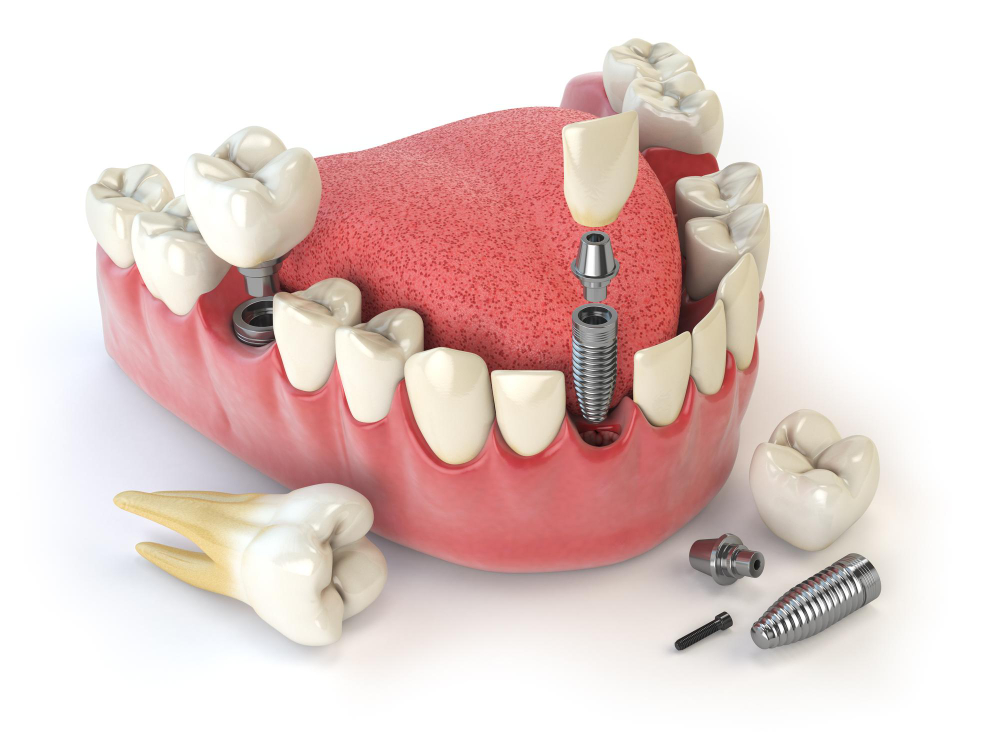
A dental implant has two main components:
Implant Fixture (Titanium Root)
The titanium implant placed in the jawbone is designed to be permanent. In most patients, it can last 20–30 years or even a lifetime.
Dental Crown
The crown attached to the implant experiences daily chewing forces and usually lasts 10–15 years before it may need replacement due to normal wear.
The implant itself often remains healthy even if the crown is replaced.
What Makes Dental Implants Last So Long?
Unlike dentures or bridges, dental implants become part of your jaw through a process called osseointegration.
During healing, the jawbone grows around the titanium implant, creating a strong and stable foundation similar to a natural tooth root.
This unique biological bond is one of the reasons implants have such an excellent long-term success rate.
Factors That Affect Implant Lifespan
Several factors determine how long your dental implant will remain healthy.
1. Oral Hygiene
Poor brushing and flossing can lead to gum inflammation around the implant (peri-implant mucositis), which may progress to peri-implantitis and implant failure.
Brush twice daily and clean around the implant carefully.
2. Dentist’s Experience
Proper diagnosis, treatment planning, and accurate implant placement play a major role in long-term success.
Choosing an experienced implant dentist significantly improves outcomes.
3. Bone Quality
Healthy jawbone provides strong support for the implant.
Patients with severe bone loss may require bone grafting before implant placement.
4. Smoking
Smoking reduces blood supply to the gums and slows healing.
Smokers have a higher risk of implant complications and failure.
Quitting smoking before and after implant surgery greatly improves success rates.
5. Diabetes
Patients with well-controlled diabetes usually have excellent implant outcomes.
Poorly controlled diabetes may delay healing and increase infection risk.
6. Teeth Grinding (Bruxism)
Excessive grinding places additional pressure on implants.
Your dentist may recommend a night guard to protect your implant.
7. Regular Dental Check-ups
Routine professional cleaning and examinations help detect problems early before they become serious.
Success Rate of Dental Implants
Modern dental implants have an excellent success rate.
Studies show:
- 95–98% success rate in healthy individuals
- Even higher long-term success when patients maintain good oral hygiene and attend regular follow-up visits
Signs That Your Implant is Healthy
A successful implant should:
- Feel stable
- Allow comfortable chewing
- Have healthy pink gums
- Be free from pain
- Show no mobility
- Function like a natural tooth
Signs of Possible Implant Problems
Contact your dentist if you notice:
- Persistent pain
- Swollen or bleeding gums
- Loose implant
- Pus around the implant
- Difficulty chewing
- Bad taste or persistent bad breath
Early treatment can often prevent implant failure.
Can Dental Implants Fail?
Although uncommon, implant failure can occur.
Possible reasons include:
- Infection around the implant
- Smoking
- Poor oral hygiene
- Insufficient bone support
- Excessive biting forces
- Uncontrolled diabetes
- Improper implant placement
Fortunately, most complications are preventable with proper care and regular dental visits.
How to Make Your Dental Implant Last Longer
Follow these simple habits:
Brush Twice Daily
Use a soft-bristled toothbrush and fluoride toothpaste.
Floss Every Day
Clean around the implant to remove plaque and food particles.
Visit Your Dentist Every Six Months
Professional examinations and cleanings help maintain implant health.
Avoid Smoking
Smoking significantly increases the risk of implant complications.
Eat a Balanced Diet
Healthy nutrition supports strong gums and bone health.
Protect Against Teeth Grinding
Wear a night guard if recommended.
Foods to Eat After Implant Surgery
During healing, choose soft foods such as:
- Yogurt
- Mashed potatoes
- Soup
- Scrambled eggs
- Smoothies
- Oatmeal
- Rice
- Soft fruits
Avoid very hot, hard, crunchy, or sticky foods until advised by your dentist.
Conclusion
Dental implants are one of the most durable and successful solutions for replacing missing teeth. While the implant itself can often last for decades or even a lifetime, its long-term success depends on good oral hygiene, regular dental visits, and healthy lifestyle choices.
If you are considering dental implants or already have one, following your dentist’s instructions and maintaining proper care will help you enjoy a healthy, confident smile for many years.


Read this blog on your favourite platform
Recent Blog
- मुँह का कैंसर: शुरुआती पहचान, कारण और इलाज — आसान भाषा में पूरी जानकारी
- Tooth Cavity Filling Cost in India: What You’ll Actually Pay in 2026
- Best Dental Clinics in India: List of Top 3 Dental Hospitals 2026
- Single Tooth Implant vs Dental Bridge: Which is Better?
- How Long Do Dental Implants Last? Complete Guide

Dr. Rajesh Gupta
+91 08233792911
youdentindia@gmail.com
Mon – Sat: 09:00 AM - 08:00 PM, Sun - Off
Shop no - 4, Metro Station, New Sanganer Rd, opposite Pillar No. 84, Jaipur, Rajasthan 302019