

How to Choose the Right Dentist in Jaipur: 10 Questions to Ask Before Booking
Choosing the right dentist in Jaipur is one of the most important health decisions you will make — and most patients make it with less research than they would do for a smartphone purchase. A good dentist can prevent decades of future problems, save you lakhs in avoidable procedures, and protect the one set of adult teeth you get. A poorly-matched dentist can set off a chain of corrective work that costs more time and money than the original problem would have.
This guide is based on 25 years of treating patients at YouDent Hospital, Jaipur, and the patterns we see repeatedly in second-opinion cases. These are the 10 questions every patient should ask a Jaipur dentist before committing to major treatment — and the answers that should give you confidence.
Quick Answer: What Makes a Good Dentist in Jaipur?
The right dentist in Jaipur in 2026 is one who holds verified DCI registration, has a clear specialisation matching your problem (BDS for routine care, MDS for complex work), practices at a hygienic facility with modern equipment including in-house CBCT for implant cases, provides a written treatment plan before starting, and offers a warranty on major procedures. Equally important is that you feel comfortable asking questions and getting honest answers about alternatives and risks.
10 Questions to Ask Before Choosing a Dentist in Jaipur
1. Are You Registered with the Dental Council of India (DCI)?
This is the baseline. Every practising dentist in India must hold a DCI registration number which is also listed with the Rajasthan State Dental Council. The number is normally displayed in the clinic or on the dentist’s business card. You can verify online at the DCI website. A dentist who hesitates to share this number is a red flag worth walking away from.

What a good answer looks like: “My DCI registration number is A-xxxx and I renew it on schedule. You can verify it on the DCI website.”
2. What Is Your Qualification — BDS or MDS, and in Which Specialisation?
A BDS (Bachelor of Dental Surgery) is a 5-year undergraduate degree qualifying the dentist to practice all branches of general dentistry. An MDS (Master of Dental Surgery) is an additional 3-year specialisation in one branch — Prosthodontics, Endodontics, Periodontics, Oral Surgery, Orthodontics, Pediatric Dentistry, or Oral Pathology.
Match the qualification to your problem:
- Routine cleaning, filling, extraction: BDS is sufficient
- Root canal (RCT): BDS acceptable; Endodontist (MDS) preferred for molars and retreatments
- Dental implants and crowns: Prosthodontist (MDS) strongly preferred
- Braces and alignment: Orthodontist (MDS) only
- Gum surgery: Periodontist (MDS)
- Jaw surgery, impacted wisdom teeth: Oral Surgeon (MDS)
- Child dental care: Pediatric Dentist (MDS)
3. How Many Years Have You Been Practising, and How Many of This Procedure Have You Done?
Years matter, but volume of specific procedure matters more. A dentist who has placed 500 dental implants is in a different experience bracket from one who has placed 10,000. A surgeon who has handled 50 zygomatic cases will produce different outcomes from one doing their tenth.
What a good answer looks like: “I have been practising for 20 years. I personally place about 15 implants a month, so roughly 3,000 cumulative. For zygomatic cases specifically, I have handled around 150.”
4. Where Did You Receive Training for This Specific Procedure?
Many advanced procedures — immediate implants, All-on-4, zygomatic implants, orthognathic surgery, laser dentistry, digital smile design — require post-graduate training at specific international institutes or with the brand manufacturer (Nobel Biocare, Straumann, Invisalign, 3Shape, etc.). A dentist who has received formal training will say so.
What a good answer looks like: “I completed the All-on-4 training at the Malo Clinic, Portugal, and the Nobel Biocare advanced implant course at Johor Bahru. I also attend an annual refresher at the AO meeting.”
5. Can You Show Me Before-and-After Photos of Your Own Cases Similar to Mine?
A confident dentist keeps a case portfolio. Ask to see before-and-after photos of patients who had a similar problem to yours — same age range, same tooth, same type of restoration. Beware of stock photos. A real case portfolio will have obvious lighting consistency, patient-level detail, and some cases where the result is good but not magazine-perfect (because that is realistic dentistry).
6. Do You Have CBCT and Digital Imaging In-House?
For dental implants, orthognathic surgery, impacted extraction, root canal retreatment of posterior teeth, and precise smile design — CBCT (3D dental imaging) is now the standard of care, not a luxury. A clinic that sends you to an external diagnostic centre for CBCT adds 1 to 2 weeks of delay and makes same-visit planning impossible. Modern dental hospitals in Jaipur have CBCT in-house.
7. What Are Your Sterilisation and Infection-Control Protocols?
A good dentist welcomes this question. The honest answer should mention:
- Autoclave sterilisation with regular cycle logging
- Separate sterile tray for each patient
- Disposable items (gloves, masks, bibs, suction tips) not re-used
- Water line disinfection schedule
- Biological indicator (spore test) frequency
NABH-accredited dental hospitals in Jaipur document all of the above and submit to independent audits. A smaller clinic should at minimum follow these practices even if not formally audited.
8. Will You Give Me a Written Treatment Plan with Costs Before Starting?

The written plan is where good dentists separate themselves from problematic ones. The plan should state:
- Diagnosis in your language
- Proposed treatment sequence with rationale
- Alternatives (even cheaper or simpler ones)
- Risks and realistic outcome expectations
- Itemised cost — not a lump sum
- Payment terms and EMI options
- Warranty and follow-up arrangements
A dentist who gives a verbal quote and says “we will see as we go” is setting up conditions for cost creep. Walk away.
9. What Is the Warranty or Guarantee on This Procedure?
Not every dental procedure comes with a warranty, but major ones should. Ask specifically:
- Implants: Manufacturer warranty (usually lifetime on the implant body) + clinic warranty on placement (usually 1 to 5 years)
- Crowns and bridges: Typically 1 to 5 years depending on material
- Root canal: Not usually warrantied, but clinic should commit to re-treatment free within 6 to 12 months if the same tooth fails
- Braces and orthodontics: Retainer wearing compliance affects this; discuss honestly
- Veneers: 1 to 3 years typical
10. What Happens if Something Goes Wrong?
Complications happen even in the best hands, with the best equipment. The question is not whether complications occur — it is whether the dentist handles them transparently and without additional cost to you. Ask directly: “If this implant fails in year 1, year 3, or year 5 — what do I pay for the replacement?”
A dentist who gives a clear, patient-friendly answer is one you can trust. A dentist who deflects or becomes defensive is telling you how the relationship will feel when things go wrong.
5 Red Flags When Choosing a Dentist in Jaipur

As important as the questions you ask is the behaviour that should make you leave. These are the five red flags we see repeatedly in second-opinion cases:
Pressure to Decide Immediately
“If you commit today I can give you 20 per cent off, otherwise the price goes up next week.” Dental treatment is rarely a now-or-never decision. Discounts tied to immediate commitment are a sales tactic, not a clinical recommendation.
Treatment Quote Changing Mid-Procedure
An honest dentist builds in diagnostic uncertainty before starting. If midway through treatment you are repeatedly told “we found more problems, it will cost ₹X more,” the initial diagnosis was either rushed or deliberately underestimated.
No Written Plan or Vague Diagnosis
“You just need a few things done, don’t worry about the details” — this is not acceptable for any treatment above ₹10,000. Ask for it in writing. If refused, leave.
No X-ray or CBCT Before Major Work
Placing an implant without a CBCT scan in 2026 is below the standard of care. Prescribing root canal without a focused periapical X-ray is unacceptable. Any dentist who proposes major work based on visual inspection alone is not practising at modern standards.
Dismissiveness About Alternatives
A good dentist offers you at least two or three options at different price points and explains the trade-offs. A problematic one pushes only the highest-margin option.
Why Age and Reviews Alone Are Not Enough
Online reviews are a useful data point but can be misleading. Look for patterns, not individual stars:
- Volume of reviews — 10 five-star reviews are less meaningful than 300 four-and-a-half star reviews with varied length
- How negative reviews are handled — the response tells you more than the complaint
- Specific treatment mentions — generic “good doctor” reviews are less valuable than “Dr. X did my All-on-4 and here is what went well and what didn’t”
- Consistency across platforms — Google, Practo, Justdial should match broadly
Similarly, age of the clinic matters but senior patients also need the newest equipment and protocols. A clinic established in 2010 using 2026 equipment is often a better bet than a clinic established in 1985 that has never upgraded.
How to Choose Between Multiple Good Dentists in Jaipur
If you have shortlisted 2 or 3 dentists in Jaipur after the 10 questions above, use these tie-breakers:
- Which one communicates in your language and at your level? Dental care needs understanding over years.
- Which clinic is operationally accessible? For multi-visit treatments, distance and parking matter.
- Which one has after-hours emergency availability? A dental emergency at 10 pm tests this.
- Which one explains the “why” of recommendations, not just the “what”?
- Which one you feel comfortable saying no to? If you cannot refuse a suggestion, the relationship is not equal.
Why Patients Choose YouDent Hospital for Long-Term Dental Care
YouDent Hospital is led by Dr. Rajesh Kumar Gupta — BDS, MDS Prosthodontics, 25+ years of practice, DCI Registration A-6442. Our full panel includes 9 specialist consultants across endodontics, periodontics, oral surgery, orthodontics, prosthodontics and pediatric dentistry. Key credentials:
- NABH Accreditation (Certificate D-2023-0300)
- 1,00,000+ patients treated across India and overseas since 2010
- 1.25 Lakh+ YouTube subscribers — the first dental clinic in Rajasthan to cross this milestone
- In-house CBCT, intra-oral scanner, digital radiography
- Transparent written treatment plans with no post-quote surprises
- National media coverage — OneIndia, major Indian dental publications
- Advanced training credentials — Nobel Biocare All-on-4 certified, zygomatic implant training
Frequently Asked Questions
1. How do I verify a dentist’s qualification in Jaipur?
Every practising dentist in India holds a DCI (Dental Council of India) registration number, also registered with the Rajasthan State Dental Council. Ask the dentist for this number and verify it on the official DCI website. The clinic should display the certificate prominently. Additional qualifications like MDS can be verified on the issuing university’s alumni register.
2. What is the difference between BDS and MDS dentist?
BDS is a 5-year bachelor’s degree in dental surgery qualifying a dentist to practise general dentistry. MDS is an additional 3-year master’s degree specialising in one branch — Prosthodontics, Endodontics, Periodontics, Oral Surgery, Orthodontics, or Pediatric Dentistry. For routine care BDS is sufficient; for complex procedures like dental implants, orthognathic surgery, braces or full-mouth rehabilitation, an MDS specialist is strongly recommended.
3. How many years should a dentist have been practising for implant surgery?
For routine single-tooth implants, a dentist with 5+ years of implant experience and 300+ implant cases placed is a reasonable minimum. For All-on-4, zygomatic implants or full-mouth rehabilitation, look for 10+ years and 1,000+ cases. Ask specifically about the procedure volume, not just general practice years.
4. Should my dentist have CBCT in their clinic in Jaipur?
For routine cleaning, fillings and simple extractions — no. For dental implants, impacted wisdom extraction, orthognathic surgery, and complex root canals — yes, in-house CBCT is now the standard of care in Jaipur in 2026. Clinics that outsource CBCT add 1 to 2 weeks of delay and often cannot perform same-day surgical planning.
5. What is NABH accreditation and should I only visit NABH-accredited dentists in Jaipur?
NABH is the Indian national standard for hospital quality. A NABH-accredited dental facility follows audited protocols for patient safety, infection control and sterilisation. For complex surgery, implant placement, sedation cases and patients with medical conditions, choosing a NABH-accredited dental hospital adds measurable safety. For routine cleaning or a single filling, a non-NABH clinic following good practice is also acceptable.
6. Is it safe to choose the cheapest dentist in Jaipur?
The cheapest dentist is not always the worst dentist, and the most expensive is not always the best. But abnormally low prices for major procedures (dental implants under ₹20,000, full mouth makeover under ₹50,000) usually involve unverified imported products, reused instruments, or cut corners on crowning. Compare three quotes, insist on written treatment plans, and check if the brand and material are specified.
7. How do I check patient reviews of a dentist in Jaipur?
Check Google reviews (most comprehensive), Practo, Justdial and the clinic’s own website testimonials. Look for 200+ reviews with 4.5+ average, varied review length, specific treatment mentions, and professional owner responses to negative reviews. YouDent Hospital has 331+ Google reviews with a 4.8 rating as of November 2026.
8. What should I expect at my first visit to a dentist in Jaipur?
A professional first visit at a dental clinic or hospital in Jaipur should include: medical history review, oral examination, digital X-ray or OPG if needed, written diagnosis, discussion of treatment options with alternatives, itemised cost estimate, and no obligation to commit the same day. Consultation fees range from ₹300 to ₹800 in Jaipur in 2026.
9. Can I get a second opinion before starting major dental treatment?
Yes, and you should. A reputable Jaipur dentist will encourage you to seek a second opinion for any treatment over ₹25,000. Request your CBCT and X-rays on a USB or email and consult another dentist. A good second opinion costs ₹500 to ₹1,000 and can save you from unnecessary procedures or confirm you are on the right path.
10. How often should I visit my dentist in Jaipur?
For healthy adults, a professional cleaning and check-up every 6 months is recommended. Patients with gum disease, orthodontic treatment, dental implants, or systemic conditions like diabetes should visit every 3 to 4 months. Children should start dental visits from age 2 with 6-monthly check-ups.
About the Author
Dr. Rajesh Kumar Gupta (BDS, MDS Prosthodontics) is the founder and chief prosthodontist at YouDent Hospital, Jaipur’s NABH-accredited dental hospital. With 25+ years of practice, he has treated more than 1,00,000 patients and trained over 300 dentists across India in advanced prosthodontic and implant protocols. He is the first dentist in Rajasthan to lead a clinic crossing 1 Lakh YouTube subscribers.
DCI Registration: A-6442
Medical Reviewed: November 15, 2026
Choose a Dentist You Can Trust for a Lifetime of Dental Health
📞 Call: +91-8233792911
📧 Email: info@youdent.in
🏥 Address: Shop no 4, Metro Station, New Sanganer Road, opposite Pillar No. 84, Jaipur, Rajasthan 302019


Read this blog on your favourite platform
Recent Blog
- Dental Implant Cost in Delhi 2026: Complete Price Breakdown + Why Patients Travel to Jaipur for 40% Savings
- How to Choose the Right Dentist in Jaipur: 10 Questions to Ask Before Booking
- Dental Implant Cost in Jaipur 2026: Complete Price Breakdown by Brand
- मुँह का कैंसर: शुरुआती पहचान, कारण और इलाज — आसान भाषा में पूरी जानकारी
- Tooth Cavity Filling Cost in India: What You’ll Actually Pay in 2026
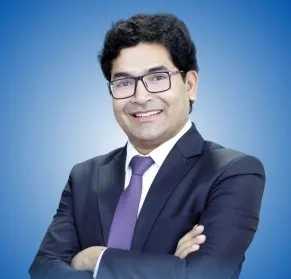
Dr. Rajesh Gupta
+91 08233792911
info@youdent.in
Mon – Sat: 09:00 AM - 08:00 PM, Sun - Off
Shop no - 4, Metro Station, New Sanganer Rd, opposite Pillar No. 84, Jaipur, Rajasthan 302019